Language learning can be a natural process, a hobby, a specific task or a professional duty, depending on a bunch of obstacles. It can also be a necessity as well as a dream but is never a completely accomplished process.
The author of this article is a native speaker of two languages, professionally studied two foreign languages and can understand and/or speak at least six other languages at different levels of proficiency. This very peculiar (and very subjective) experience leads to a somewhat paradoxical answer to the question "Which language is the easiest to learn?"
– Each next.
If you have ever tried to learn a physical exercise or a piece of music to play, you probably remember how tough the first steps were. Your brain had to coordinate theory and practice, control the results, adjust its communication with the body AND remember it all till the following session. Somehow, though, when you start the next exercise, piece of music, or even an instrument, you know a bit more about yourself and how you learn. You are ready to skip certain parts of theory and basic explanations, and even your intuition does not mislead you that often anymore.
Absolutely the same goes for language learning!
- First, you are confused by through, though, tough, thought and their cousin throughout in English or ver, vers, vert and verre in French.
- Later you are amazed at discovering sīpols (Lav), sipuli (Fin), cebolla (Spa), tipula (Eus/Baq), Zwiebel (Ger), цибуля (Ukr) to sound almost the same and to completely share the meaning – onion (Eng);
...or you become careful saying gift as it suddenly appears to denote very different things in English ("a present"), Swedish ("married") and German ("poison");
...or you are glad to discover that what sounds like fool does not always mean something silly – the same combination of sounds in Hindi ( फूल - phūl) means "flower". - Finally, you, a non-native English speaker, are not too late to guess that a suggestion to break the ice does not require anyone to have a trip to the North or an axe at hands.
Whom can we learn from?
Speaking straight to the point, it is up to you if to find a native speaker as a teacher or to ask someone who has already been wearing a language learner’s shoes to share some tips. From a more global perspective, let’s get inspired by the mind-blowing experiences of ...
Linguists, translators and writers
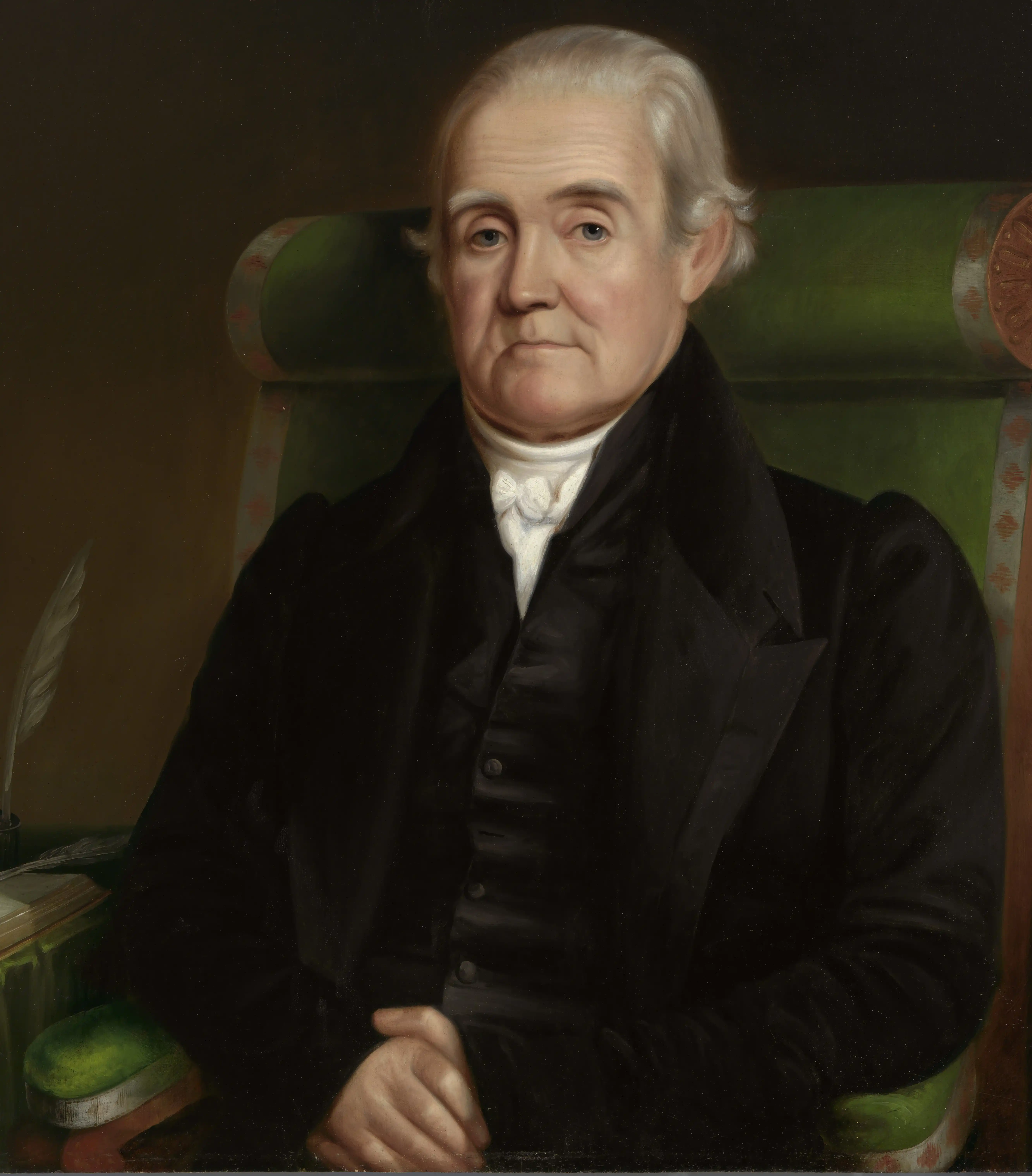
Noah Webster
That very from the Merriam-Webster Dictionary!
Eager to understand exact origin of the words in American English, he learnt to read 26 other languages (Old English, Sanskrit, Hebrew, Aramaic, Greek, Latin, Welsh, Dutch among them).
Image by James Herring - National Portrait Gallery, CC0, Wikimedia Commons

Mykola Lukash
A 5th grade child of a Ukrainian school, he was already fluent in Ukrainian and Russian and studied French, German, and English as part of the school curriculum. An observant pupil, he started learning Japanese by reading a dictionary during school breaks and managed to learn Hebrew from newspapers and …cemetery tombstones.
M.Lukash translated about 3500 literary texts originally written by almost 200 authors, which required high reading proficiency in at least 17 languages.
Image by HROMADSKA ORHANIZATSIIA "INSTYTUT PROSVITY" (Ukr: Громадська організація "Інститут Просвіти") (colorised)
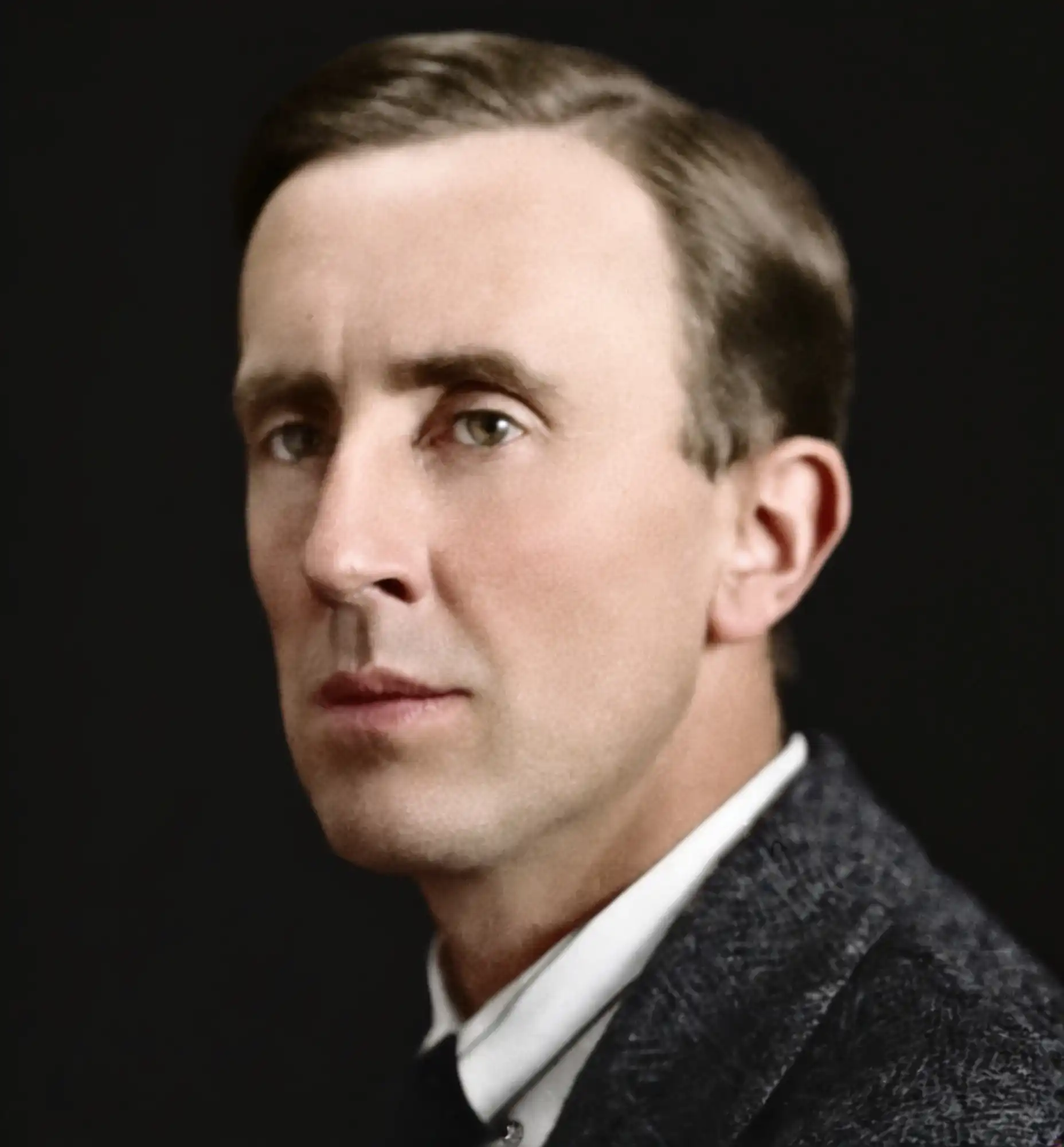
J.R.R.Tolkien
As a linguist, he differentiated between a “cradle tongue” (the one he was taught as a baby) and a “native language” (the one he as an adult recognised from the first glance).
Passionate about Medieval languages, highly proficient in Old and Middle English, Medieval Welsh, Gothic, Old Norse and Old Icelandic, he viewed the West Midlands dialect of Middle English from the 11th-15th centuries as his truly native language.
Image: unknown photo studio commissioned by Tolkien's students 1925/6 (private communication from Catherine McIlwaine, Tolkien Archivist, Bodleian Library), Public Domain, Wikimedia Commons (colorised)
Monarchs and diplomats
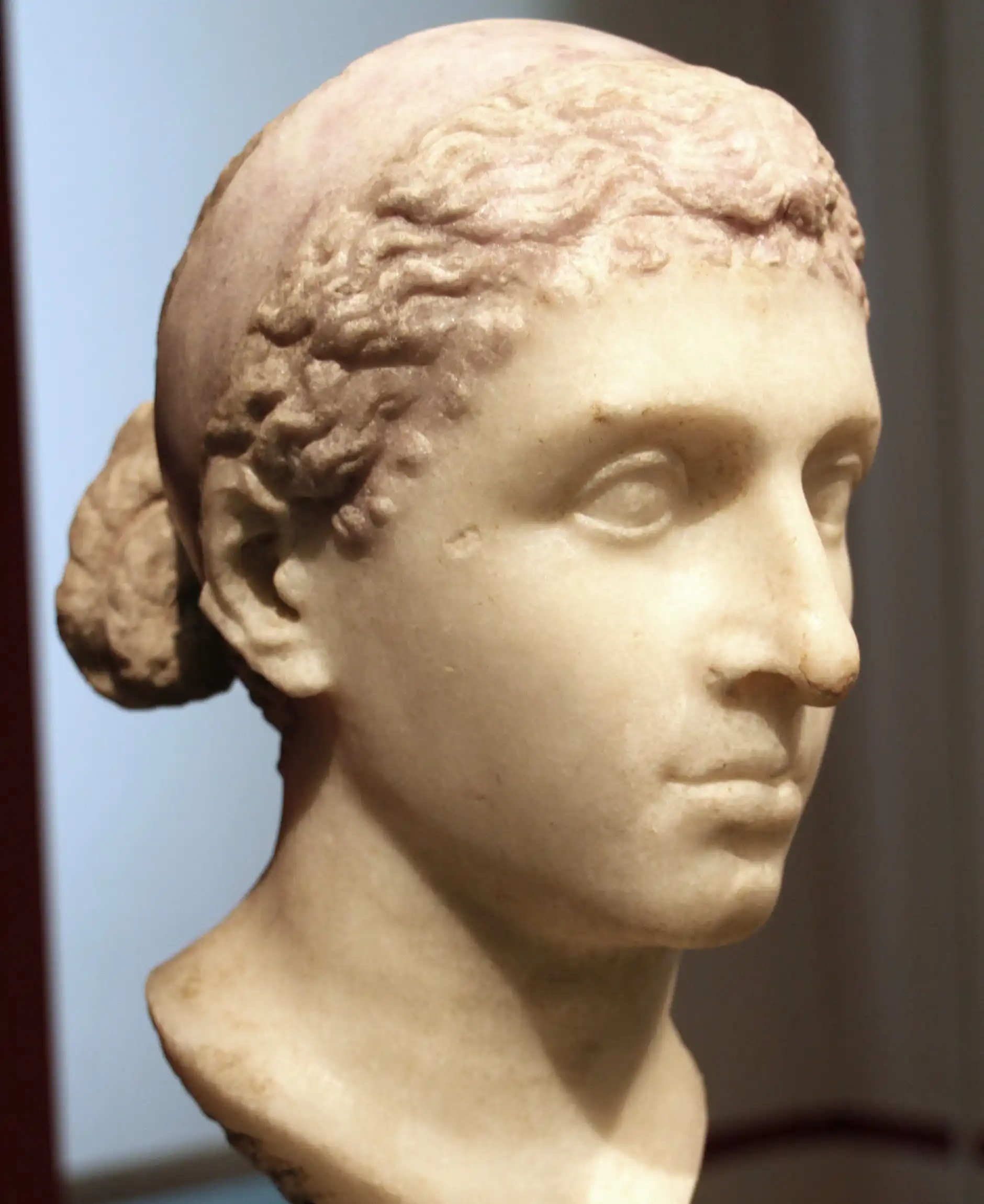
Cleopatra
Queen of Egypt who was Greek by origin could certainly speak Ancient Greek and Ancient Egyptian as her native. She also communicated in Ancient Iranian languages, Arabic and Hebrew. Of course, none of these was marked as “Ancient” at her times, and for the Queen high language proficiency was a need rather than a hobby.
Image by Sailko - Own work, Public Domain, Wikimedia Commons
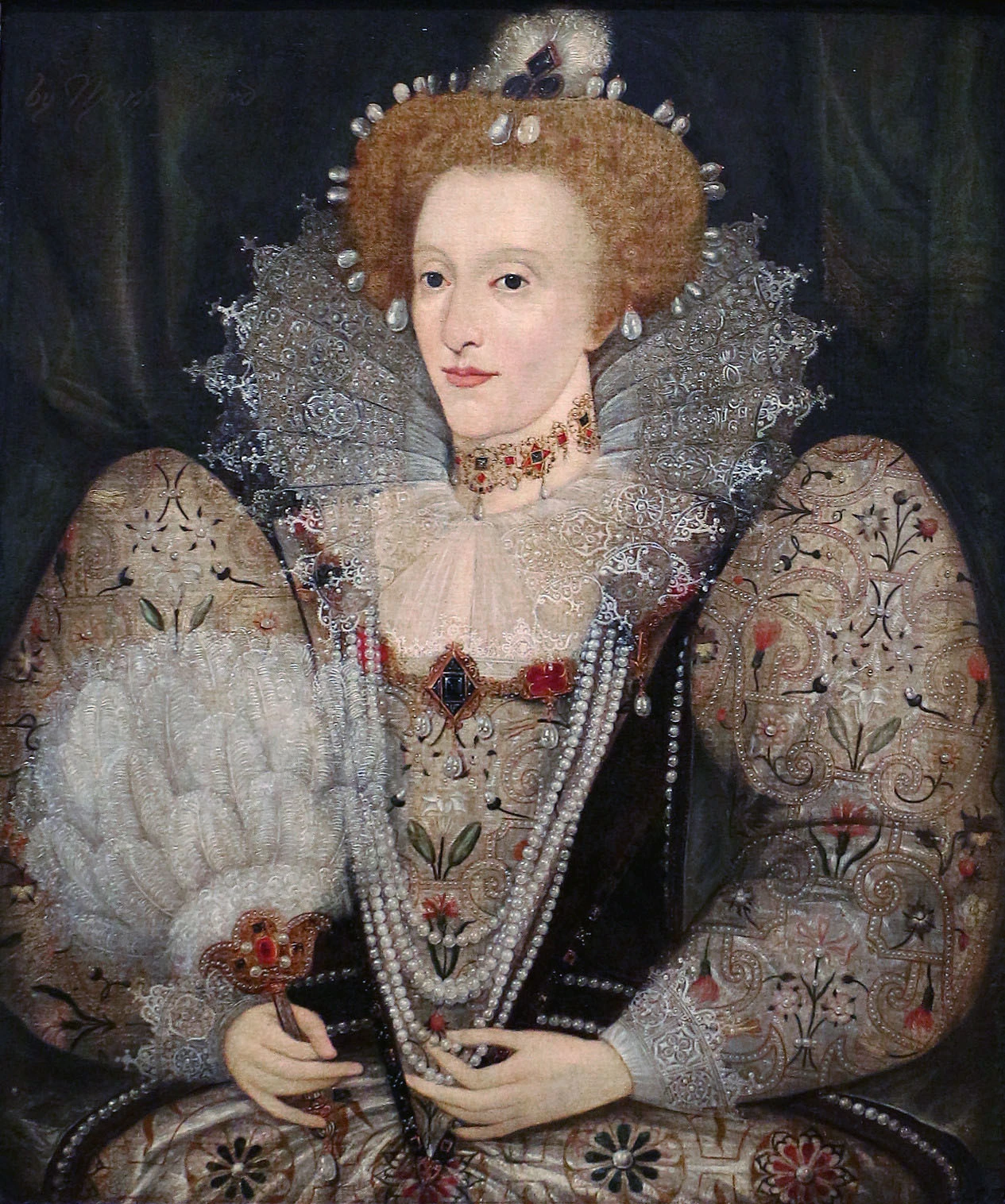
Queen Elizabeth I of England
At the age of 12, the girl presented her father the "Prayers or Meditations" she had translated herself from English into Italian as a New Year’s gift. By that time, she already had writing proficiency in Latin, Greek, French, Spanish and Dutch – not a strict requirement but a wonderful merit for the future queen.
Image by Sailko, Public Domain, Wikimedia Commons
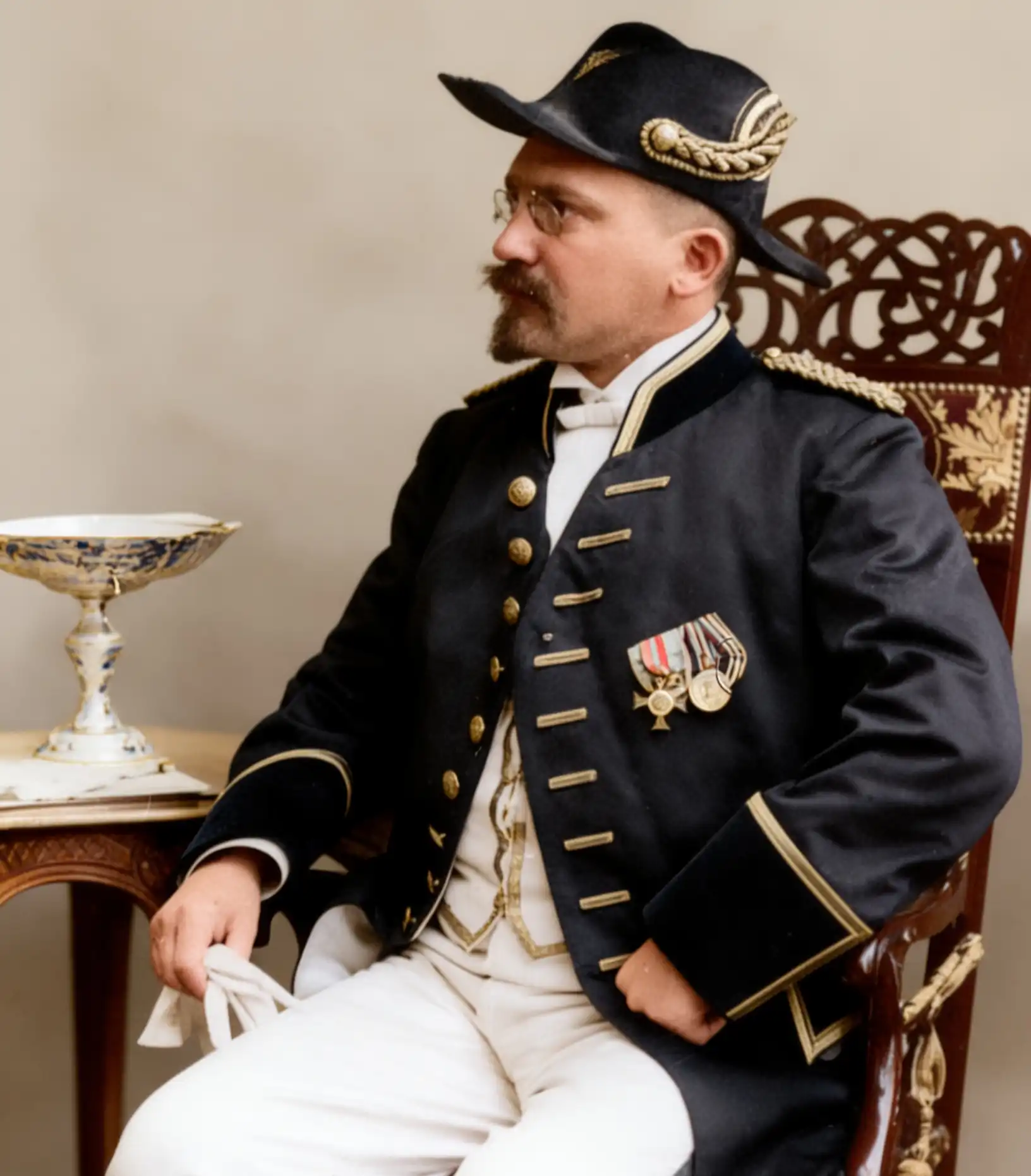
Emil Krebs
The German diplomat spoke 12 languages already at the age of 20, when he entered the University of Breslau. He once chose to study Mandarin Chinese just because it was claimed to be the most difficult, and nailed it in three years to become an interpreter. He passed government tests in Turkish, Japanese, and Finnish, mastered 68 languages and was able to read in about 120 all in all.
Image: Public Domain, Wikimedia Commons (colorised)
Scientists
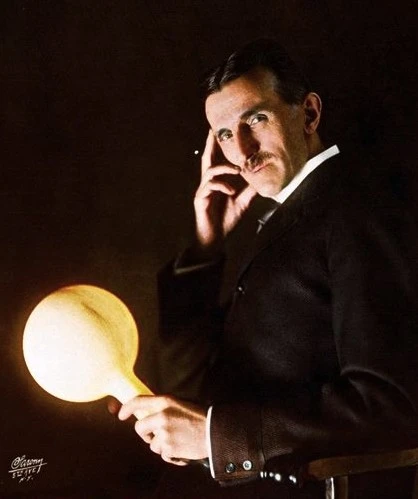
Nikola Tesla
A native speaker of Serbian, he received his education in German and learnt French and English later. Not a language enthusiast (he even skipped his classes in Greek and Czech), Nikola was still a polyglot. The young man who travelled a lot took all his efforts to gain required proficiency where it was necessary to communicate professionally and feel comfortable in a target country.
Image by Napoleon Sarony - Public Domain, Wikimedia Commons (colorised)
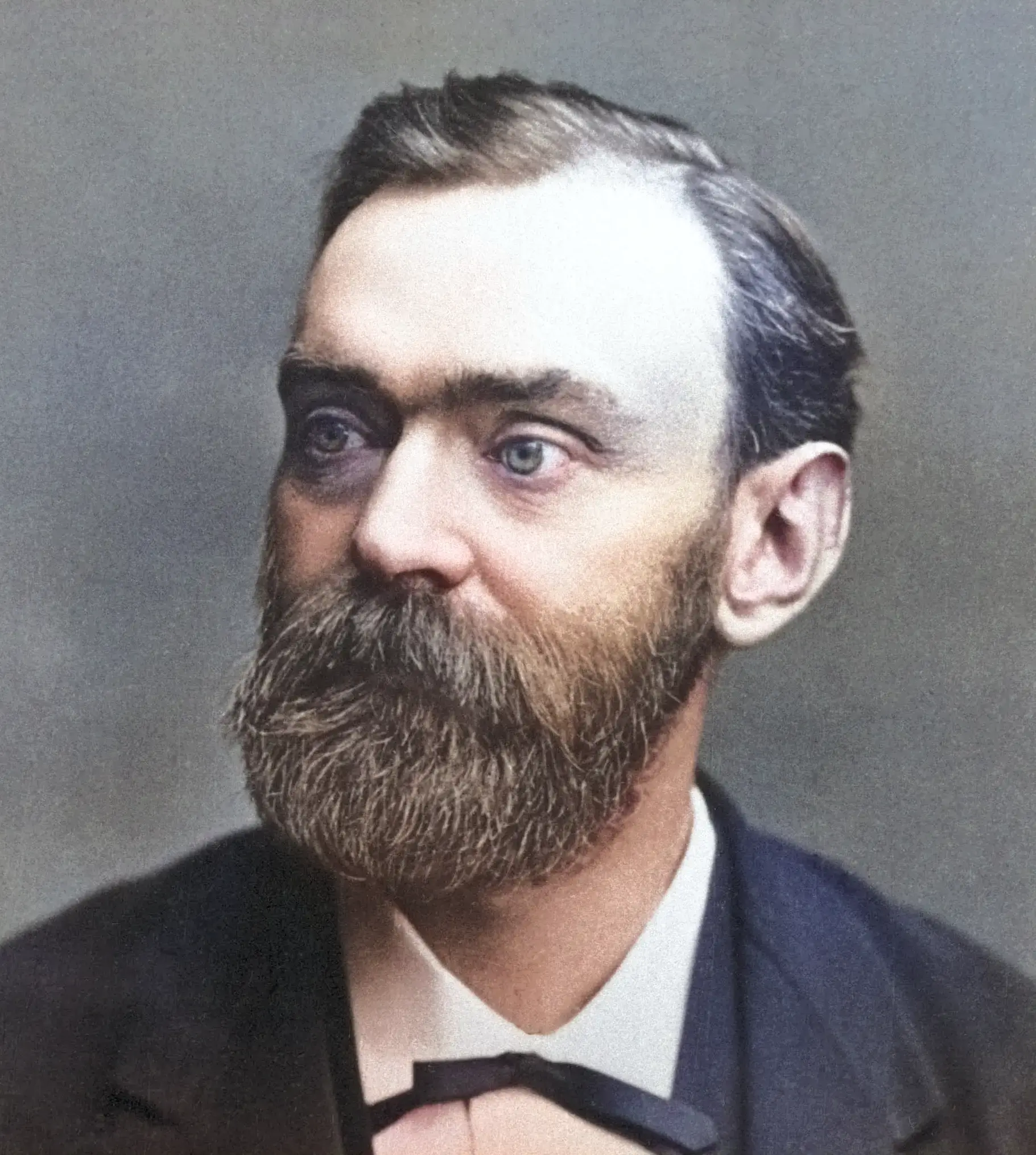
Alfred Nobel
Fluent in English, French, German, and Russian, he was seriously thinking about becoming a writer. His father changed the adolescent’s career plans, and Alfred then significantly improved his skills in spoken Swedish, learnt Italian, and even wrote some poetry in English.
Image by Unknown author - Public Domain, Wikimedia Commons (cropped and colorised)
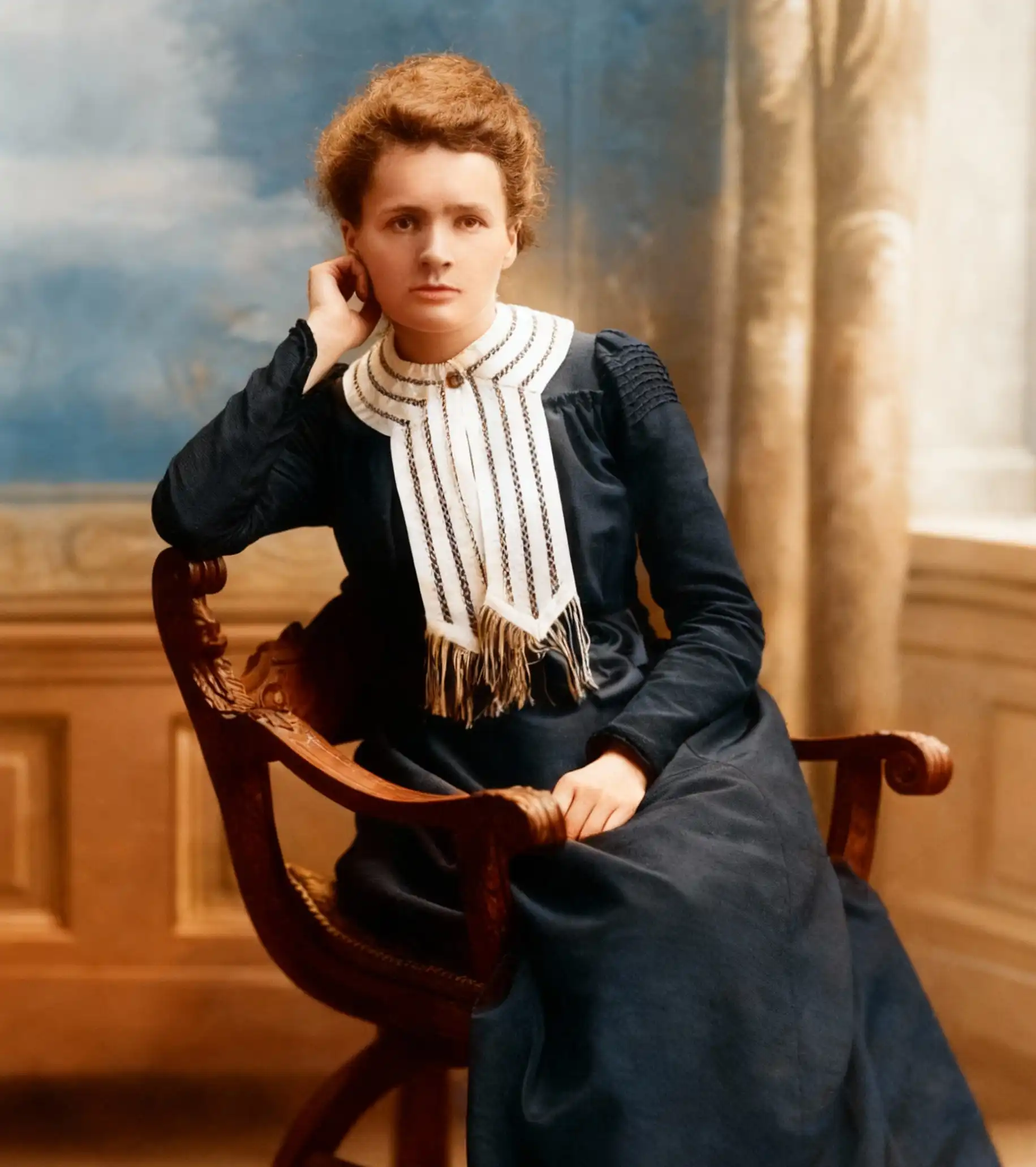
Marie Curie
Bilingual in Polish and Russian since childhood, she was studying French, German and English at school age. These skills resulted very handy when she had to find a job and began to teach languages. French turned into her third native when it became clear there was nothing and nobody waiting for her in Poland anymore – her life as a scientist was completely in France.
Image by Unknown author - Public Domain, Wikimedia Commons (colorised)
…and many, many others who made language acquisition look extremely natural!
Why do then many language teachers say that the process is individual and there is no one and only recipe for all students?
Because they are good teachers. :)
There are many factors which may influence a student’s pace of language acquisition.
What is their native language? What other languages do they speak and how did they learn them? Why do they want to learn a new language? What is their desired level? How much time are they ready to dedicate to studies?
These are some of the main questions, the answers to which would usually frame the choice of methodology, difficulty of tasks, length of sessions and even extra sources recommended to a student.
It’s from difficult to impossible to say which language is the easiest or the hardest to learn in general, but as soon as you start with one, you are guaranteed to be put on an easier track for the second one, especially if they share the script (a, b, c...; а, б, в...; α, β, γ…; ა, ბ, გ; ア バ ウ) or are members of the same family (e.g., Celtic, Romance, Slavic, Hellenic, Kartvelian, Japonic, etc.).
Soooo, what is the easiest language to start with
...for kids?
The "cradle tongue" they grow up with, whichever it is. All specifically acquired languages may be beneficious later but require additional efforts from a learner, so be sure to find the right balance for your child.
...for English speakers?
Probably any Modern Germanic or Romance language (and that’s what Google response is based on when you ask it in English) would be fine if your English is fluent, close to fluent, or you are a native speaker.
If your native language is from a different language family, you can treat English as just another step to learn a language of your choice – you already know how to deal with different language systems.
...for polyglots?
The one you create yourself, just because you can :)
That’s what J.R.R. Tolkien (Elvish languages), George Orwell (Newspeak in 1984), and James Joyce (idioglossia invented to write just one novel, Finnegans Wake) did when they were too excited about the linguistic universe. Playing with languages is 100% legal and fun, so why not?
...for those fond of maths?
Any programming language which starts with mat... and ends with ...lab 😉
...for just anyone?
Whatever language you feel motivated for!
Maybe you need it, maybe you’re just curious about it, maybe you’d like to have a brain teaser for a while. Everything counts as long as it brings you joy or desirable perks!