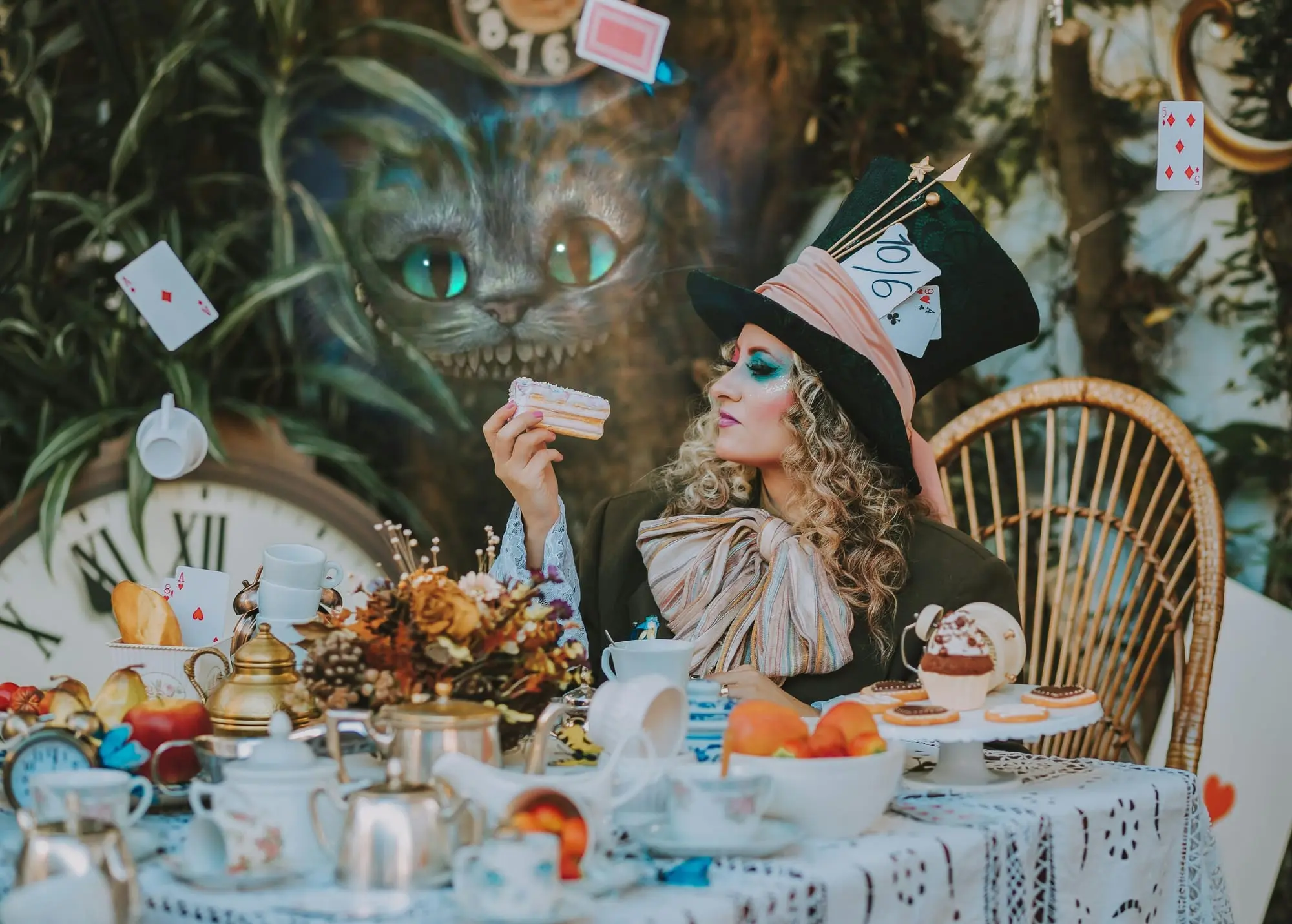
How much can photos tell about the photographer?
Among all creators of the 19th century, Lewis Carroll with about 3000 photos he produced would probably be the one to appreciate the launch of Instagram the most.
If you immediately associate Lewis Carroll with a little girl, a mad rabbit, and a smiling cat but have no idea about the pictures he ever took, there is nothing wrong with you. The case is that Lewis Carroll is a pseudonym he only used for literary works, but when working as a photographer, as well as for when he was spending time as a mathematics lecturer at Christ Church, the University of Oxford, he preferred his real name Charles Lutwidge Dodgson.
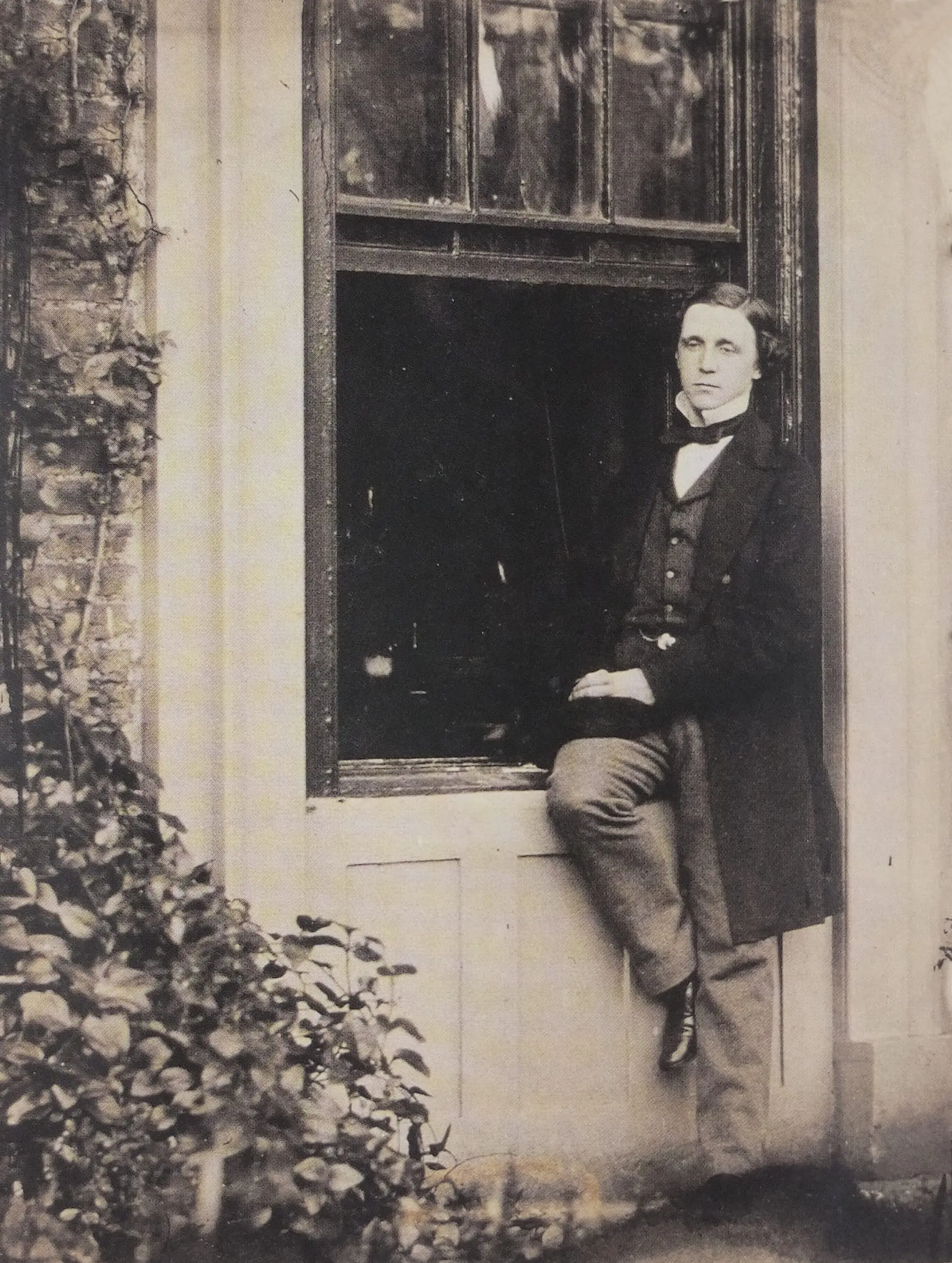
Self-portrait of Charles Dodgson (Lewis Carroll), aged about 26, at Oxford. National Portrait Gallery, London.
C.L. Dodgson was about 24 when he got interested in the art of photography and kept practicing it for the major part of his life. It’s not what made Lewis Carroll famous, but it was an important part of his life which also points out to some curious aspects of the man’s lifestyle.
It all started with the young man feeling tired and bored with his university obligations. He wanted some new activity to try. The choice was on photography, and his uncle bought the very first camera for Charles, which would later lead to a personal studio under the university’s roof.
What's in the mind?
Charles started with portraits but soon he found it more entertaining to shoot "storytelling" scenes. And that was, actually, his direct contribution to the development of photography as art, since its previous application was limited by focusing on real faces rather than creating imaginary worlds.
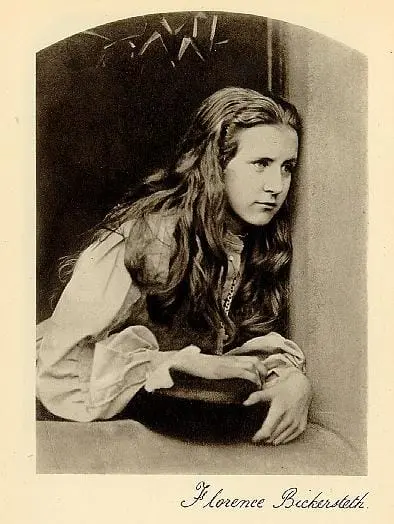
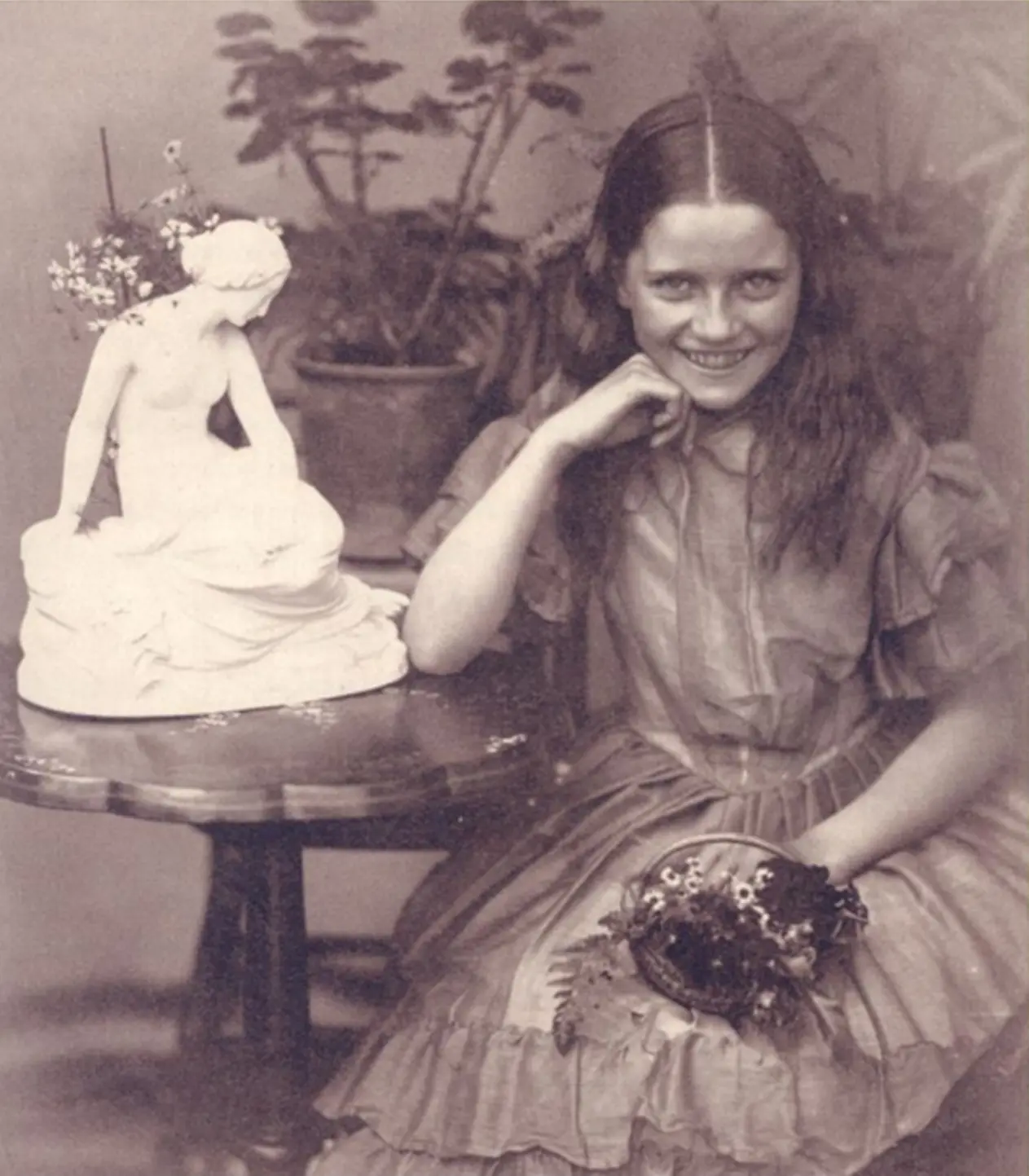
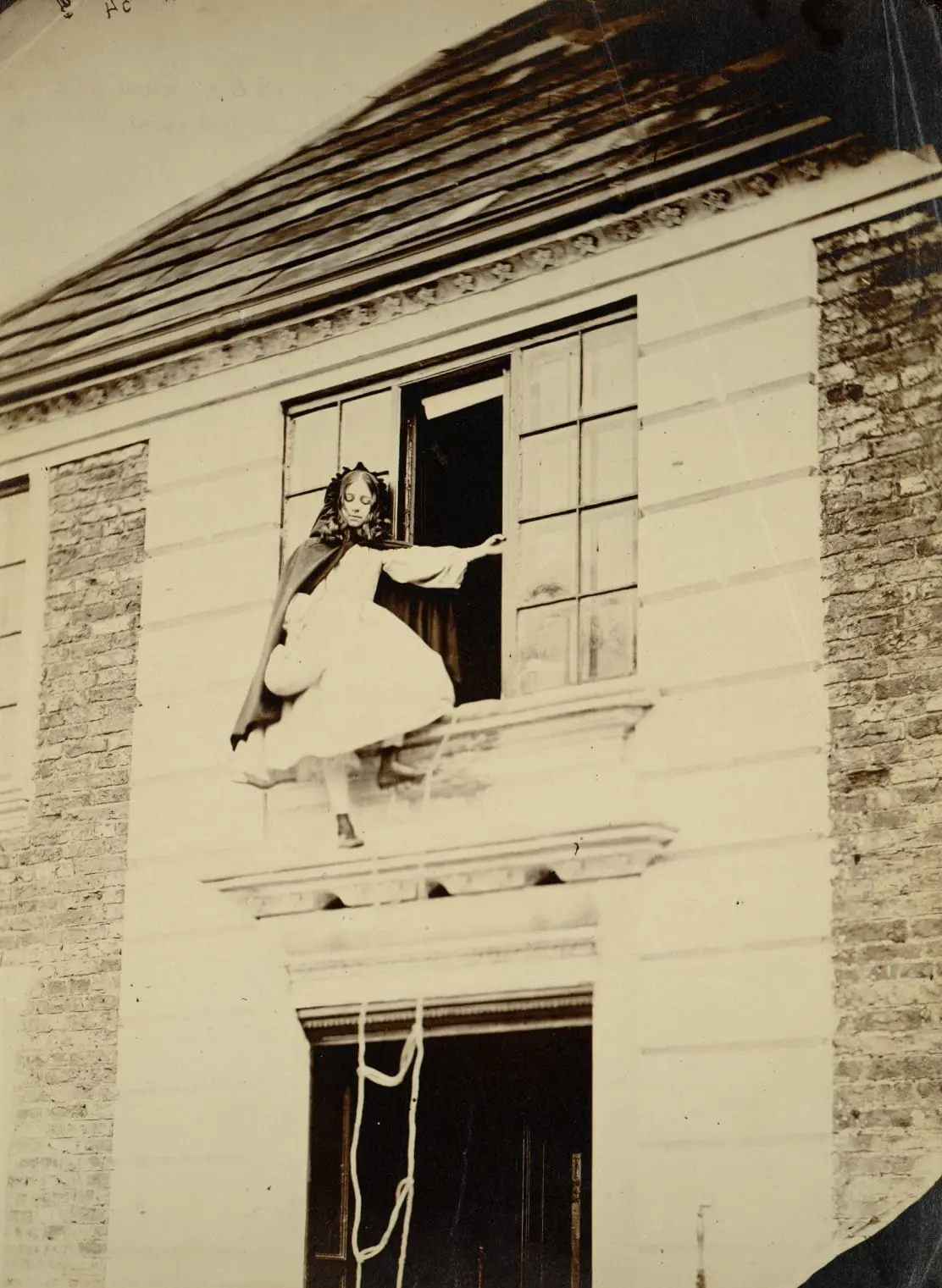
From left to right: Portraits of (1) Florence Bickersteth (1865); (2) Flora Rankin - "No Lessons Today" (1863); (3) Alice Jane Donkin - "The Elopement" (1862)
.jpg)
.png)
.jpg)
From the scenes C.L. Dodgson depicted in his works, it is noticeable that his favourite arrangements included elements of nature, intellectual and artistic activities (e.g., reading, playing chess, theatrical performances, etc.), and everyday life moments, which, of course, were created by asking models to pose for a while, as instant photos were only a dream yet.
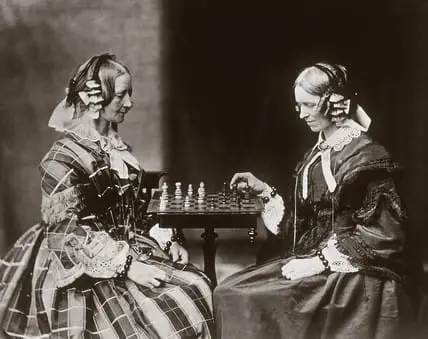
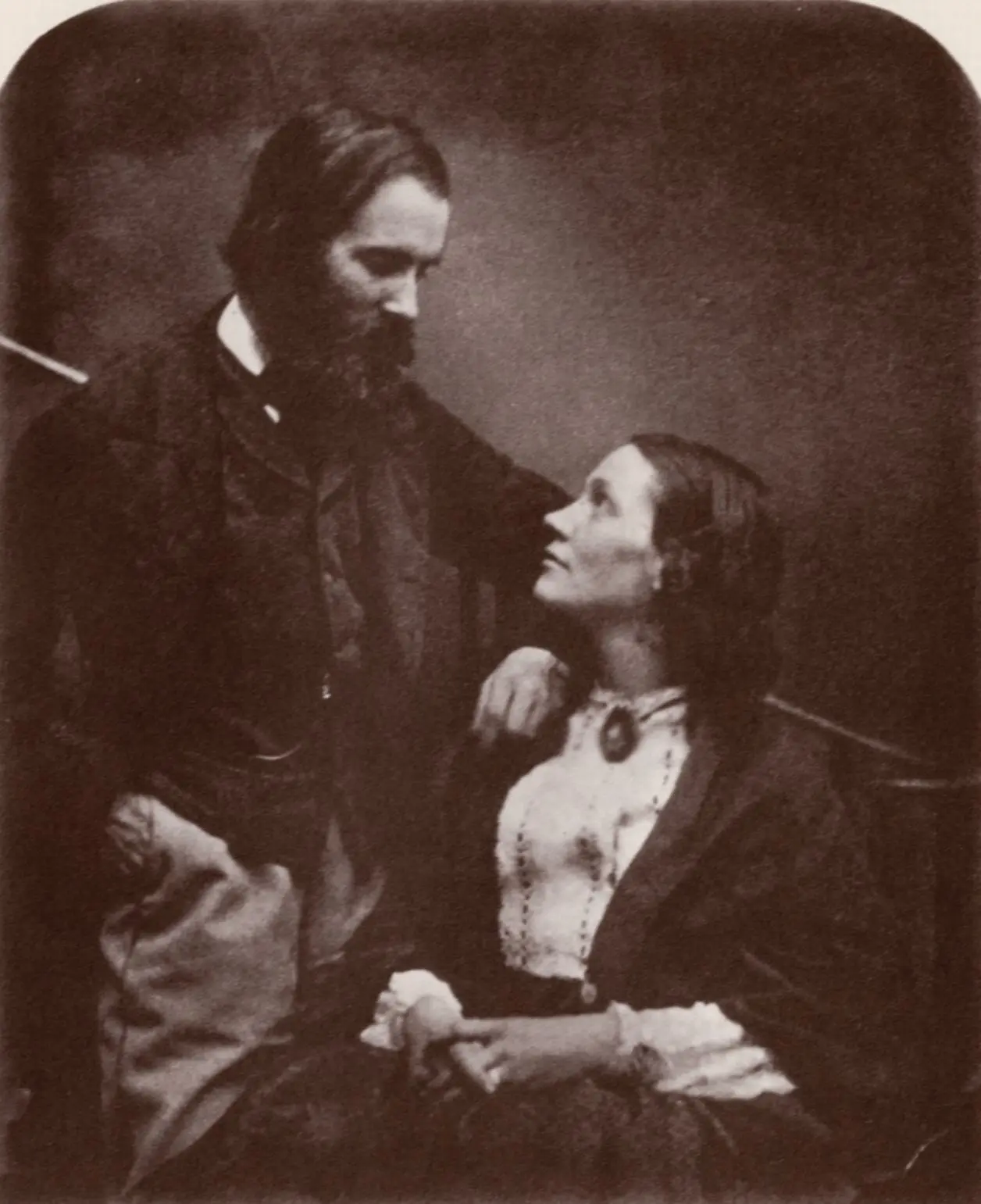
Portraits of (1) Lewis Carroll's aunts playing chess (1858); (2) Alexander Munro, the sculptor, with his wife (1863)

.jpg)
Photography was not, though, the only way Lewis Carroll demonstrated his creative potential. He was constantly solving and making up mathematical paradoxes, playing word games (if you have ever wondered whom to thank for Scrabble, it must be Lewis Carroll😉), and even invented handy tools for his personal needs (for instance, to write at night without turning lights on).
He had many children on the photos, so what?
When looking at the pictures by C.L. Dodgson, you will notice that many of them have children as the main focus. Lewis Carroll did enjoy spending time with little ones, probably even more than with grown-ups, but it often led to gossips and scandals in the man's lifetime and is considered controversial till nowadays.
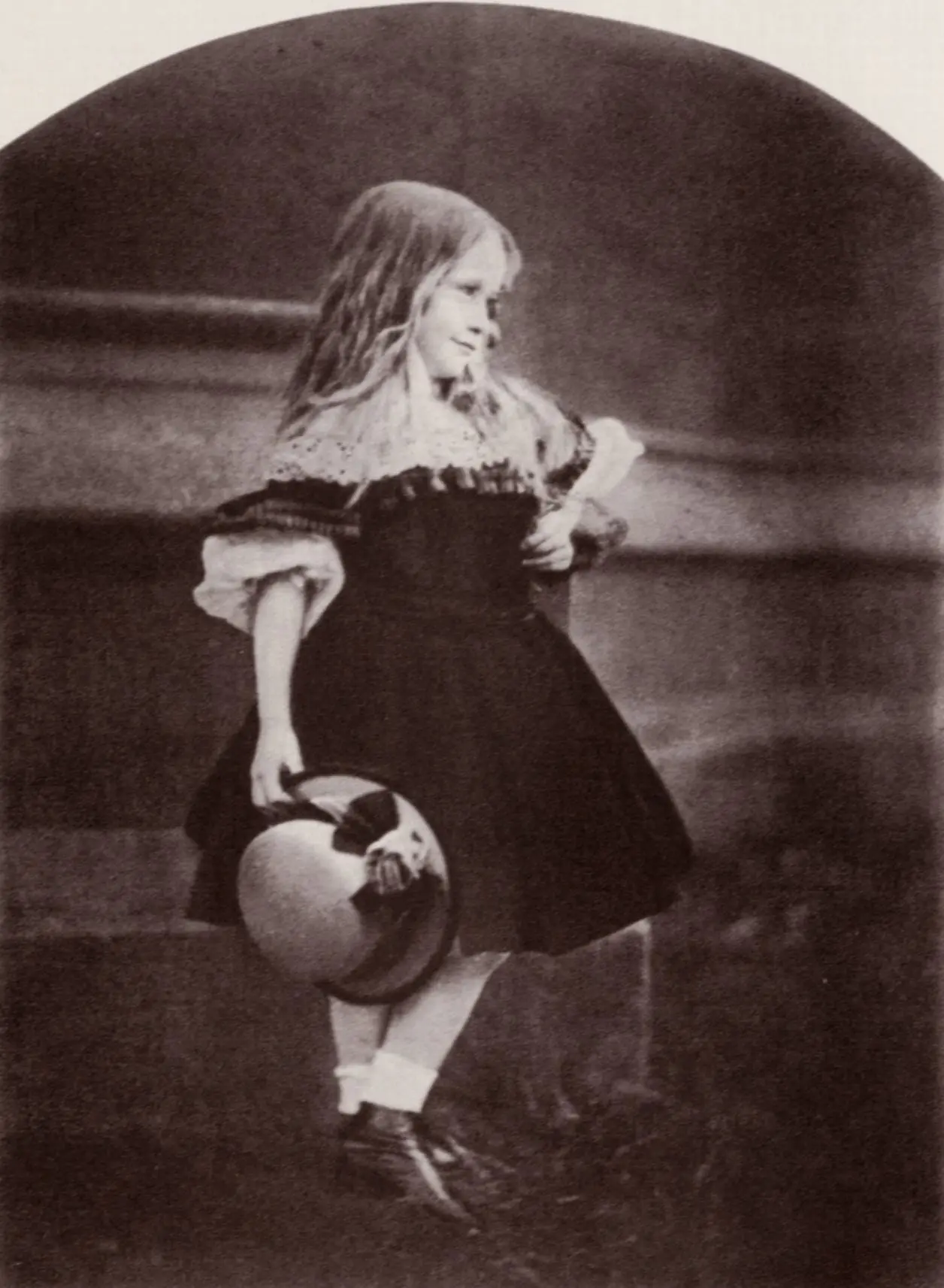
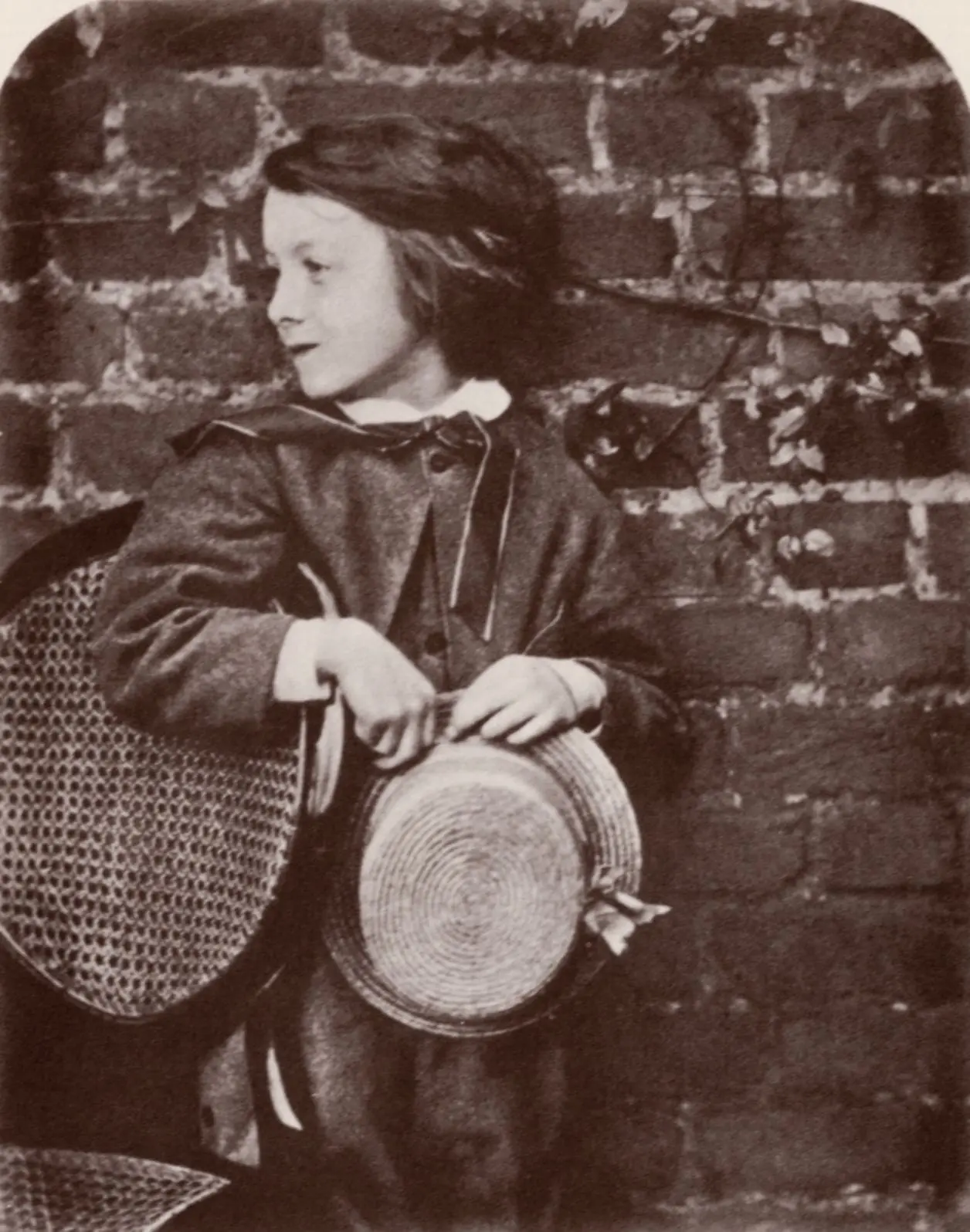
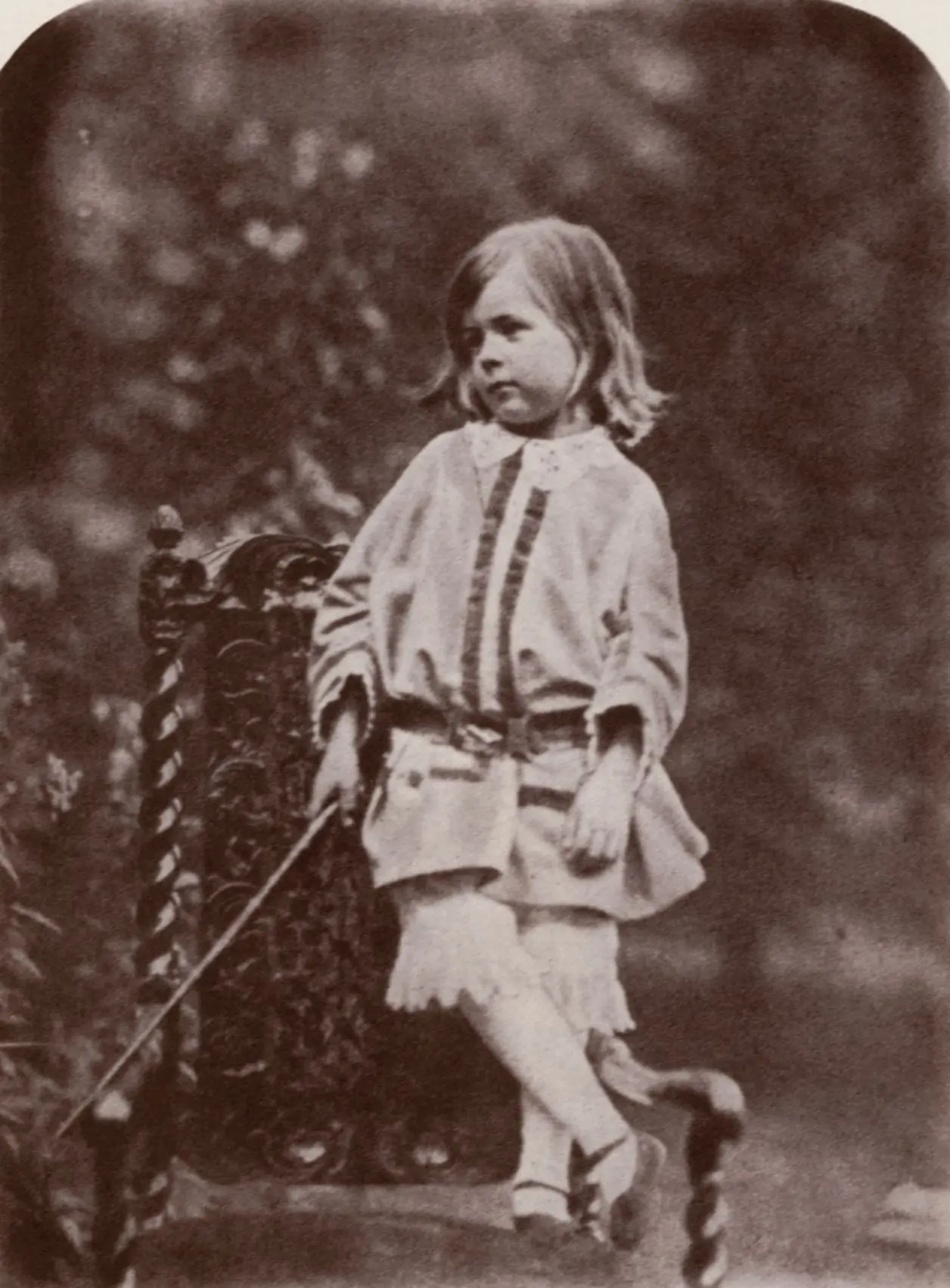
Portraits of (1) Beatrice Henley (1862); (2) Arthur Hughes, the youngest (1863); (3) Hallam Tennyson as a boy (1857)
.jpg)
_(Zeno_Fotografie).jpg)
Besides the images representing life scenes, the photographer pictured young girls, sometimes nude. Even though children at Victorian times were seen as the most innocent creatures – unclothed and depicted in an artistic way they often became models for postcards – not all parents agreed for the experience.
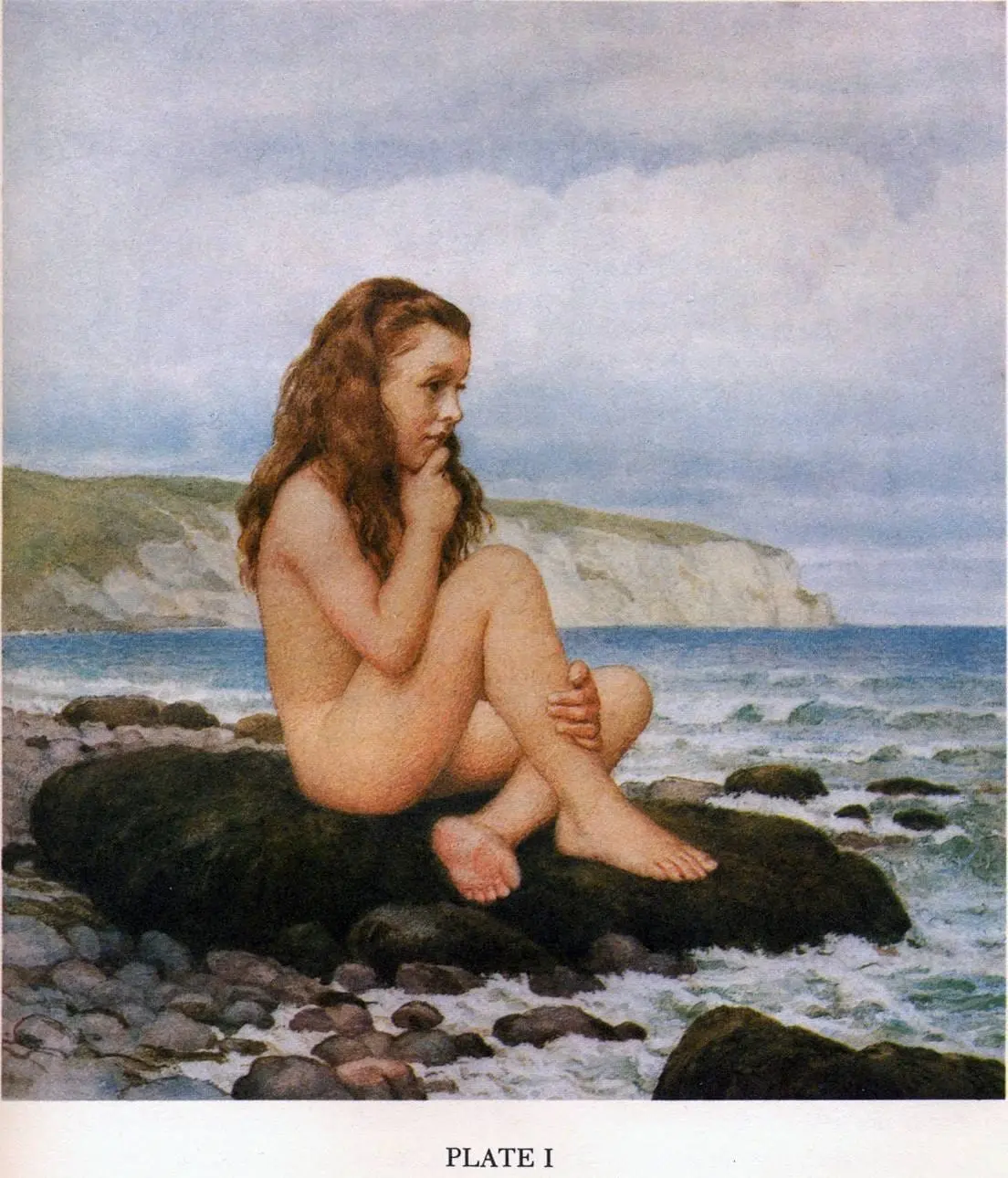
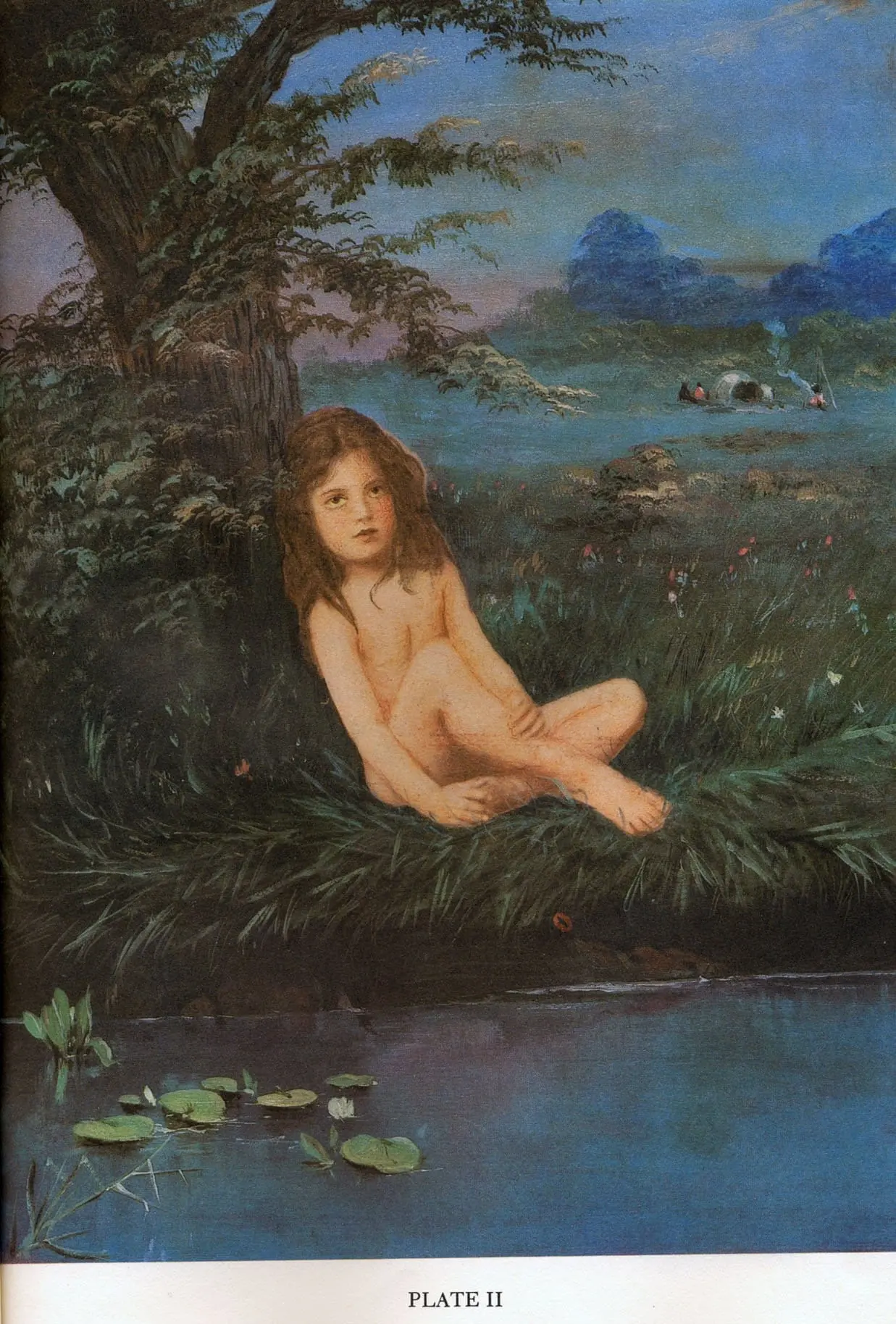
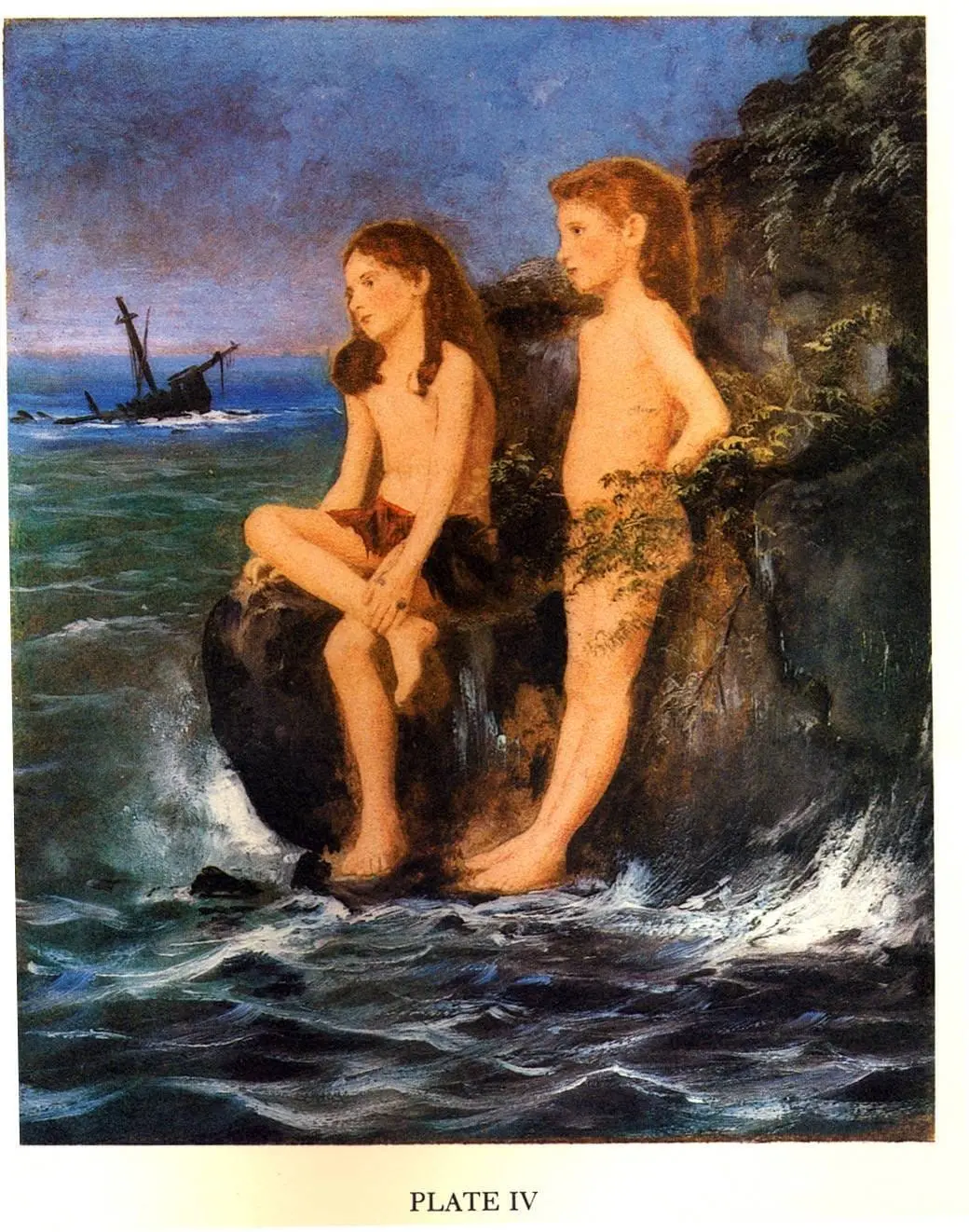
Photos of (1) Beatrice Hatch (1873); (2) Evelyn Hatch as a gypsy (1879); (3) Annie and Frances Henderson (1879) taken by Lewis Carroll, then coloured by Anne Lydia Bond on Carroll's instructions
.jpg)
.jpg)
.jpg)
The writer’s best child-friend Alice Liddell often posed for photos starting from the age of four or five. The children of the Christ Church Dean spent pretty much time entertaining together with their "uncle Charles".
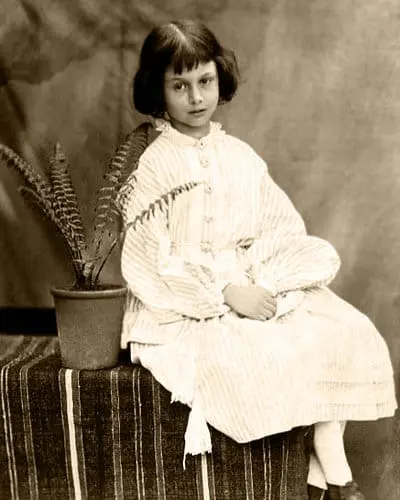
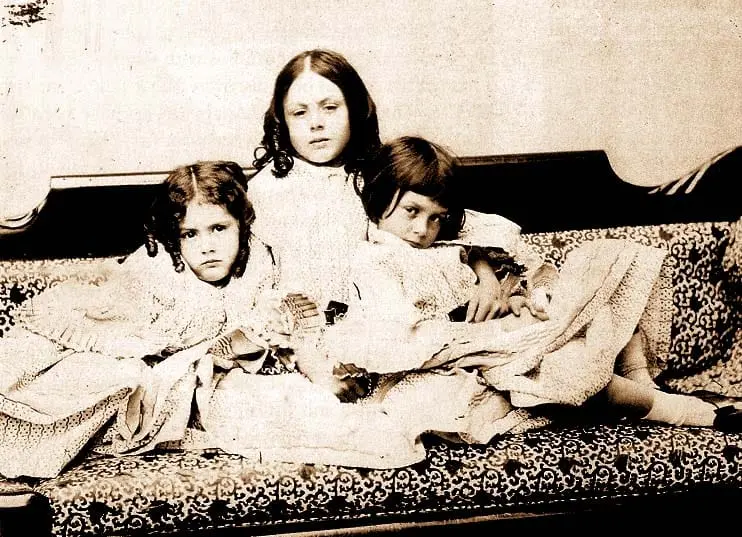
Portraits of 1 Alice Liddell (1860); 2 Alice Liddell with her sisters: from left to right - Edith, Lorina, Alice (1859)


It was one of their rowing meetings which inspired Alice’s Adventures in Wonderland. It was Alice who begged "uncle Charles" to write down the story he made up on the way...
...and suddenly the connection broke. Either Alice didn’t like the changes Lewis Carroll made to the original story, or she didn’t understand why anybody would need a second, "artificial" name, or her parents decided to separate the bond to avoid dirty speculations, but they stopped seeing each other for months and never discussed the reasons.
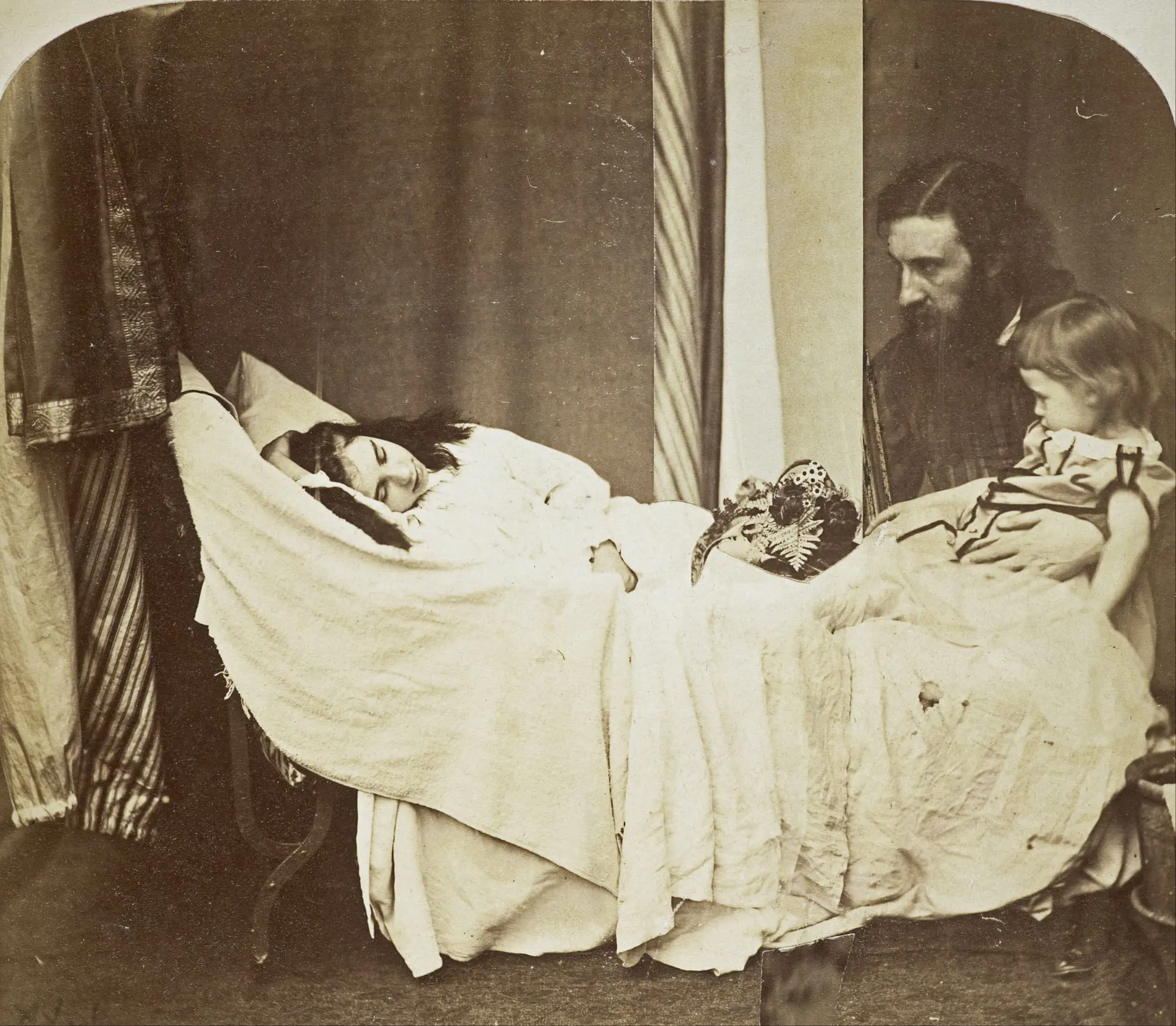
Photo of George MacDonald, a Scottish writer, with his children - "Mary J. MacDonald dreaming of her father (George MacDonald) and brother Ronald" (1864). Image by Wikimedia commons
_and_brother_Ronald%27_-_Google_Art_Project.jpg)
Meanwhile, Lewis Carroll shared the book about Alice with George MacDonald, another his friend who also had children. And when the kids approved the story with their smiles and enthusiasm about the adventures, Lewis Carroll decided to publish. The only things to change were the name of the book and the illustrations. Ultimately, Alice Liddell received her version illustrated by the author, and for the book to see the world, Lewis Carroll asked John Tenniel for professional assistance.
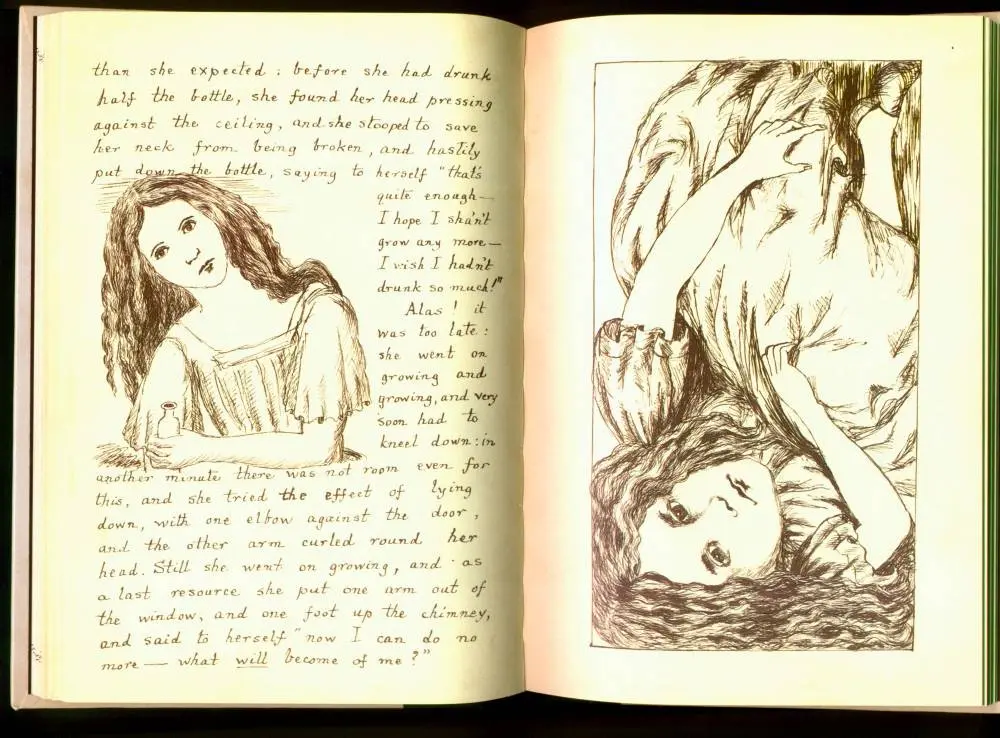
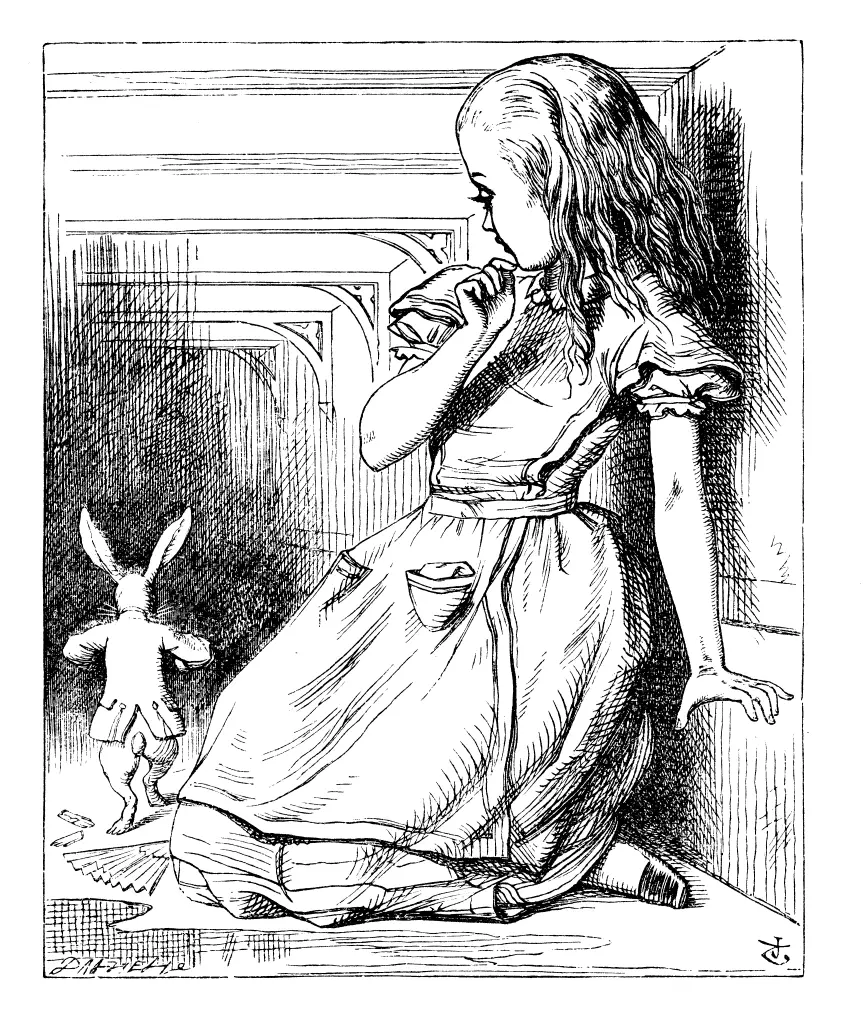
Illustrations to the "Alice's Adventures Under Ground" (1864) or "Alice's Adventures in Wonderland" by (1) Lewis Carroll (1862-1864); (2) John Tenniel (1865)


Who are the models?
When searching through the pictures made by C.L. Dodgson, apart from children and families, one can find many gentlemen who look serious and concentrated, and who does not always make an impression of being close friends with the photographer.
It may be easier to recognise some of the personalities for those interested in history and science.
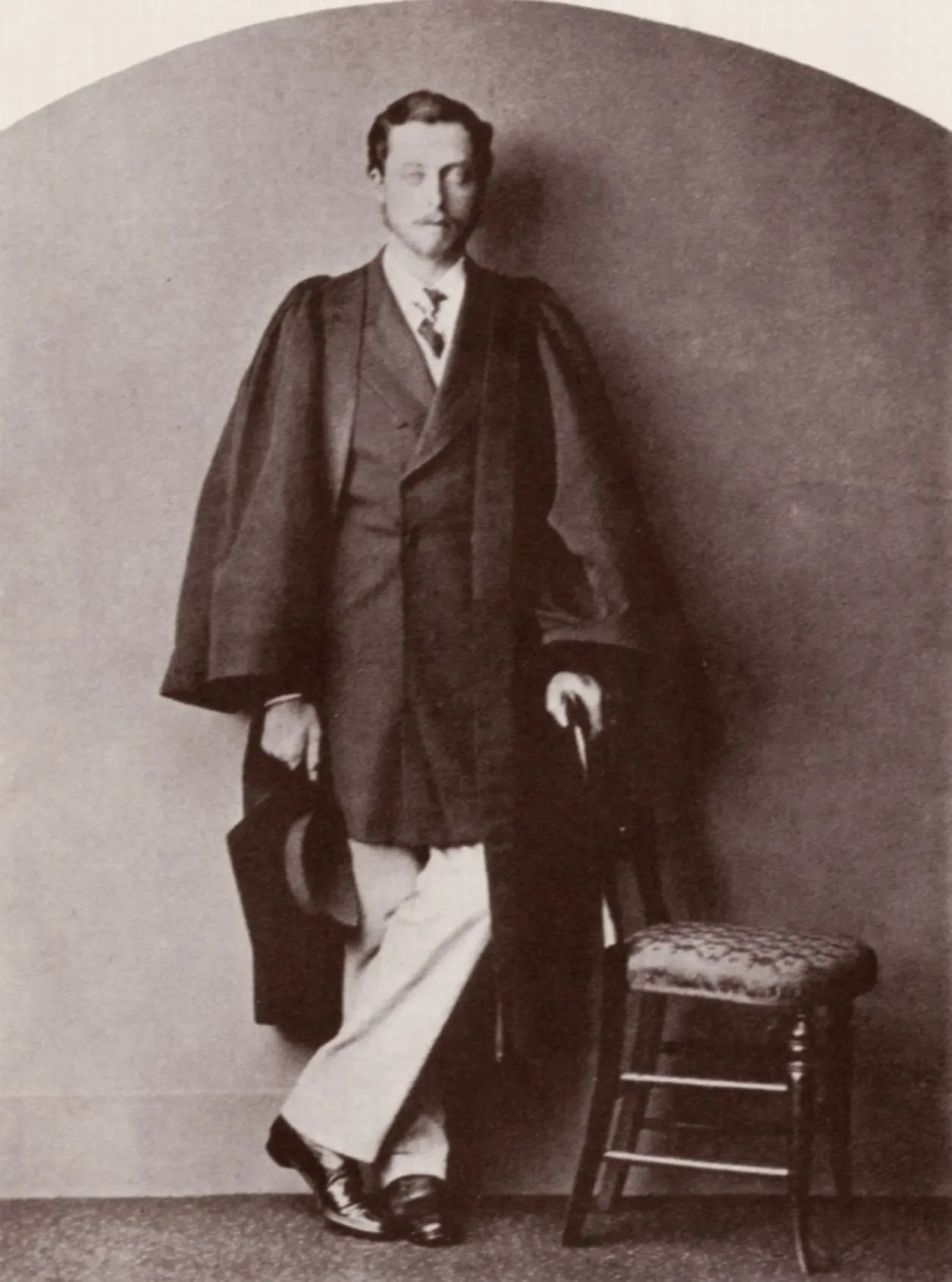
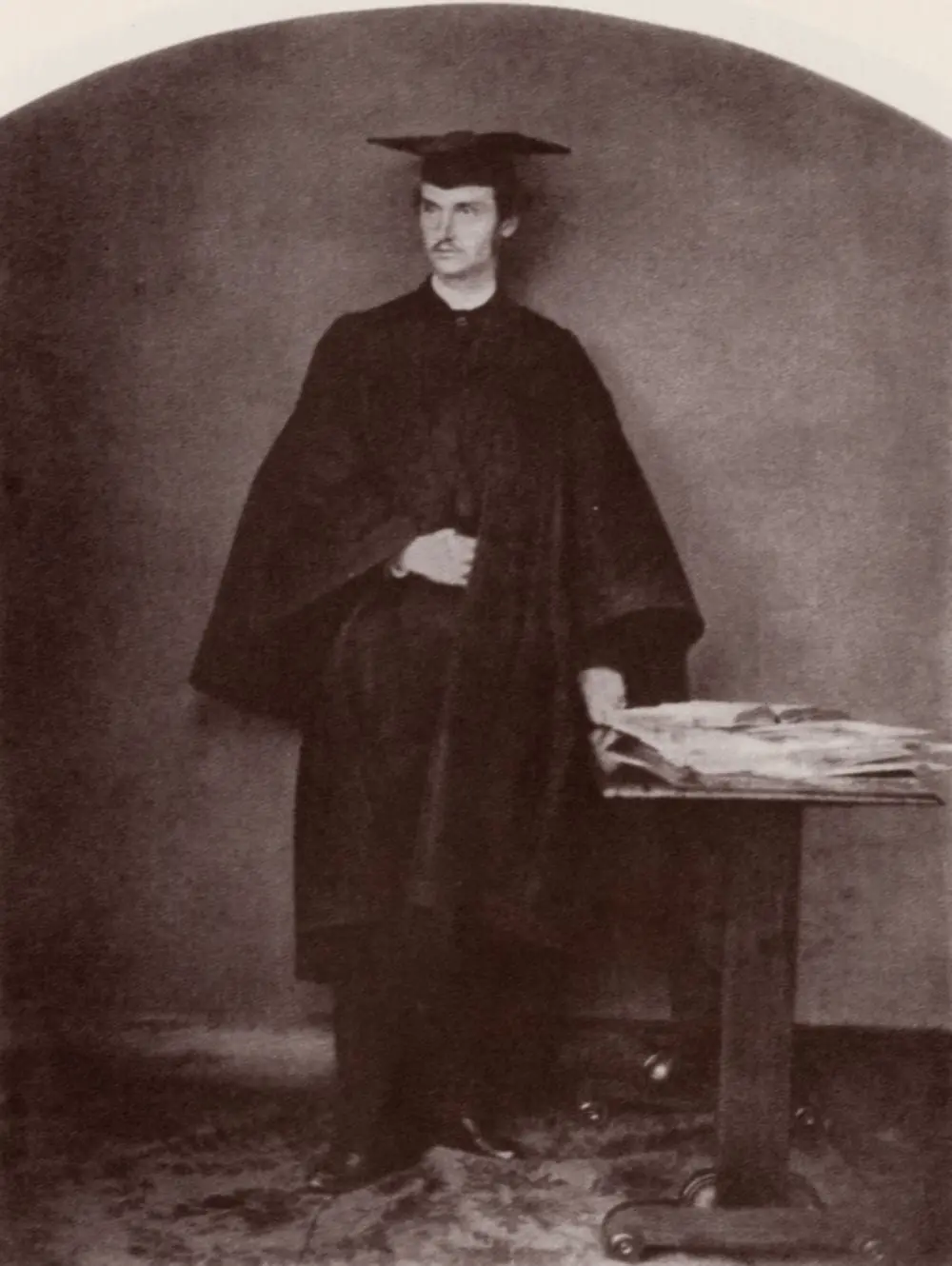
Photos of (1) Prince Leopold, Duke of Albany (1875); (2) Frederick VIII of Denmark (1863, then Crown Prince of Denmark)
_(Zeno_Fotografie).jpg)
.jpg)
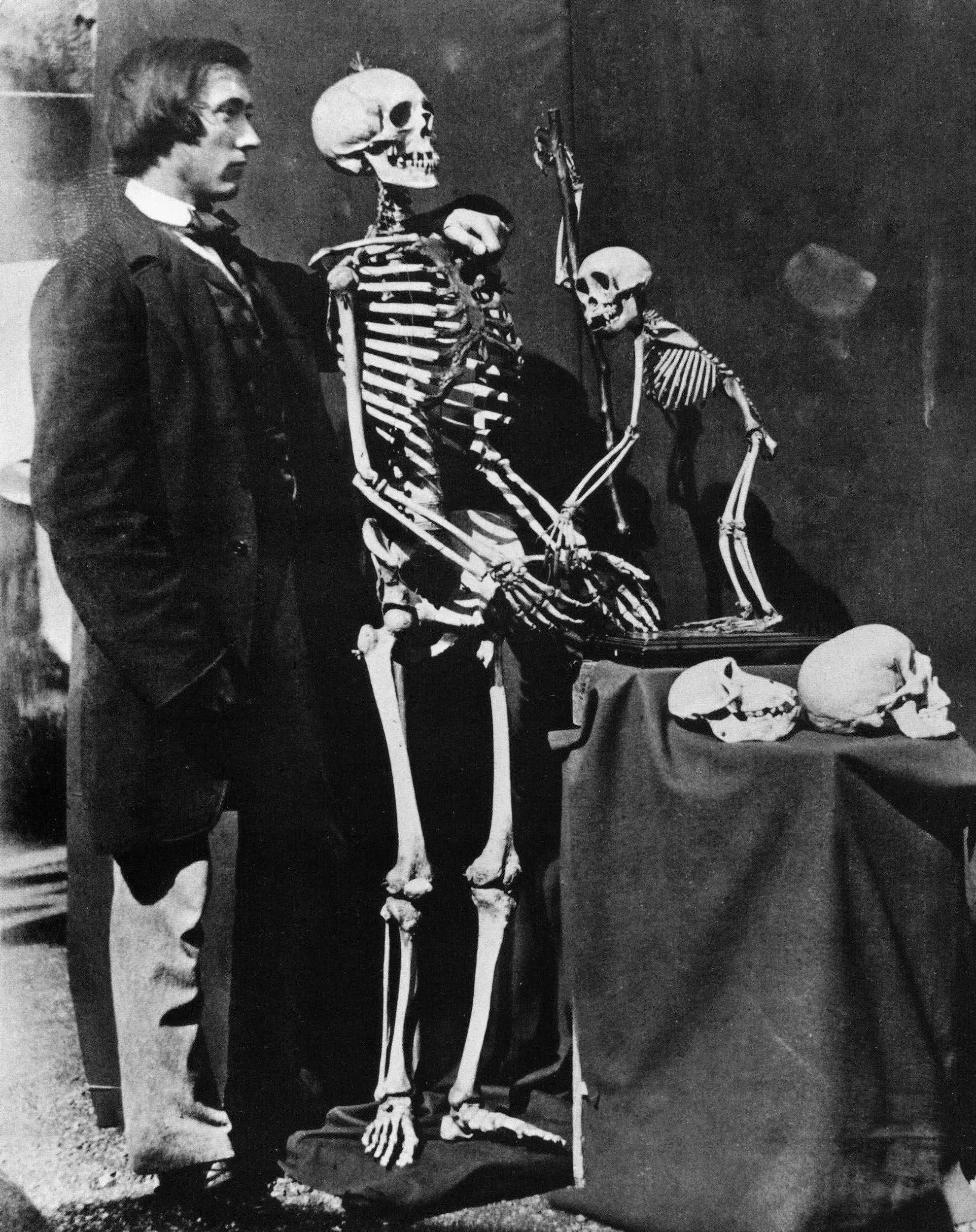
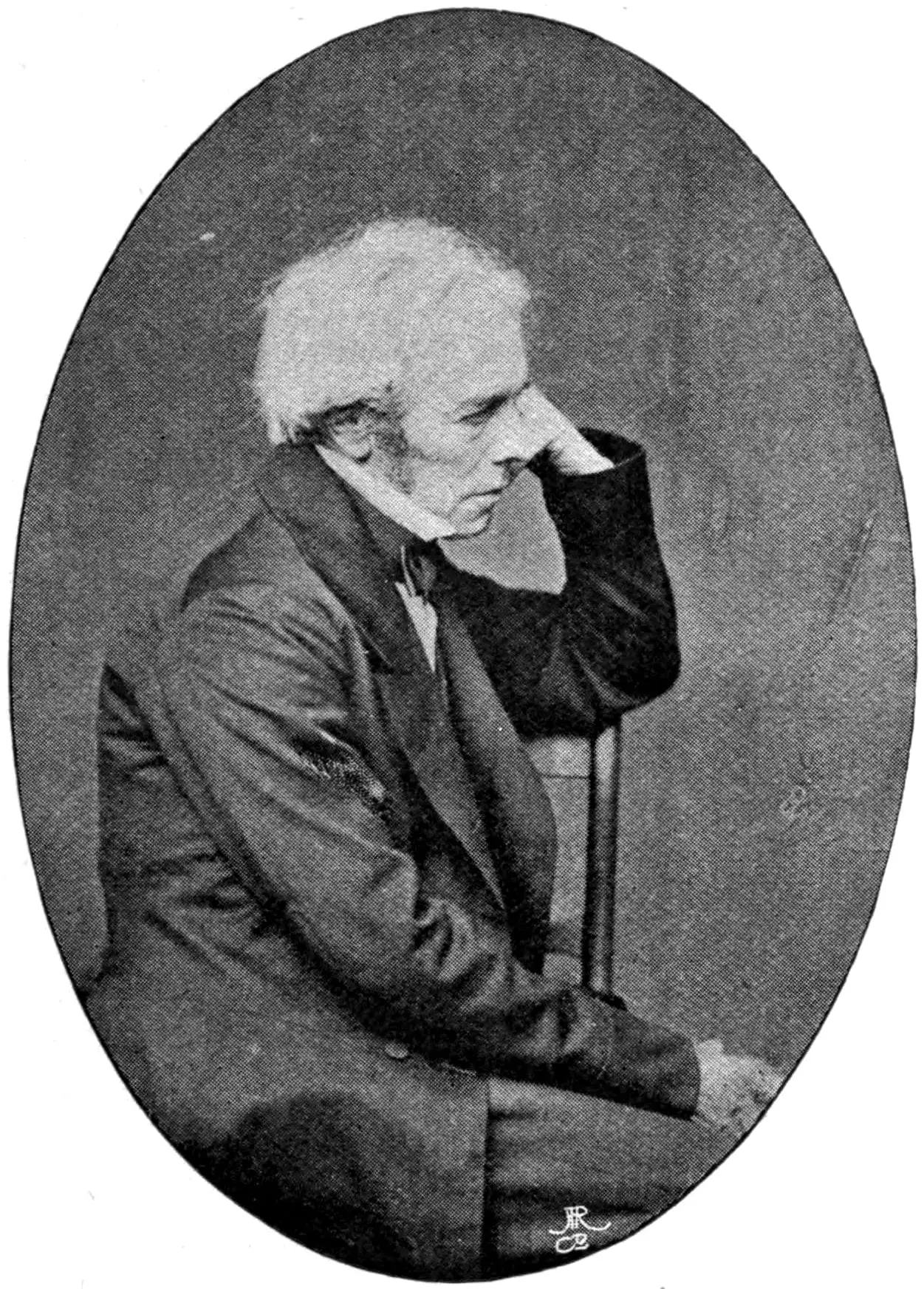
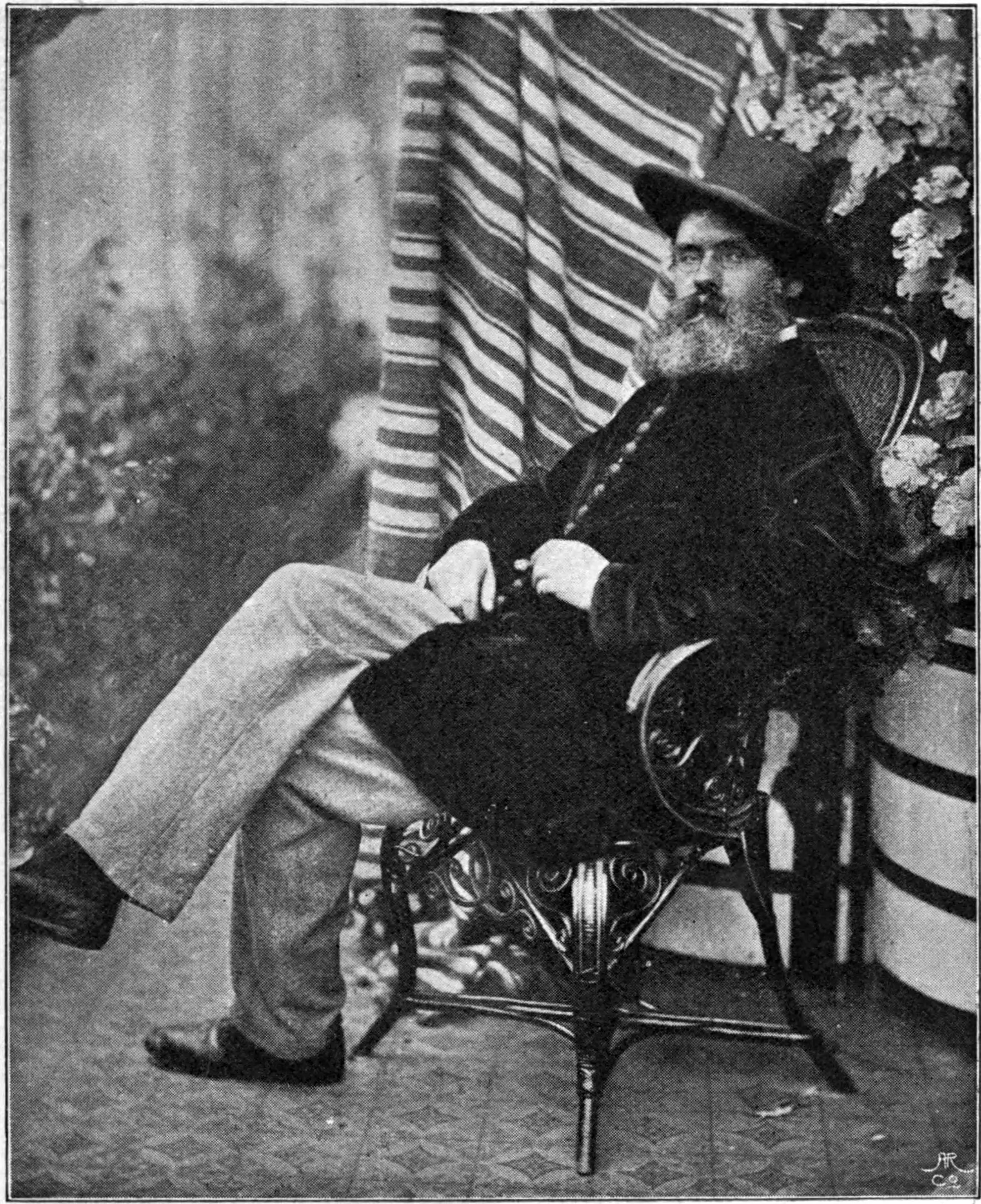
Portraits of (1) Reginald Southey, an English physician (1857); (2) Prof. Michael Faraday, an English physicist and chemist (1860); (3) Tom Taylor, an English writer and editor (1863)


C.L. Dodgson used his skill of making photo portraits as an entrance ticket to the higher social circles. He invited artists and illustrators for a photo session, reached scientists with the possibility for photo experiments, and offered his services to monarchs. He is even said to have invited Queen Victoria several times but she is believed to have restrained from the experience.
The writer and the photographer probably did not earn anything but for networking from this hobby, but both he and the models enjoyed the process and mostly loved the result, so it was certainly worth the efforts. And for us, the results of Lewis Carroll's hobby give a lovely chance to see what the Victorian times were like, even though a bit decorated.
More about the world through Lewis Carroll's eyes
Photography Collection 1 – a digital collection of pictures created by Lewis Carroll (Charles Lutwidge Dodgson), Harry Ransom Center at The University of Texas at Austin
Photography Collection 2 – a digital collection of pictures created by Lewis Carroll (Charles Lutwidge Dodgson), Zeno Library
Lewis Carroll Photography resources – a list of resources dedicated to Carroll's works and views regarding photography, by The Lewis Carroll Society of North America