The first painting by Judith Leyster, its price and value
Dutch Golden Age, numerous genres of paintings, generally high quality of works, everything from historical portraits and landscapes to light-hearted and everyday scenes can be found among the works of that time.
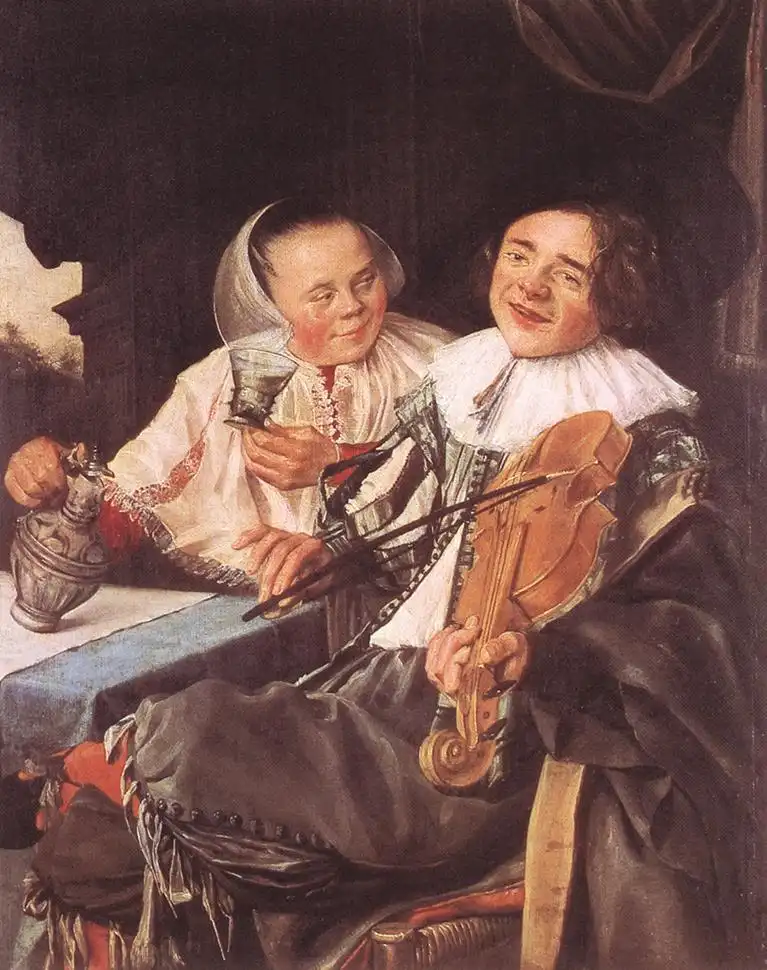
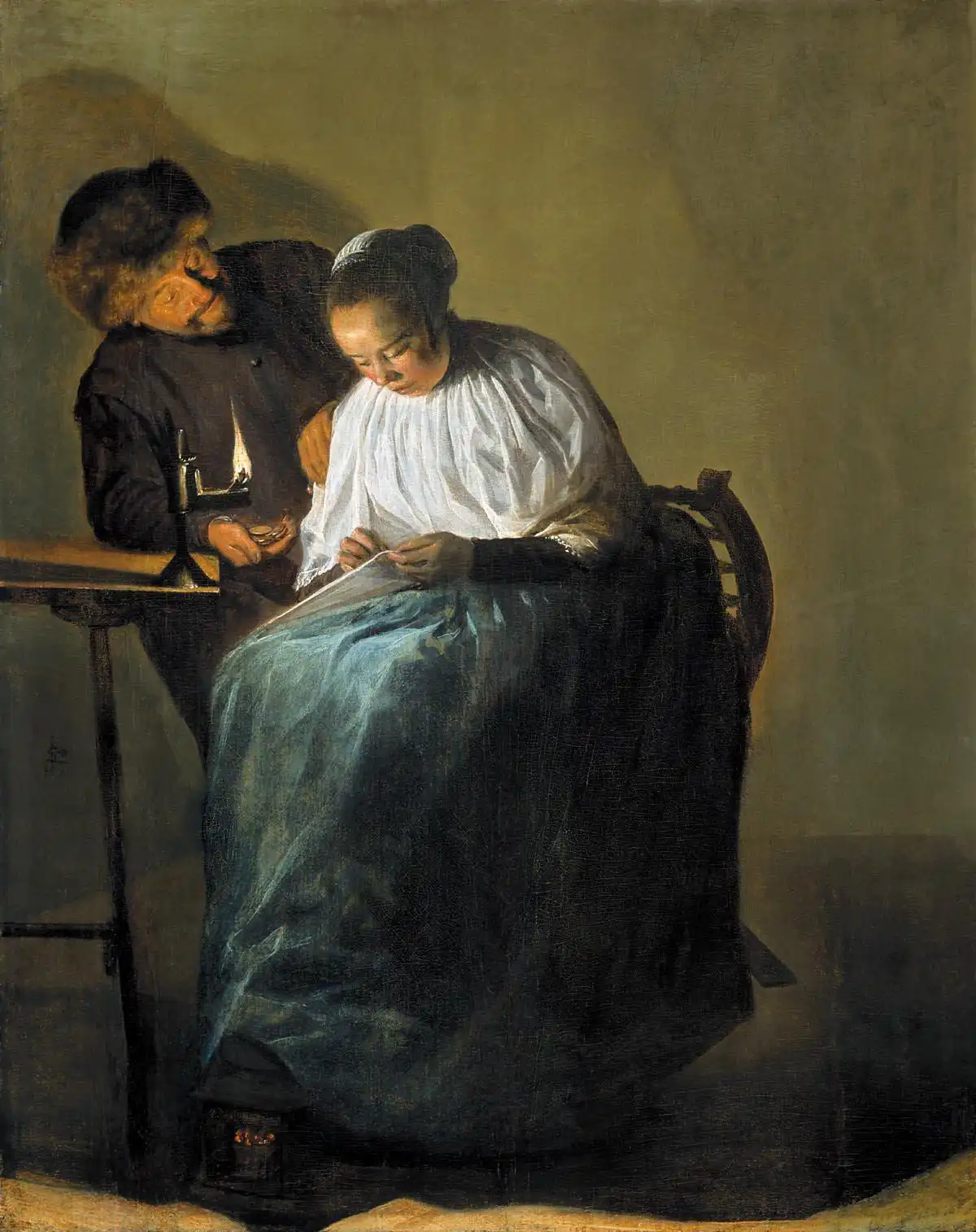
Judith Leyster painted it when she was 20 or 21 and it was not truly her first professional painting. The canvas should have added to her acceptance to the Haarlem Guild of St. Luke but otherwise was just a regular work by the artist.
What changed the story was the fact that unlike many other works, Judith Leyster decided to sign this one – and the signature was staying unnoticed for more than 200 years. The Carousing Couple became the first painting which allowed to identify Judith Leyster as an artist centuries after her death. And before that? Almost nobody knew or remembered her – history gets weird sometimes.
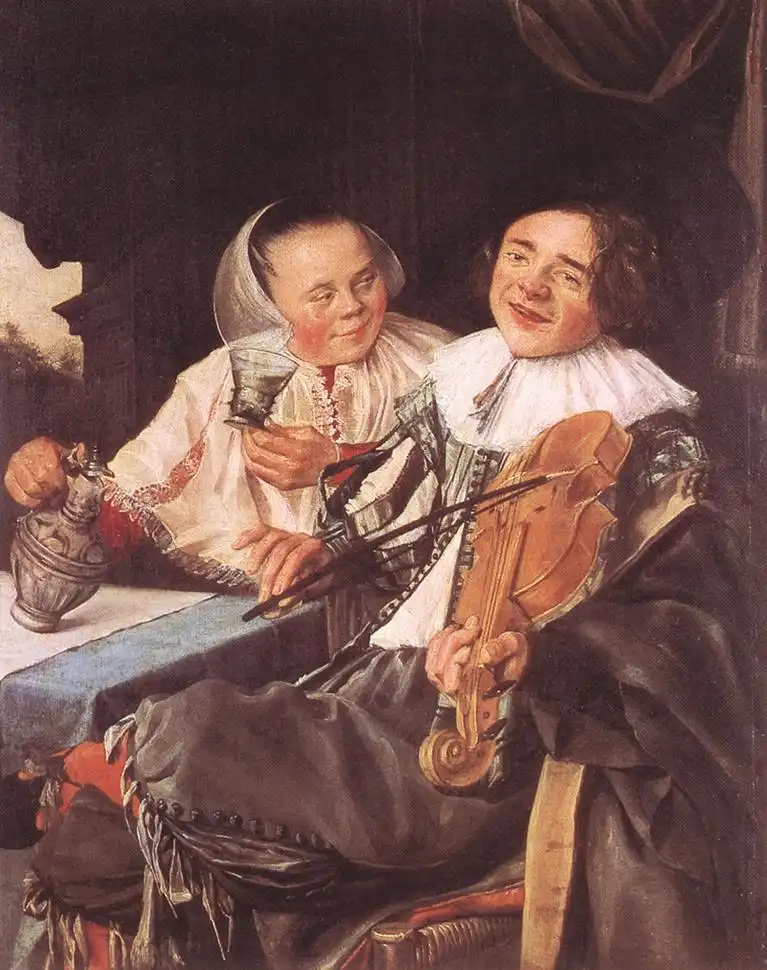
Carousing Couple by Judith Leyster (1633)
Leyster’s story can now serve as a great example of the Swiss cheese model[=EX2] in art. Watch the holes:
- she was a student of a prominent Dutch painter Frans Hals and one of the very first female painters to be granted membership in the Haarlem Guild of St. Luke[=EX1]
- it was the 17th century and painting was mainly the men’s world
- after being an active and prolific painter for several years, the lady got married at her 26, became a mother to five and, naturally, left the stage as an artist
- her husband was also a painter and that was her window into the world of painting, limited though with occasional help and mainly administrative support
- no more students, no public appearances, no active promotion
When art dealers were at the doors, the lady’s paintings were often attributed as those “by the wife of Molinaer”, or worse (mostly after the lady’s death), “by Jan Miense Molinaer”, or “by Frans Hals”. An occasional inaccuracy soon became a beneficial ruse – the male artists’ names were pretty well-known and it was generally easier to sell paintings under these names, sometimes even at a higher price.
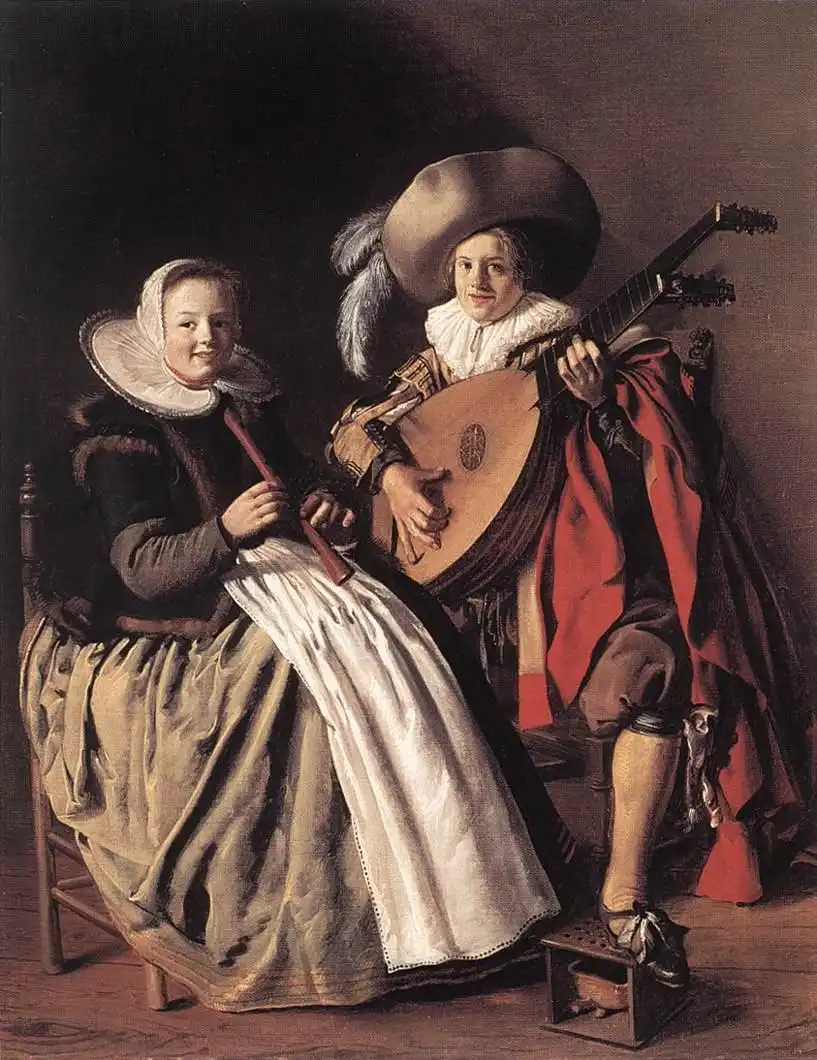
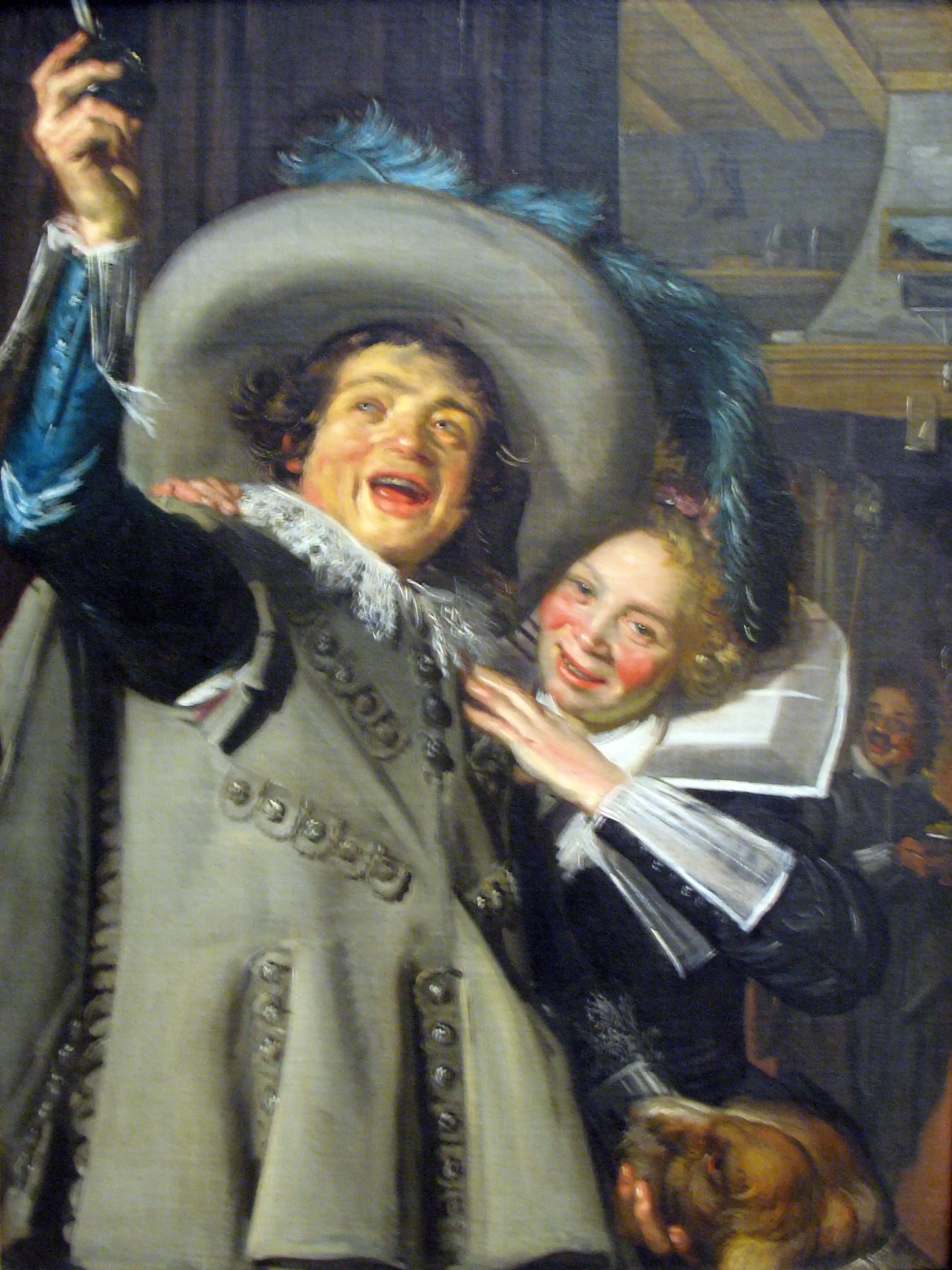
The Duet by Jans Miense Molinaer (1630) (on the left); Yonker Ramp and His Sweetheart by Frans Hals (1630) (on the right)
Time was going by. Some canvas got lost, others were attributed to wrong artists but none of them did lose popularity among collectors and museums. Judith Leyster’s name literally disappeared from the history of art so that even when her specific monogram was found on a canvas, it did not at once associate with a particular artist.
That’s what happened to the Carousing Couple. For 232 years from its creation, the painting was sold and re-sold several times before ending up in the hands of the British art collector Thomas Lawrie. Both happy and curious about the purchase, he was of course carefully observing the canvas by Frans Hals (what it was known for at the time) when he noticed a double signature. Behind the Hals’s monogram, there definitely was another one, featuring letters “J” and “L” and a star. Had he just paid €525 000 (£4 500 at the time) for a fake?!
It took time and efforts to get the complete picture. Lawrie sued to the court, received his money back and an extra compensation, and the community of art historians received a new sensation: somebody who had been completely forgotten for a couple of centuries was now alive again, which meant there must have been more works signed with “J” and “L” and the star. Somewhere.
Paintings by Judith Leyster were then found in museums, private and even royal collections all around Europe. One of the recent findings took place just 10 years ago, in 2016, and it was Leyster’s self-portrait, now as a middle-aged woman.
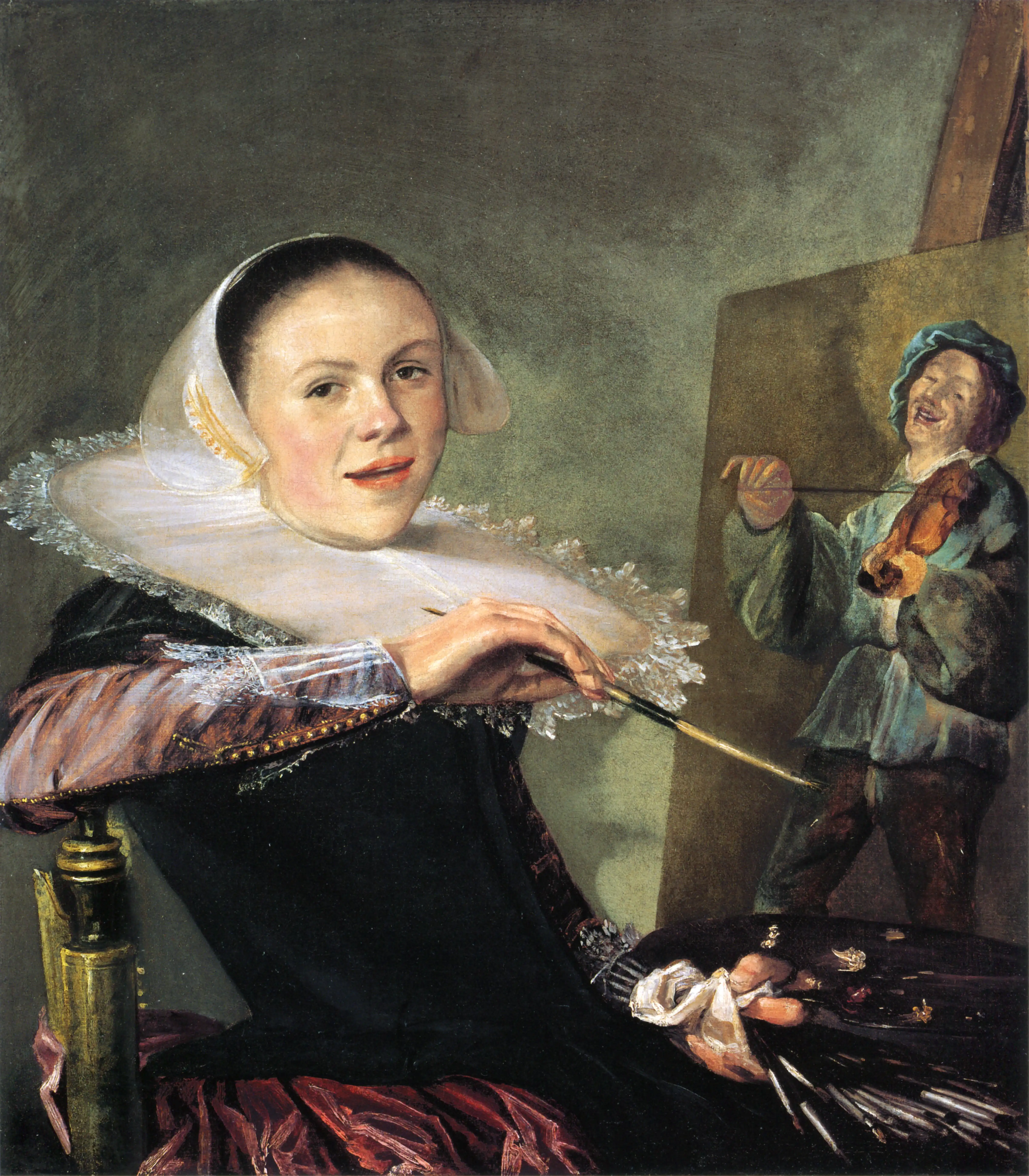
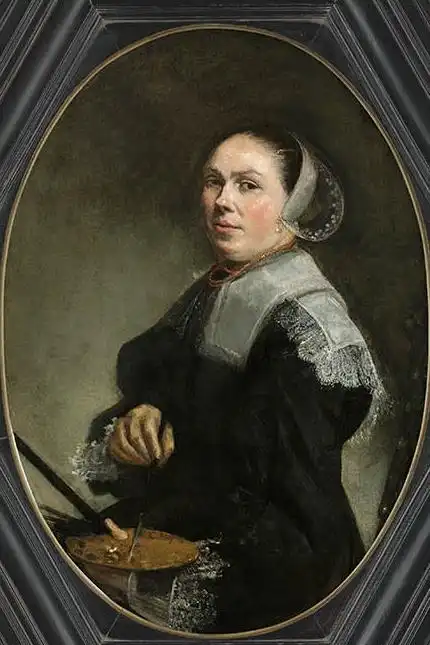
Self-portraits by Judith Leyster, c.1630 and 1653 respectively
We are not art historians or critics and have no idea about whether more works by the "leading star" (literary translation of the surname Leyster) are potentially missing, but even this little story proves that a few failures can have quite unpredictable consequences centuries later, while price and value would often mean pretty different things.
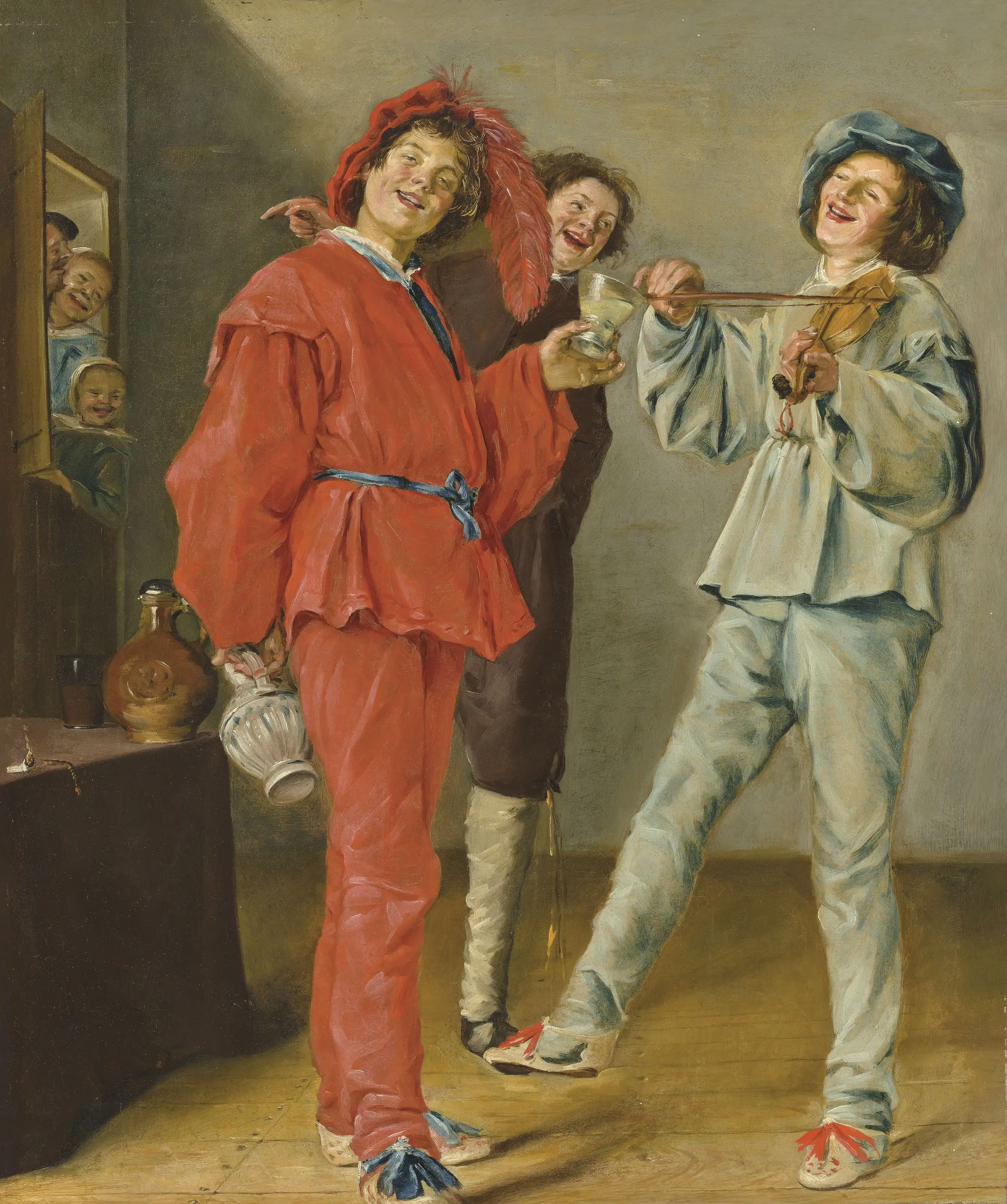
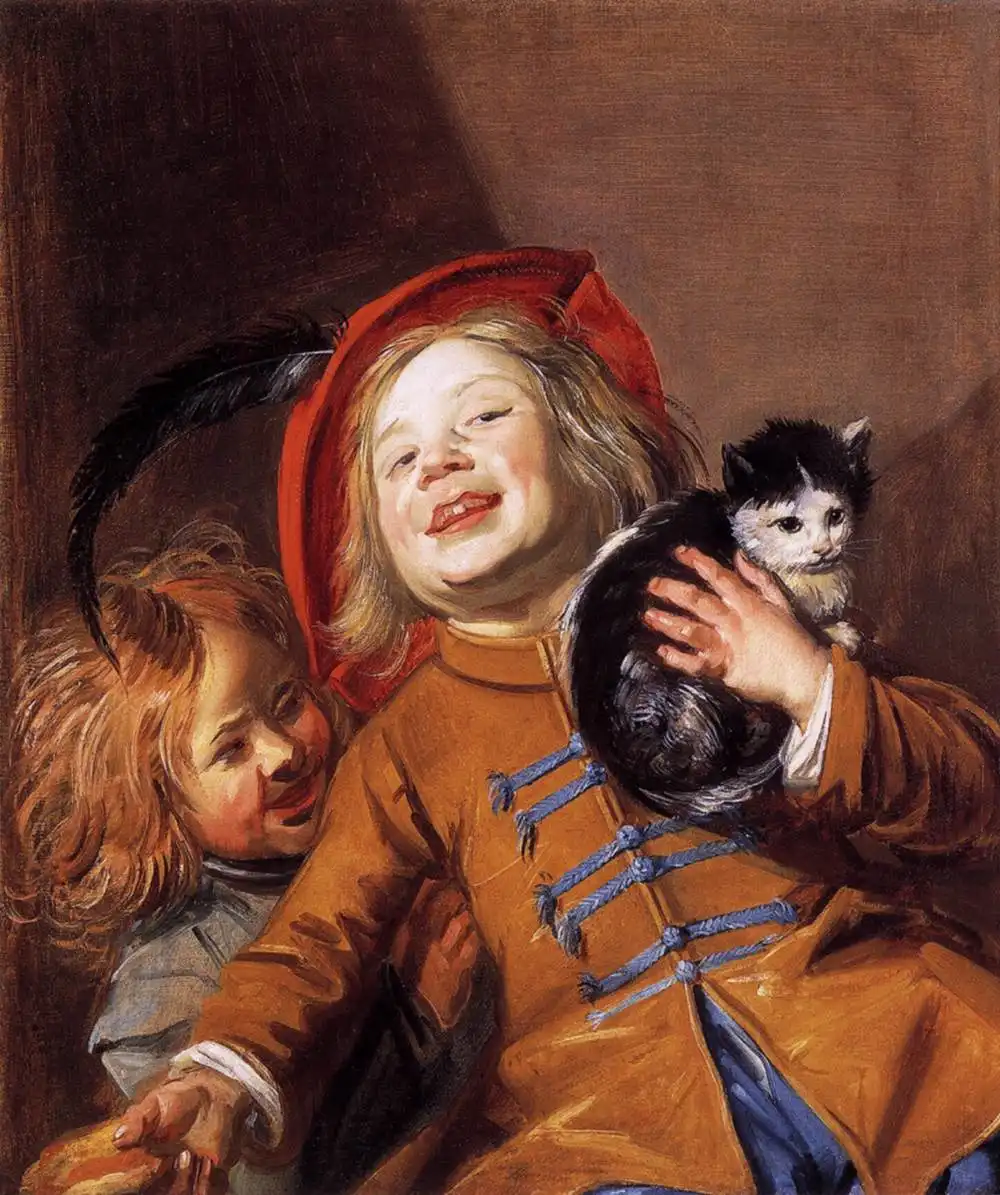
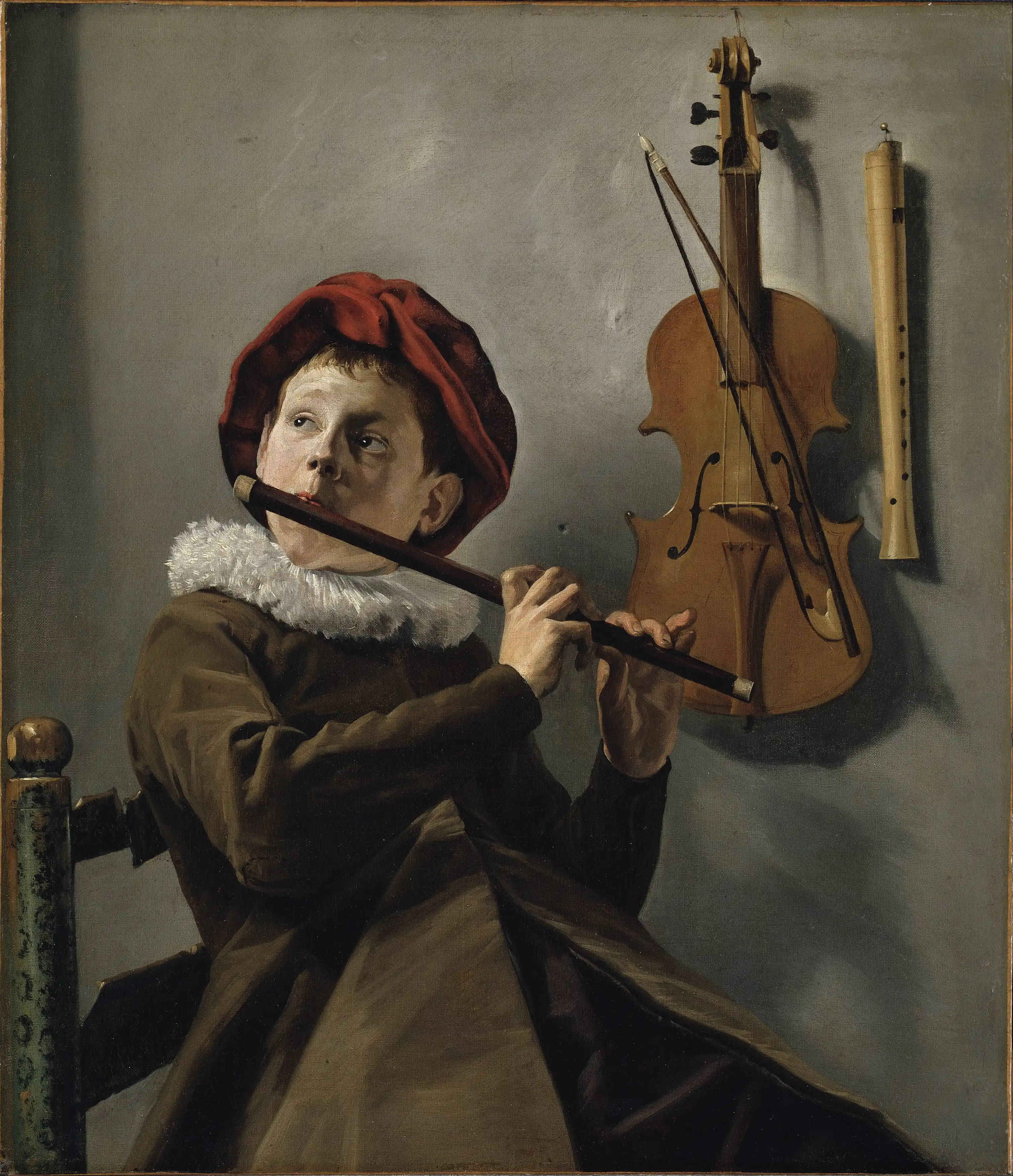
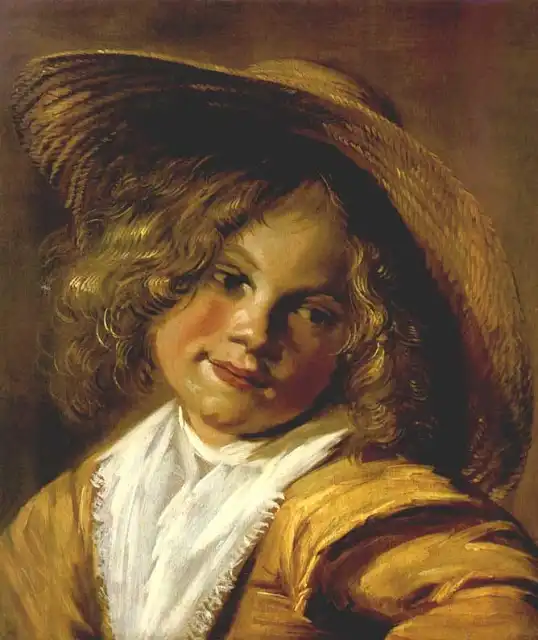
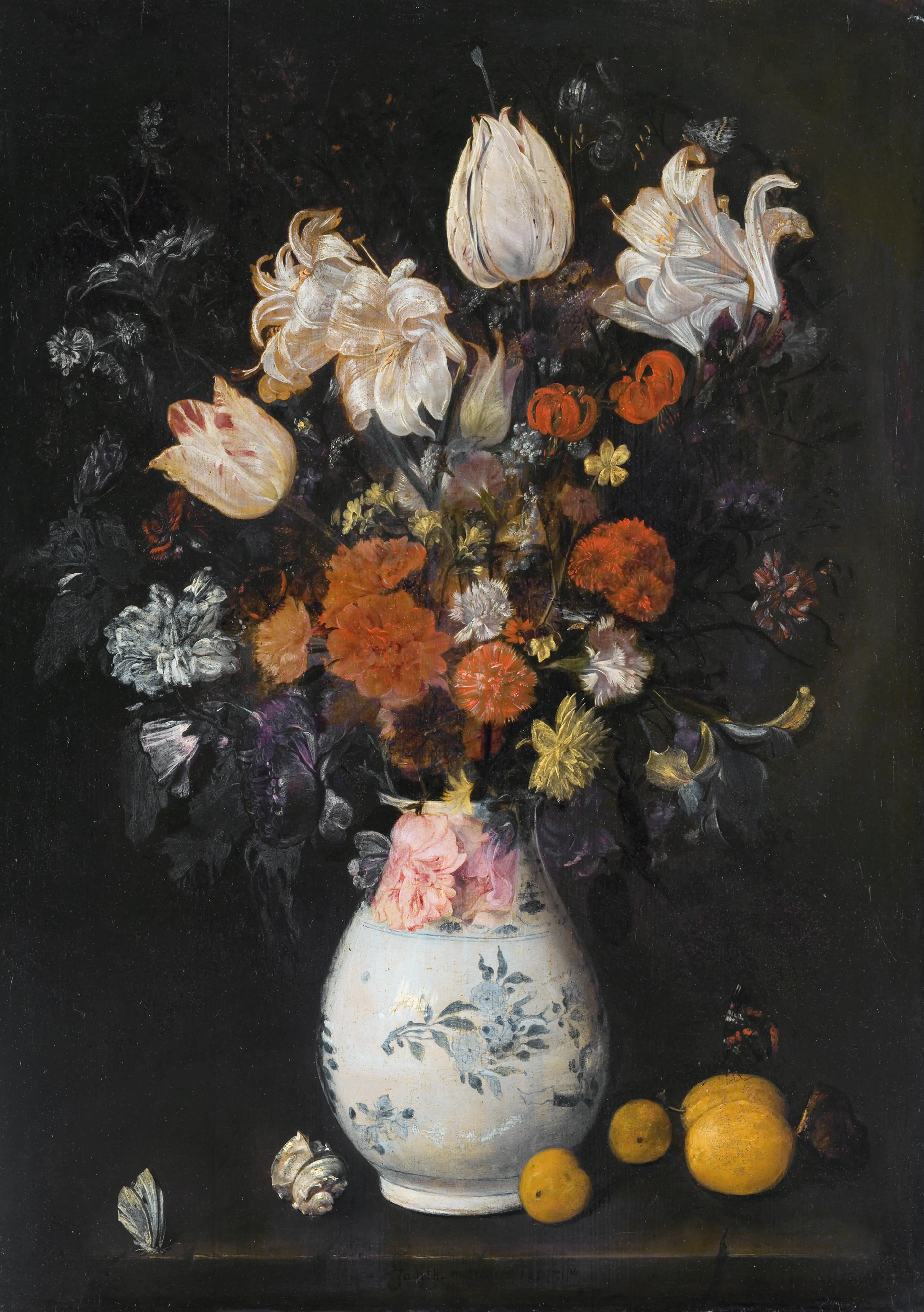
Some of the best known works by Judith Leyster
_-_The_Last_Drop_(The_Gay_Cavalier)_-_Google_Art_Project.webp)
[=EX1] the membership proved that one was a master, had trained for several years, been an apprentice to another painter, and could now take students of their own
[=EX2] a model used in risk analysis and management which illustrates how failures typically result from a combination of factors (visual "holes") rather than a single root cause. Sometimes, though, there are too many holes following each other, so the failure occurs despite the multiple safety layers.