Tiffany glass and a Ferris wheel – what’s in common?
Colourful and fragile glass "paintings" were inspired by nature, while a massive and sturdy construction was meant to surpass what Guy de Maupassant called "the giant skeleton," the Eiffel Tower.
Tiffany and Ferris knew nothing about each other, and both were already experts in their fields when it became clear that the upcoming world’s fair was going to take place in the USA. The exposition would be dedicated to the Fourth centenary of the discovery of America and the list of candidates to host the event included New York City, Washington DC, St. Louis, and Chicago. Through several rounds of voting, the United States House of Representatives came to Chicago as the destination.
The World’s Columbian Exposition was a chance for talented engineers, inventors, architects, scientists and artists to showcase their works for international audiences. Both Tiffany and Ferris used the chance.
The creators
They were born 11 years 4 days and about 1500 km apart. Louis Comfort Tiffany was a son of the jeweller who had founded the luxury jewellery house Tiffany & Co. ten years before, and George Washington Gale Ferris was born to a family of former farmers. Louis was trained as a painter but chose glass as his main material and was earning his living as a designer. George got a degree in civil engineering and worked on constructing bridges and railroads.
Their works met at the world's largest exposition.
Tiffany Chapel
A year before the Exposition opening, L.C. Tiffany had established his first glassmaking firm in New York. The recipe for his most famous iridescent Favrile glass was yet under development but the technique of "painting with glass" was already the master’s unique signature. And he was going to show it to the world.
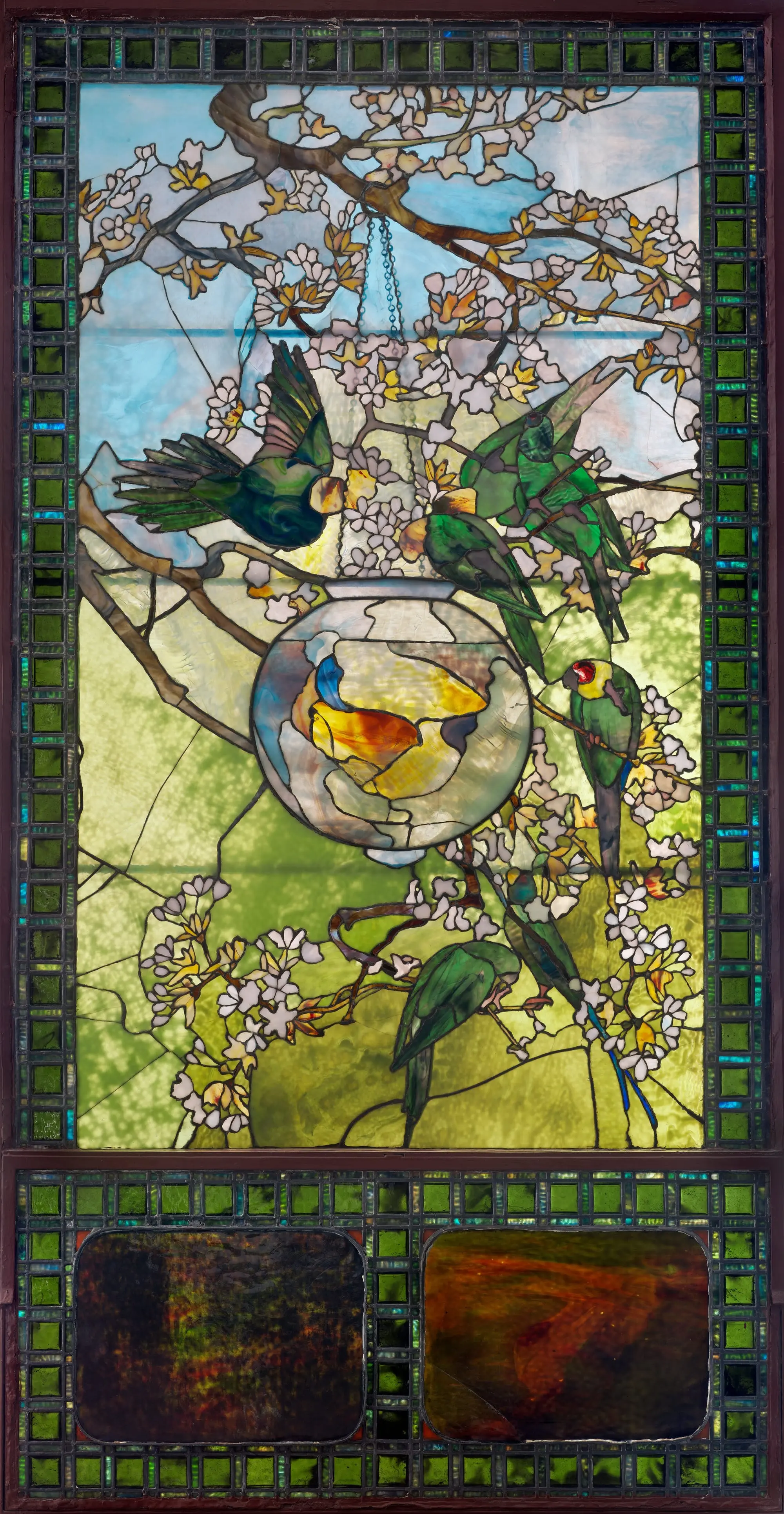

Works by L.C.Tiffany (from left to right): 1 - Parakeets and Gold Fish Bowl (1893). Image by Louis Comfort Tiffany — Google Arts & Culture, Public Domain, Wikimedia Commons. 2 - Window to honor L.C.Tiffany's parents' 50th wedding anniversary. Image by Daderot - Own work, Public Domain, Wikimedia Commons
The nature of the exposition asked for something truly great and outstanding, and L.C. Tiffany used his skills to build a chapel, the one "in which to worship art."
The chapel took 74 m2 and included carved arches, mosaic columns, a cross-shaped electrified chandelier decorated with glass, a marble and white glass mosaic altar and colourful stained-glass windows. Imagine your feelings when finding this among numerous pieces of literature, art, science, and music exhibited in one of the ten largest buildings in the world (Manufactures and Liberal Arts Building was designed especially for the Fair and took the area of 130 000 m2).
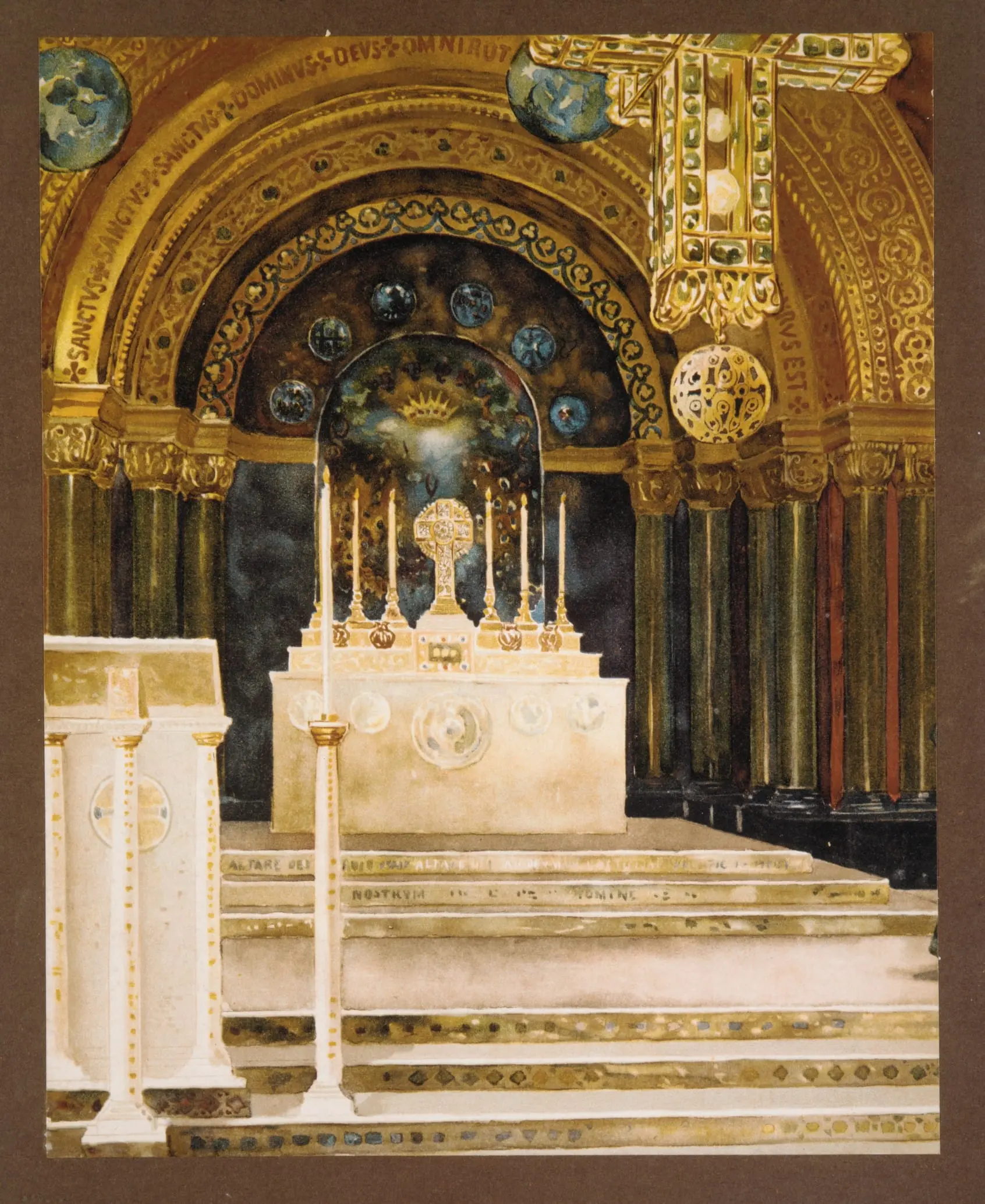
Tiffany Chapel interior. Image by Louis Comfort Tiffany / Tiffany Studios - This file was donated to Wikimedia Commons as part of a project by the Metropolitan Museum of Art.
The visitors were astonished, some took their hats off out of being speechless at seeing the chapel.
Ferris Wheel
The idea of having a wheel-shaped construction for that very Chicago World's Fair was first voiced out by its Director of Works Daniel Burnham. The original idea looked interesting but unsafe and, thus, the team of metal workers, including G.W.G. Ferris, rejected the project. G.W.G. Ferris was busy with his own company testing metals for roads and bridges but he decided to play a little bit more with the idea. Finally, he changed construction of the wheel suggested by Burnham who was out of the project already, and viewed it as an amusement object which could potentially attract crowds and beat the Eiffel Tower created for the previous World’s Fair.
After challenging discussions with the Exposition managers which took weeks, Ferris had only one unsolved issue, financial support. The construction of the wheel would cost $400,000. Ferris began to search for sponsors and investors himself.
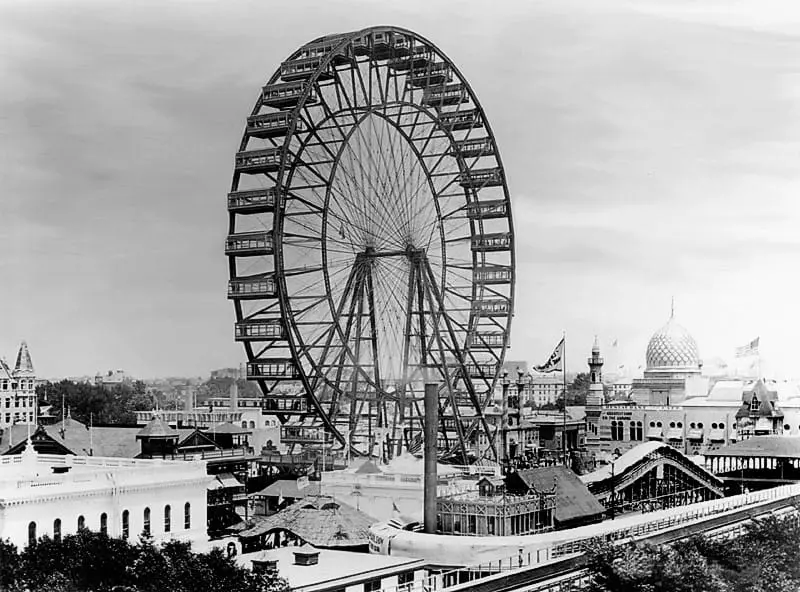
The original 1893 Chicago Ferris Wheel. Image by The New York Times photo archive, via their online store, Public Domain, Wikimedia Commons
They set the Ferris Wheel outside, and the construction was definitely generating interest to the whole exhibition since nobody had seen anything like that before. The Wheel had not been completed by the opening of the Exposition. Even so, the delay let the intrigue last for about 1.5 months more before the first visitors could try the attraction.
The Wheel included 36 cabins and had a total capacity of 2160 people at once. The cabins were like little houses which took you to the sky and allowed a bird-eye view from its windows. The more people were trying the wheel, the more popularity it was gaining, proving the construction was unique and safe.
The earnings from the attraction are claimed to have been $726,805, which is equivalent to almost $25.5 mln in 2025.
Popularity
The Tiffany Chapel looked rich and artistically breathtaking.
The Ferris Wheel was partly a marketing project from the very beginning and showed to be worth the efforts due to its novelty and inventiveness.
Both these parts of the World’s Fair 1893 are popular nowadays, although target different audiences. It has not always been like that.
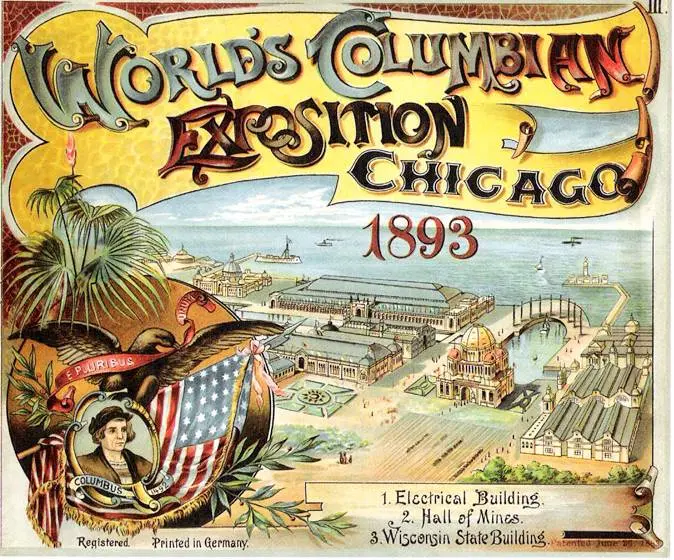
An advertisement for the World's Fair 1893. - Image by Wikimedia Commons, Public Domain
Chicago World’s Fair closed its doors and turned off the lights, and the question was, "What to do next with the exhibits?" Some were sold, some went to private collections, some were returned to the creators.
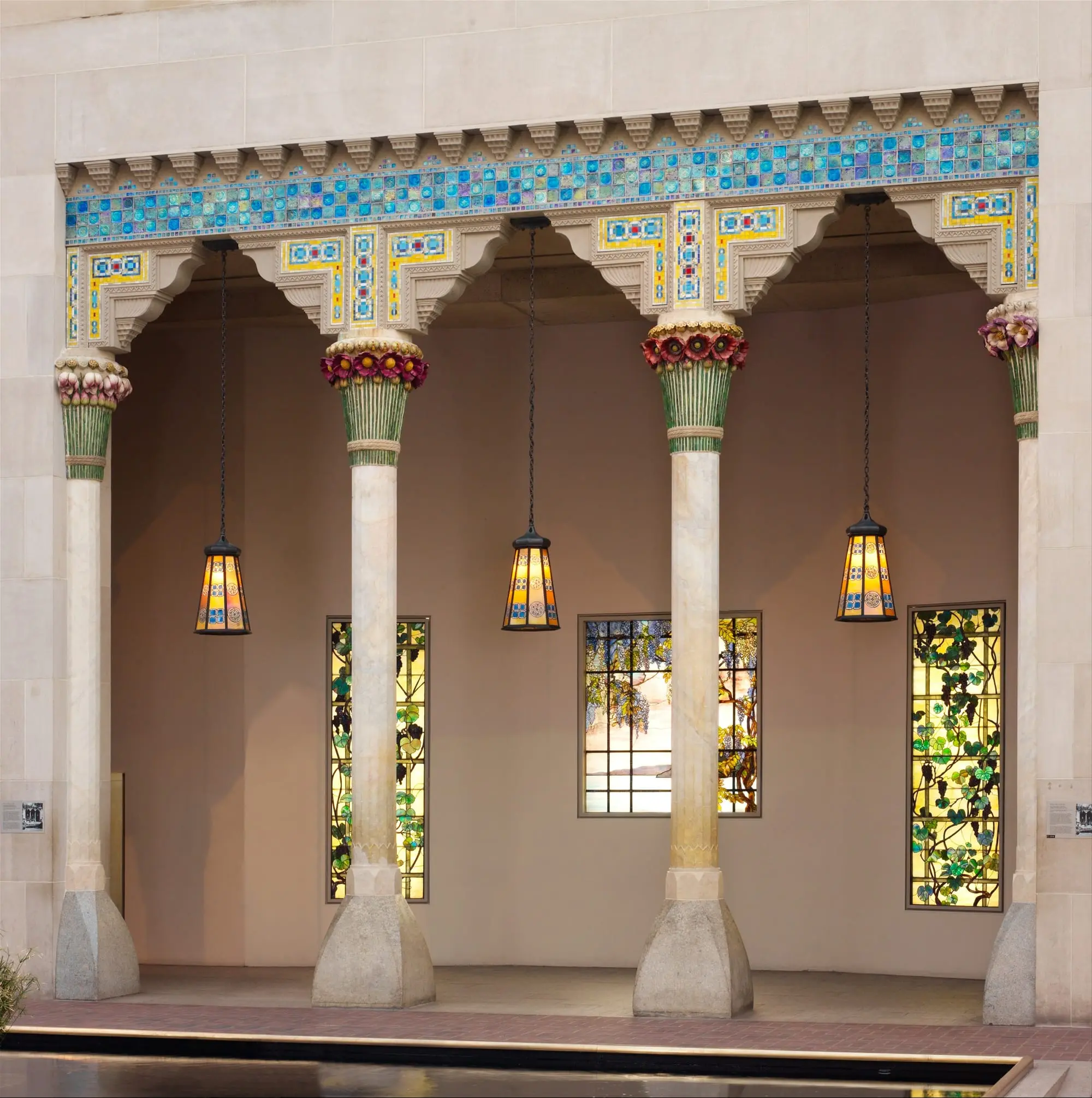
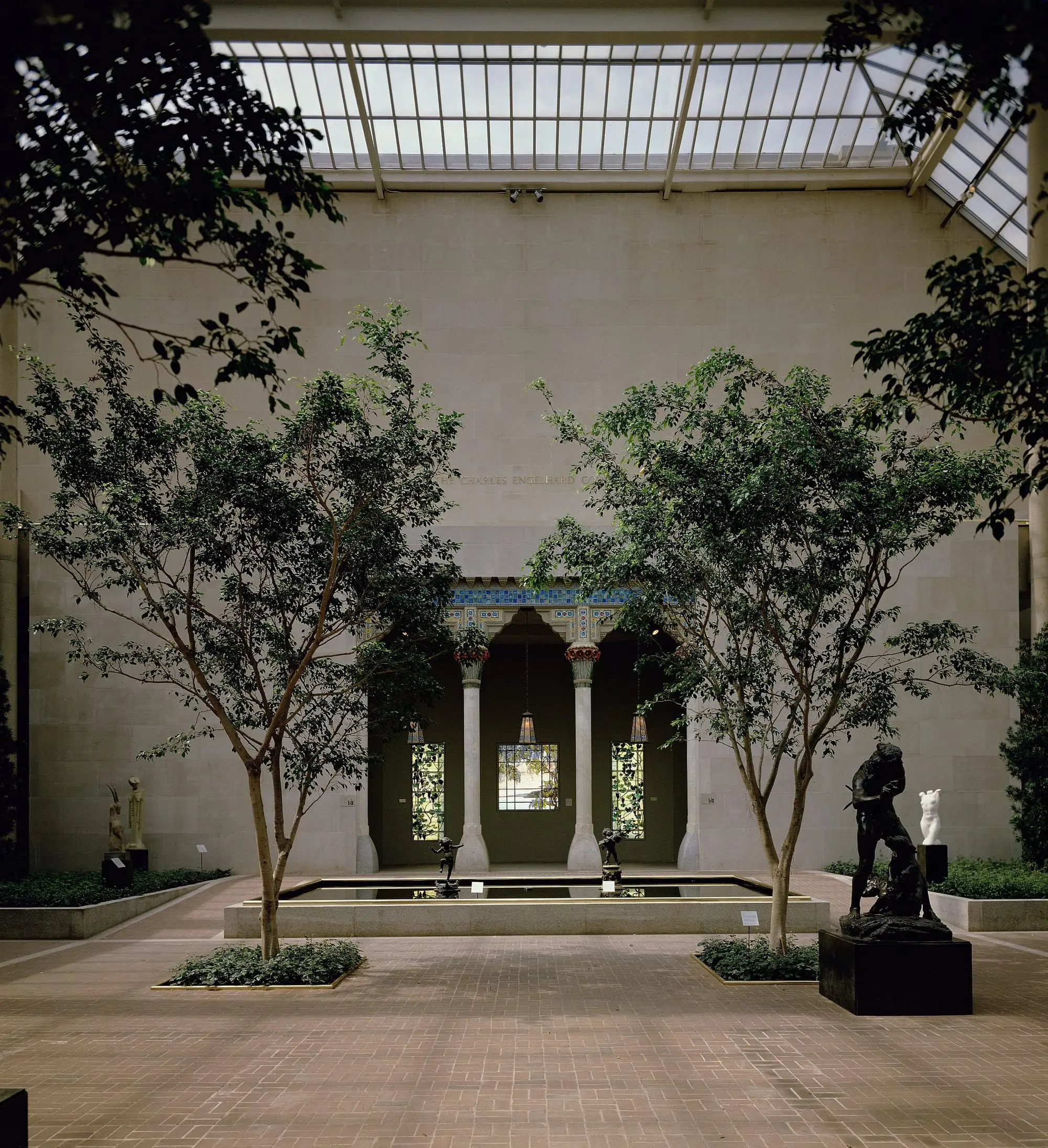
The Chapel was dismantled and had to be waiting for the next event in its life for the following five years. In 1898, it was purchased for the Cathedral of St. John the Divine in Manhattan started at the time. However, after 1911, the Chapel was abandoned and with no one else to take care of it, L.C. Tiffany transported it to his 84-room mansion (Laurelton Hall) in Long Island in New York. There it would survive a fire already after L.C. Tiffany’s death, be repaired and then moved to the Charles Hosmer Morse Museum of American Art to meet visitors again more than 80 years after the first public appearance.
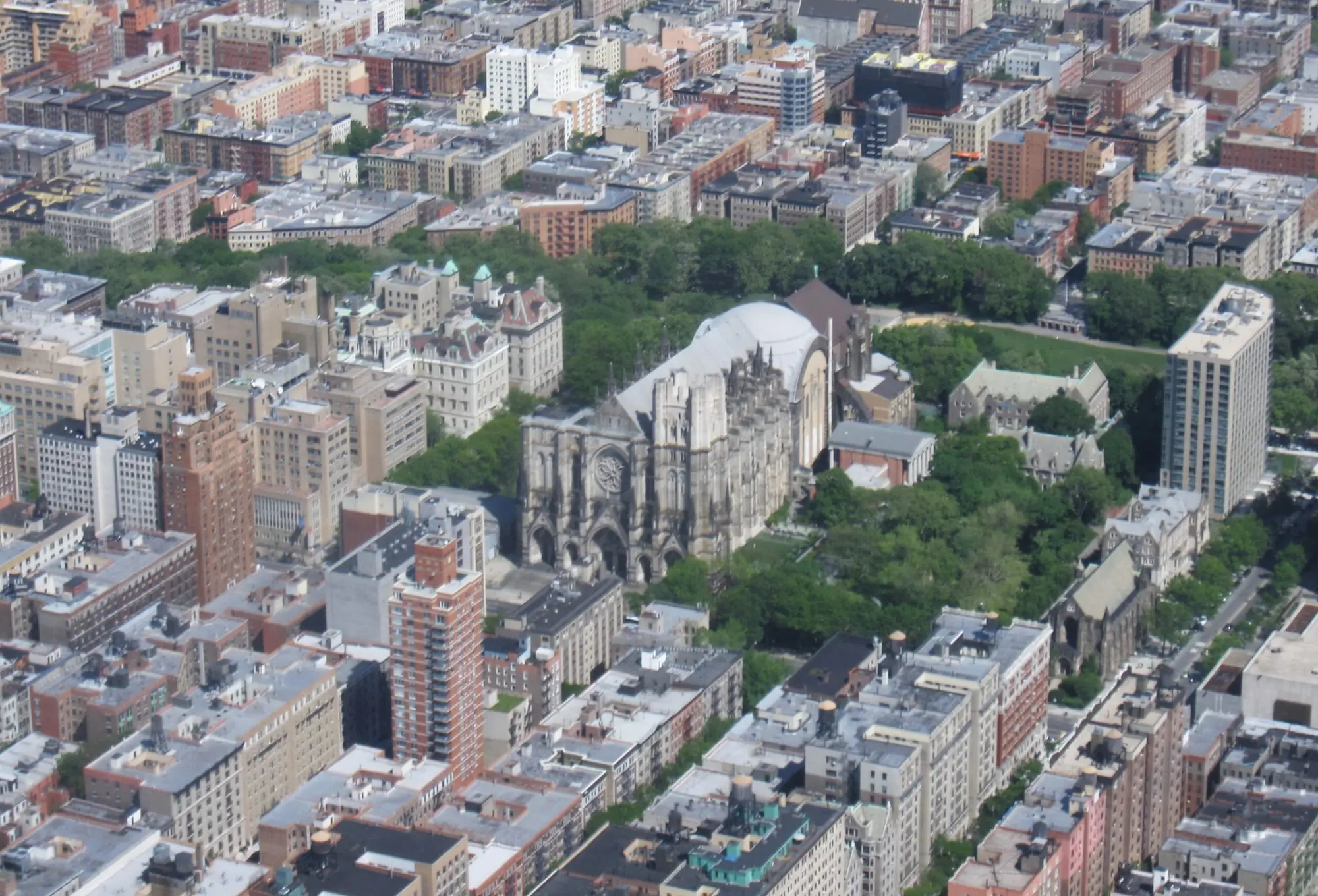
From left to right: 1 - The aerial view of the Cathedral of St. John the Divine, New York City. ©Image by Gryffindor - Own work, CC BY-SA 3.0, Wikimedia Commons
2, 3 - The Laurelton Hall. Images by Louis Comfort Tiffany - These files were donated to Wikimedia Commons as part of a project by the Metropolitan Museum of Art.
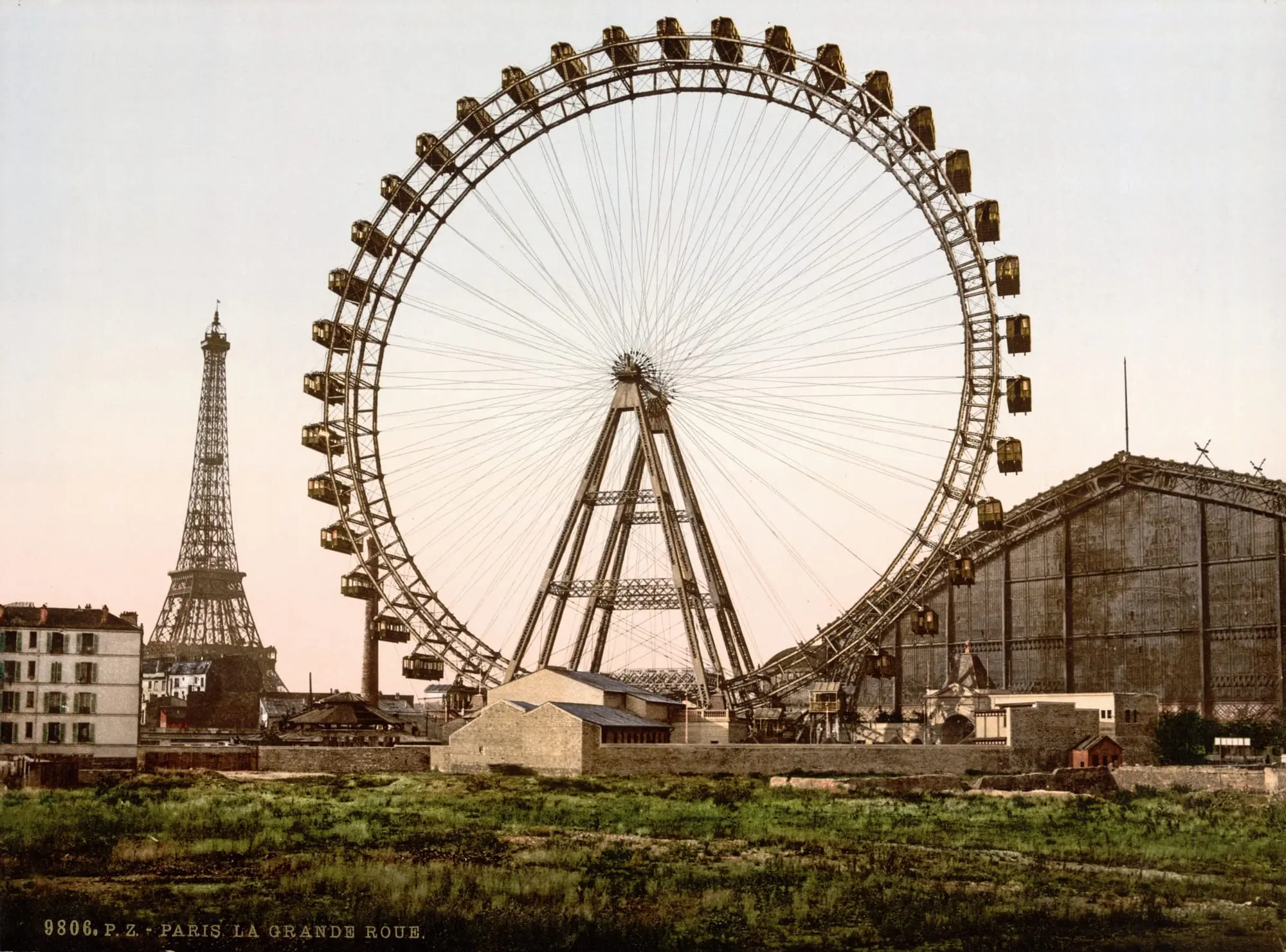
The Wheel’s fate was not less dramatic. It became the most popular attraction during the Exposition, the Lumiere Brothers shot a scene of it for their film, the Wheel was even transported to St. Louis for the next World Fair in 1904, but then it found no interest in purchasing. The "father" of the Wheel had already passed away, and the only solution was to demolish the wheel and repurpose the scrap. By that time, the Great Wheel was built in London (not to confuse with the London Eye completed in 1999) and the Grande Roue found its place in Paris, the city which indirectly inspired the whole idea of the Ferris Wheel.
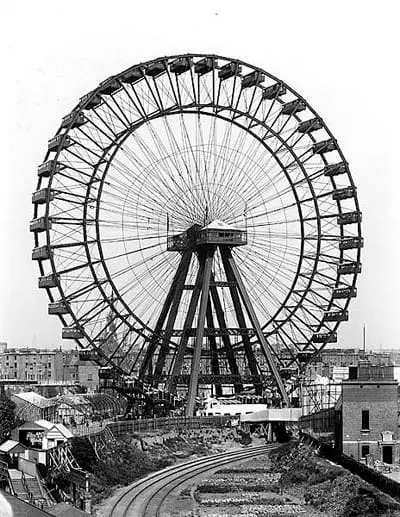
From left to right: 1 - The Great Wheel in London, used to locate between the West Kensington and West Brompton subway stations. Image by User:RepliCarter, Public Domain, Wikimedia Commons
2 - The Grande Roue de Paris. The image is available from the United States Library of Congress's Prints and Photographs divisionunder the digital ID cph.3g10699, Public Domain, Wikimedia Commons
Tiffany’s glassworks are now expensive collectibles, and Ferris wheels make part of thousands of amusement parks in the world.
They are different and each has its own beaty to show, while their authors have something in common: once they were brave enough to make their works speak loud from the world’s biggest scene, and without actually knowing it, they were sharing the scene for months.