
How to be a good younger brother for the only elder sister?
We have posed the question to the "all-knowing experts" of nowadays – ChatGPT, Gemini, Llama – and their common advice is to be supportive and helpful, respect her space and show appreciation, and don't forget to have fun together.
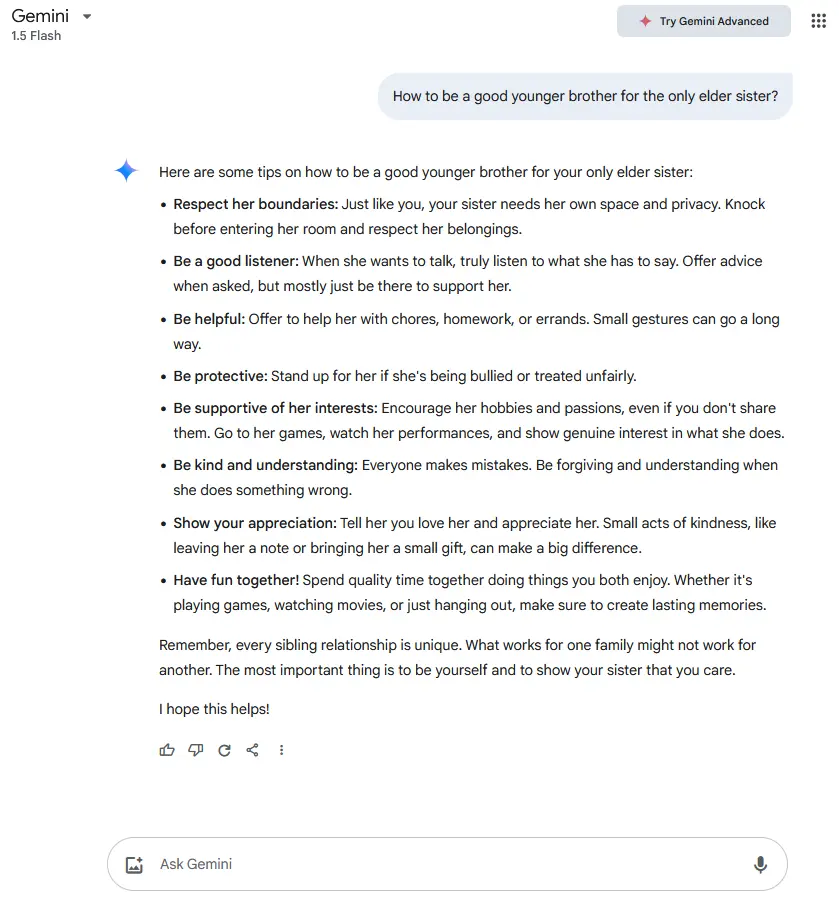
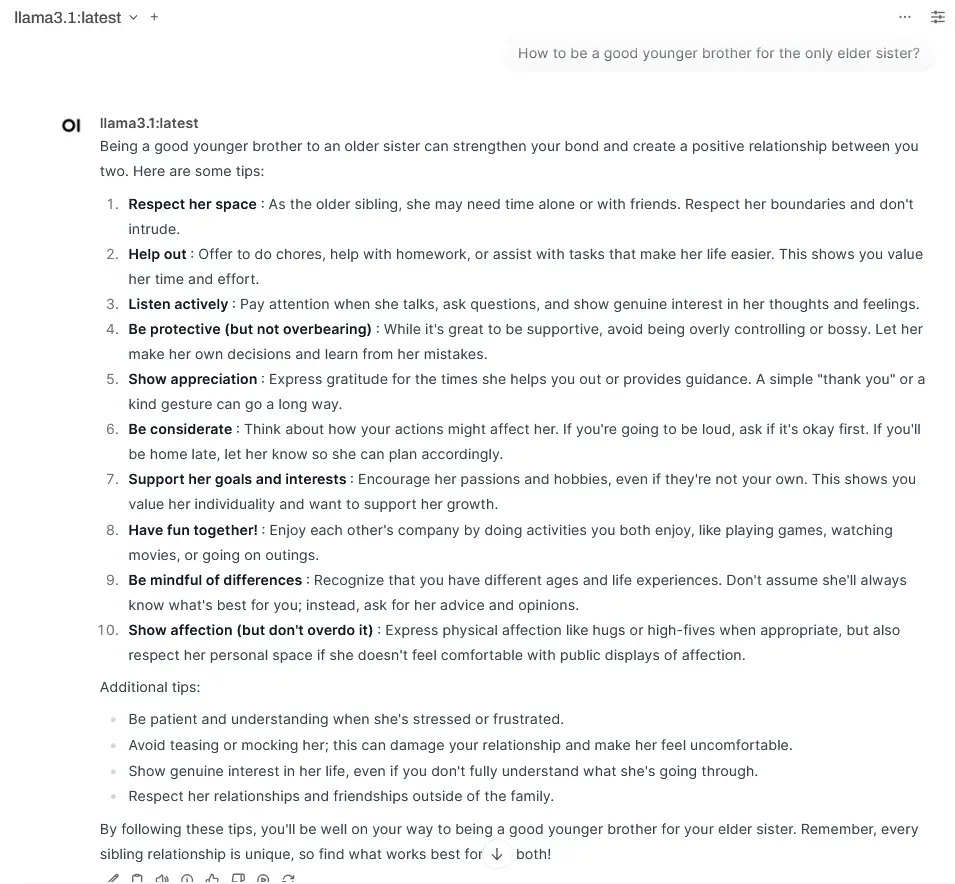
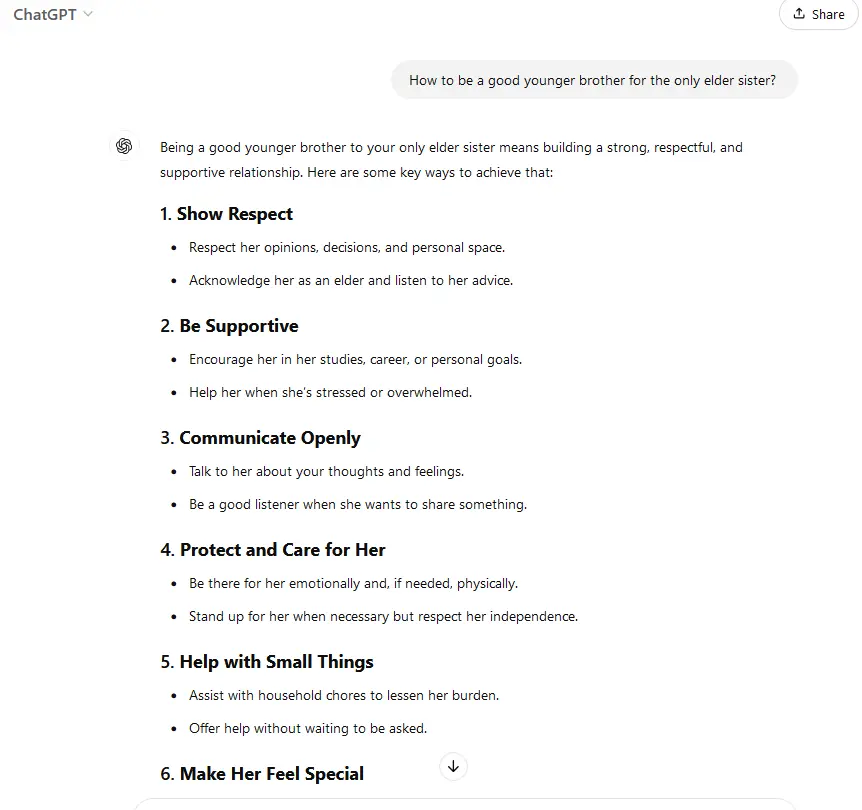
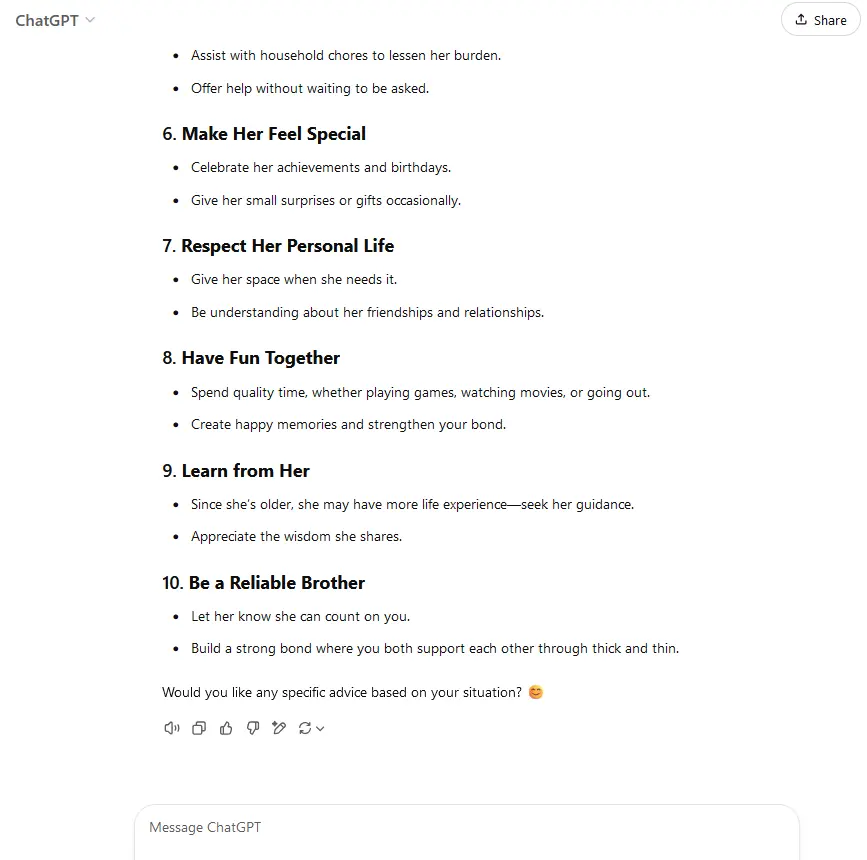
Outputs by ChatGPT, Gemini, Llama from 2025-02-02
Felix was the first sibling his elder sister Fanny got to know. They met when she was three and a half years old. She was the eldest among them four, he was the second eldest, and it’s probably they two who had the strongest connection between a sister and a brother in their family.
The Mendelssohn siblings were building their relationship about 200 years ago and managed to do it well. So, what could Felix, the younger brother, tell us from his experience?
Felix would approve
Making her a role model
They both were born in Hamburg and moved to Berlin when Felix turned two. That’s where they started their musical education before coming to Paris. Many years later, their father would admit that he didn’t initially think about setting the boy on a professional musician’s career path but the child appeared too enthusiastic. The man seemed to have no idea that his son was unlikely to feel so dedicated to music if not for Fanny who was often playing the piano with the mother. Learning often starts with copying, and that’s exactly what happened to Felix when he was listening to the ladies playing. Even for his later works, Felix would always seek his elder sister’s opinion before publishing a piece.
Being partners
Fanny was about 14 when it became absolutely clear that social prejudices would not allow her to become an individually recognised composer or player, however talented she was. It was not voiced out yet but the siblings felt it for the first time from their aunt’s presents: Felix received some appliances to write his first opera while Fanny got a piece of jewellery.
The father was tolerating rather than supporting Fanny’s diligence in playing, so the brother and the sister decided to collaborate. They played each other’s compositions at their home concerts (salons), they worked together on opera scenarios, and they both signed their works "F. Mendelssohn" – despite Fanny didn’t often play publicly, it was a good way to make her music sound and be heard.
The story with the signature once took an unexpected turn, though. Felix was in his 30s when he played for Queen Victoria in her London residence. The Queen adored the concert and at some point, the composer noticed her singing Italien , the song Her Majesty described as her favourite among his works. Felix thought it was unfair to continue keeping it a secret, so he unveiled the name of the real author who was his dear Fanny Mendelssohn.
Appreciating honesty
They were of Jewish origin and grew up with their national values. Felix was seven when, according to his father, it was suddenly time to hide their family roots. The children were privately baptised as Christians and the whole family had to add an awful (how they view it) "Bartholdy" as their second surname. The father also insisted on skipping "Mendelssohn" but the children opposed. As a result, Felix’s visiting cards said "Felix Mendelssohn Bartholdy" while Fanny explicitly wrote in her letters how she disliked that new family name.
The two, of course, discussed if Fanny should publish her works. She deserved to be known and Felix wanted to support her, but he was also concerned about her being able to combine the family duties and the world of famous musicians. She didn’t want to upset the brother and still was ambitious enough to try to step into the area. Thus, in one of the letters to her brother, feeling like a little girl, Fanny shared the plans:
"… since I know from the start that you won't like it, it's a bit awkward to get under way. So laugh at me or not, as you wish: I'm afraid of my brothers at age 40, as I was of Father at age 14 — or, more aptly expressed, desirous of pleasing you and everyone I've loved throughout my life. And when I now know in advance that it won't be the case, I thus feel RATHER uncomfortable. In a word, I'm beginning to publish."
The brother’s answer was very straightforward,
…may you have much happiness in giving pleasure to others; may you taste only the sweets and none of the bitterness of authorship; may the public pelt you with roses, and never with sand.
Felix would never recommend
Felix was 20 or so when through his interest in classical literature and philosophy he translated an antique Roman comedy and it helped him to become a student of the University of Berlin. There were lectures in history and geography coming and the young man was also preparing for his first trip to England when his dear Fanny announced that she was getting married. They agreed that Felix would write music for the ceremony but, shame on him, he failed. Fanny had to do it herself the night before wedding.
Ironically, the "Wedding March" which is a part of the A Midsummer Night's Dream play would become Felix Mendelssohn’s best-known work, though he wrote it almost 13 years after his sister’s wedding.
Nobody knows how deep the offend was (and if there was any), but Fanny was certainly one of the kindest women Felix knew. When the following year her husband and she had their first child, Fanny named him after her favourite composers, Sebastian Ludwig Felix – Sebastian for Bach, Ludwig for Beethoven, and Felix for Mendelssohn.
The siblings literally couldn’t live without each other’s support and left the world the same year, with a difference of less than six months. It’s impossible to say what their lives and careers would be like if not for the mutual respect and appreciation they expressed, but aside from their professional achievements, it’s probably the skill of lending a shoulder we can definitely learn from the two F.Mendelssohns.
Did you know that…?
- Felix’s younger sister Rebecka was also a skilled musician and took part in their salons but saw herself in a shadow of her older siblings,
"In any other family I would have been highly regarded as a musician and perhaps been leader of a group. Next to Felix and Fanny, I could not aspire to any recognition."
- Mendelssohn’s "Wedding March" gained its popularity more than 15 years after it had been written due to Queen Victoria and Prince Albert’s daughter who chose it for her wedding ceremony.
- Felix Mendelssohn was also a skilled painter. Below are some of his landscapes.

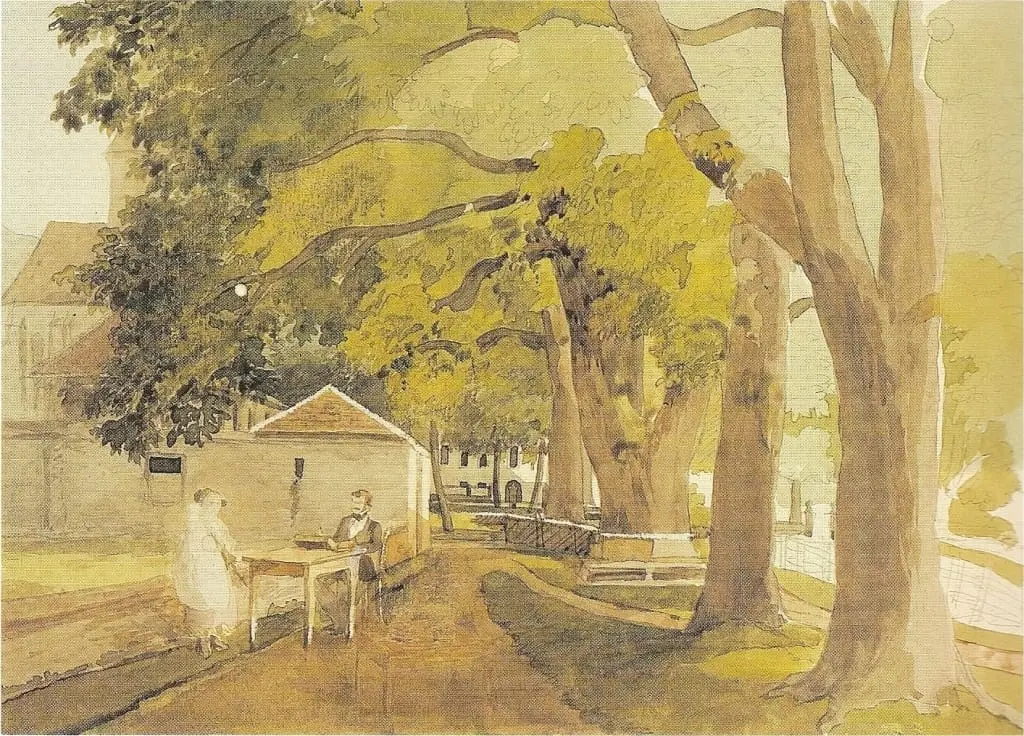

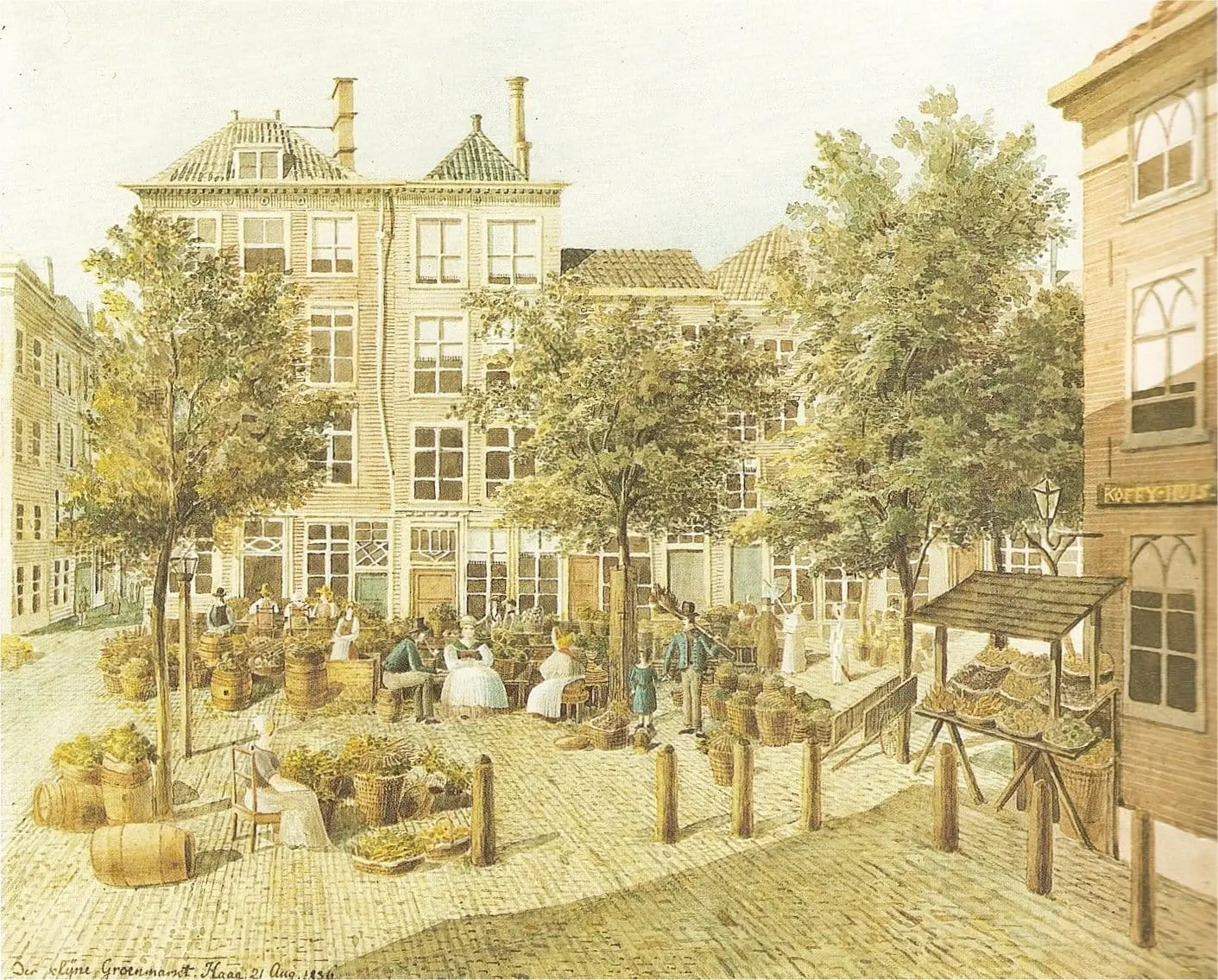
Watecolors by Felix Mendelssohn from 1830-1847 (clockwise, from top left): (1) View at Lucerne (1847); (2), Picture from Interlaken unfinished (1847); (3) Der klyne Groenmarkt (1836); (4) View of Florence (1830)


