
(Reverse) culture shock: any treatment?
What is culture shock?
If you have moved or travelled abroad for more than a week, think about what your feelings were like at arrival. What about a month later? A couple of months? A year? You probably went through waves of enjoyment and irritation, and you were not the only one to experience that!
How frequent is culture shock?
It’s common for all travellers who enter a country and its culture for the first time. However, the amount of time one aims to spend in the new surroundings can impact the ultimate reaction and feelings.
What causes culture shock?
It is mainly lack of knowledge about the style of life of a host country BEFORE arriving there.
There are plenty of areas in which cultures differ while the most common triggers of cultural shock include, among other things, language barrier, differences in everyday life (e.g., food habits, accepted working hours, dating traditions, etc.), legal norms and laws. Imagine you have to deal with all these during the first day or two having no access to people, objects or activities you are used to at home. It wouldn’t be long before information overload (a big friend of culture shock) takes place.
What happened to Sir Charles Chaplin?
If start counting from Charlie’s involvement to the dance troupe, it was his tenth year on stage when the young gentleman who could steal any show was invited to join the troupe for a tour to the United States. An Englishman, he had already toured around Great Britain and Ireland as a dancer and a circus performer and was known as a “rising star” among theatre actors in London. Ambitious and curious enough, Charles agreed. The 21-year-old Charles Chaplin did not see any problems:
- it's a long business trip rather than a touristic journey ☞ he will not have much time to interact with locals or entertain himself
- the main working language is still English ☞ no language barrier (British/American peculiarities were not taken seriously)
- he goes there to work and earn money ☞ he was not looking for a new job at the moment, so integration to the local culture was not part of the nearest future
- he is part of a group ☞ there will always be somebody to speak to, ask for advice, learn from, etc.
Nobody knew culture shock was a concept (even though many faced it at the gate of their new life). From the very arrival, Charlie kept himself busy and had little to complain about, so he skipped (or rather did not notice) the pitfalls.
Reverse culture shock?
Surprisingly, the problems found the actor when, almost two years later, he came back home to London. Life there seemed depressing, boring, confusing to the extent that he did not want to stay there anymore. In addition, there were personal reasons: there were no close people who would wait for him at home. Chaplin's “golden time” had ended for an uncertain period and the nearest future looked vague.
Te actor was probably trapped into a “reverse culture shock”, the difficulty to return home when one is already accustomed to a different culture.
How to deal with it? Well, in about four months Sir Charles Chaplin found himself in the second tour to the United States of America…
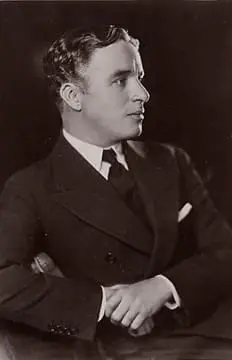

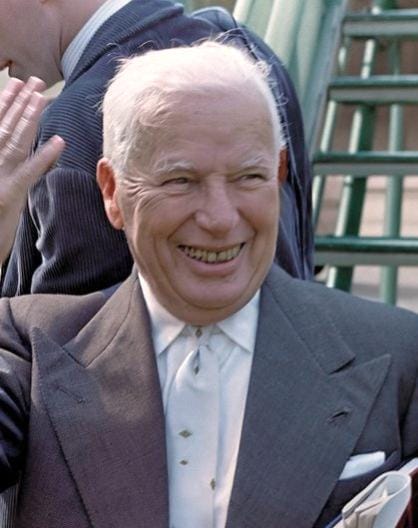
Charlie Chaplin at different age periods. The images are edited from those in the public domain or under the Creative Commons CC0 1.0 (photos 1, 2, 3).
