
Who were influencers, followers, friends and haters in the 19th century?
August Strindberg is known as the "father" of modern Swedish literature. When do you think he was born? More than 175 years ago.
How long ago do you think the first social media platforms were released? Less than 35 years ago, and we are not speaking about Facebook, YouTube, Instagram or TikTok yet.
Naturally, Strindberg was never part of a social media but it does not mean there were no role models, supporters, or rivals in his times. So, what was social interaction like for a Swede, Alfred Nobel’s contemporary, whose adulthood started at the same time when technological modernism and social transformations were coming to the country?
Thought leaders and lifestyle influencers
August Strindberg was an independent thinker already in his teenage years. Nevertheless, the first trials to find his place as a student, or as a writer, or as a common citizen failed and made the young man feel lost and unstable. Ambitious but unknown, August Strindberg had no other source of support or expertise than reading. The choice was on philosophers, critics, scholars, novelists and playwriters.
Strindberg could not yet fully understand (and he would recognise it many years later) the ideas he came across in the books but he liked the process of search and the forms of writing he was able to discover. His take-aways, among others, included:
- Writing should not serve purely aesthetic purposes, it should be provocative enough and lead to a discussion. – Based on Søren Kierkegaard’s works
- It is important to learn to observe, understand and find harmony with nature. This or another way, writing should also involve nature-inspired or naturalistic scenes. – In line with Jean-Jacques Rousseau’s philosophy
At the times when letters were the main mean of communication on distance, August Strindberg established contact with the Brandes brothers , Danish literary critics. Strindberg supported their progressive ideas and as a writer, he decided to follow the principles they introduced to Scandinavian literature – that's how new realism and naturalism appeared in Strindberg's works. It was Georg Brandes who put Strindberg in contact with Friedrich Nietzsche. The two had similar views at the time, so the correspondence they were exchanging was of great pleasure and importance for both.
From the literary perspective, Strindberg was greatly influenced by William Shakespeare and Emile Zola. The English writer mainly made an impact on Strindberg’s works in terms of genre and vocabulary, while the French novelist became a hero as a personality and as a professional.
Friends and supporters
August Strindberg’s complex and somewhat controversial nature made it difficult for him to maintain lifetime relations. Interested in theatre and painting, he stayed in touch with professional actors and artists with whom they could have meaningful discussions on each other’s views and works. Among Strindberg’s friends there were:
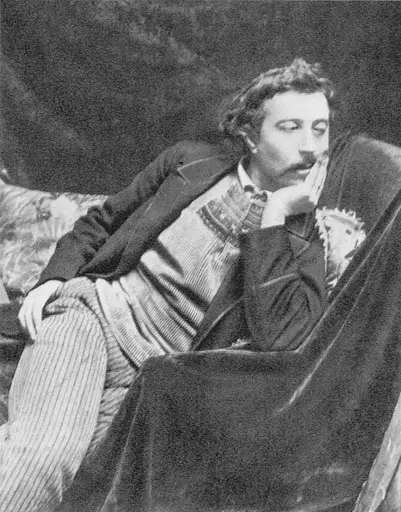
Paul Gauguin
A French painter who was one year older than Strindberg. Strindberg did not understand his post-impressionism works at first glance and sincerely described his confusion in the letters to Gauguin.
Image: Public Domain, Wikimedia Commons
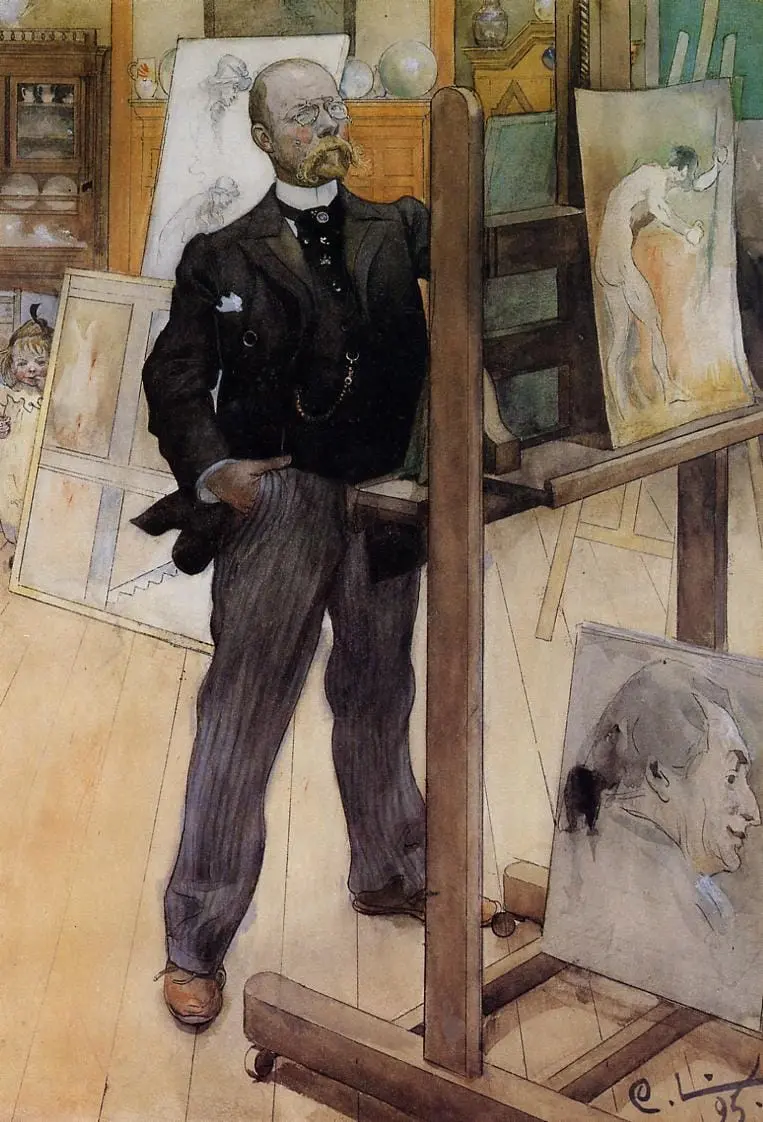
Carl Larsson
The Swedish painter whose devotion to Strindberg would change for a strong hostility after about 30 years. Strindberg thought of him as of a talented artist, Larsson even illustrated one of Strindberg's works, but the two could never agree on their political or social views.
Image: Public Domain, Wikimedia Commons
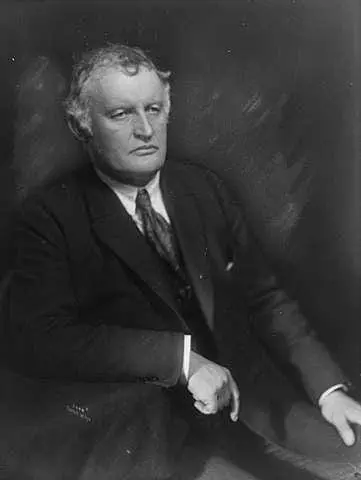
Edvard Munch
The Norwegian painter with whom Strindberg had common ideas and plans. The painter even presented the writer with his styled portrait, but Strindberg liked neither the style nor the fact that there was a missing letter in his surname. The portrait was re-painted but the offense lived.
Image: Public Domain, Wikimedia Commons
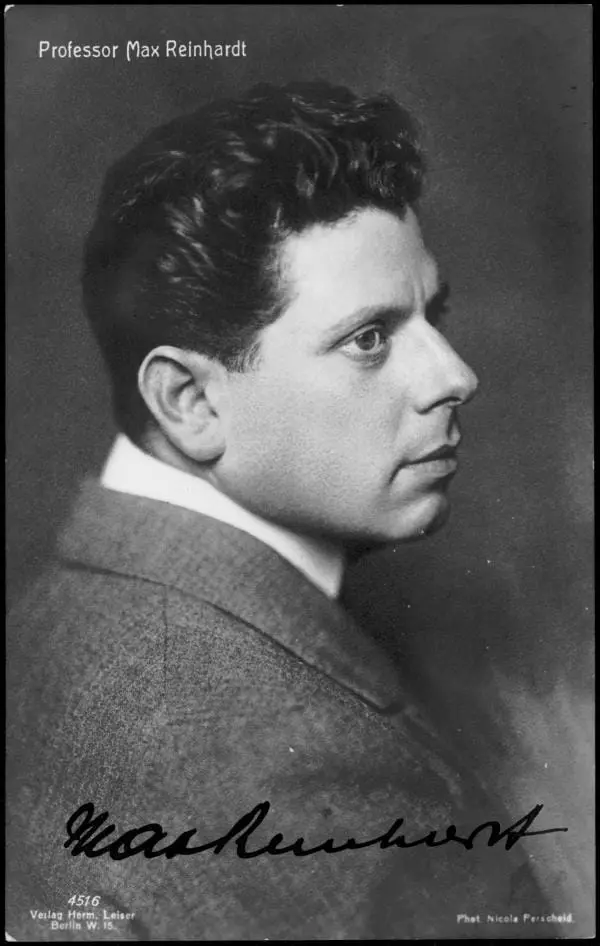
Max Reinhardt
The Austrian theatre director who appreciated Strindberg’s chamber plays and kept them part of the programme despite being criticised. Strindberg then created his own theatre and followed Reinhardt’s approach to the scenic interpretation of his own plays.
Image: Public Domain, Wikimedia Commons
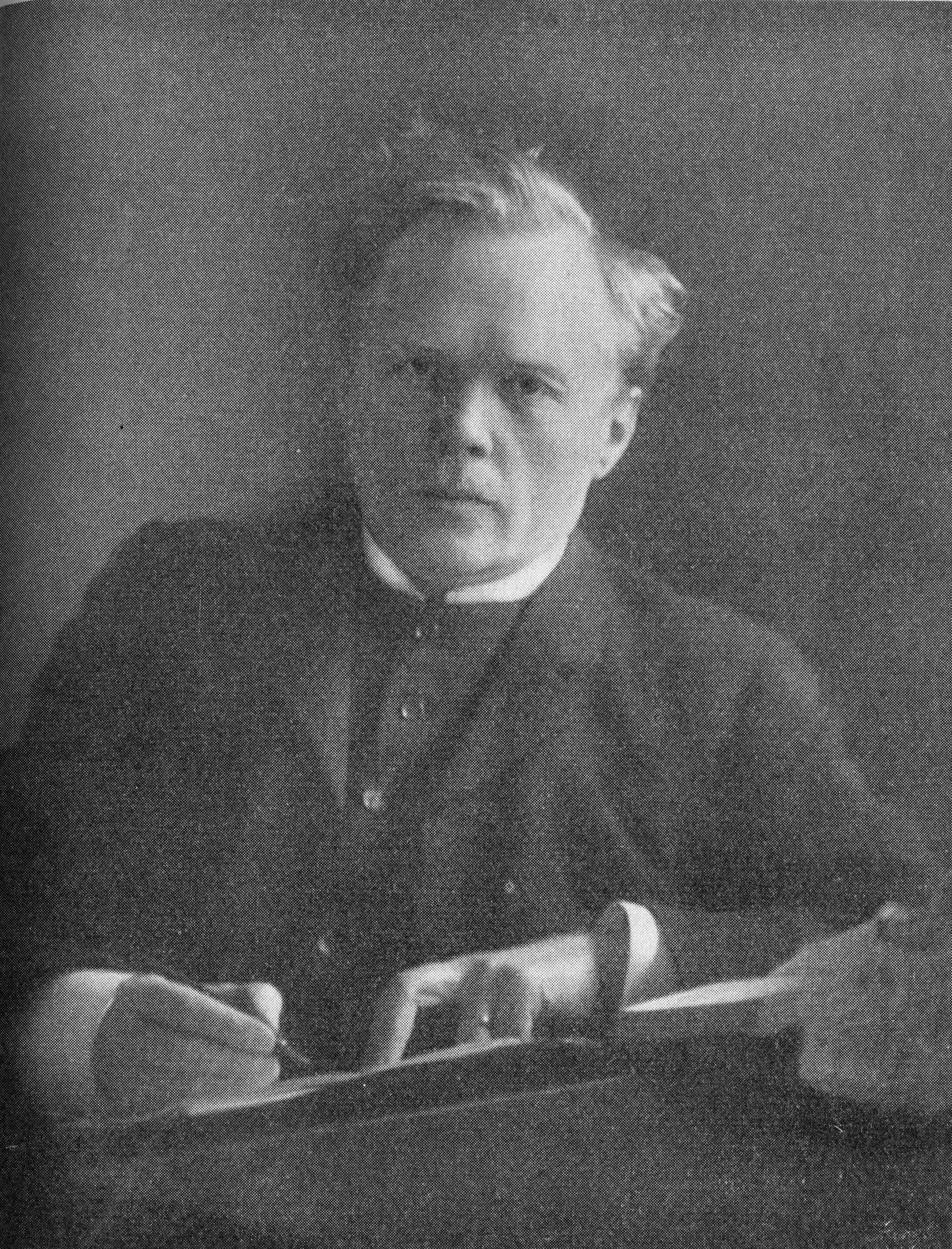
Nathan Söderblom
A Swedish bishop, known, among other things, for donations. It was he who supported Strindberg psychologically and financially, and it was he who conducted the service when Strindberg had breathed his last.
Image: Public Domain, Wikimedia Commons
Friend suggestions
They lived at the same time, often had common interests or shared professional fields, knew about each other but were never connected or directly involved in each other’s lives. There were various grounds for why they could be friends and various reasons which did not allow such friendship.
Two leading playwriters of Sweden and Norway, August Strindberg and Henrik Ibsen respectively, were often compared as representatives of the same literary epoch. But Strindberg disliked his older colleague’s understanding of Naturalism and viewed him as a competitor.
The largest debate in Swedish culture took place between August Strindberg and Verner von Heidenstam as a representative of the 1890s in Swedish literature. The polemics started with Strindberg’s critics towards the king and expanded to the Swedish Academy and certain writers, including von Heidenstam as one of the rivals. Well, winning media attention by becoming a scandal doesn’t seem to be that new.🙃
The only thing Selma Lagerlöf and Sofya Kovalevskaya had in common was their gender. Oh, and they both were younger than Strindberg. They were the first women recognised, respectively, in literature and mathematics both in Sweden and worldwide, though a lot of men of those times, including August Strindberg, could not accept it.
Followers
Despite his conflictive nature, August Strindberg was followed by others either as a personality or as a talented writer. His three wives – Siri von Essen , Frida Uhl and Harriet Bosse – followed him for trips, collaborated for theatre performances, and helped with theatre management. But all wanted their own career and fame too, which was never supported by Strindberg and led to three divorces.
As a representative of literature, Strindberg was well accepted by Danish communities at the start of his career. For Eugene O'Neill , he became a contemporary influencer who helped to form the author's worldview and style. Interestingly, though, many of those who recognised and appreciated Strindberg’s impact (e.g., Edward Albee , John Osborne , Tennessee Wiliams , Jorge Luis Borges , Ingmar Bergman) had only known him as a historical figure and lived already in a different epoch, both culturally and socially.