
Job-hunting: when nothing worked as planned
What image arises in your mind when you think about Albert Einstein? Is he a white-haired old scientist with sad eyes deep in his thoughts? Or is he a joyful senior man with his tongue stuck out? Does he have a smoking pipe in his mouth or a violin in his hands?
The image of Einstein is now absolutely iconic (and he deserves it!), but let’s think about the times when he was a fresh graduate with no job, no money. He had nothing extraordinary to boast of and make a potential employer curious about.
Albert was 21, and his CV would basically include the following:
- the son of German parents
- moved to Switzerland at the age of 16, currently based in Zurich
- graduated from Zurich University (ETH Zurich), Diploma in Mathematics and Physics
- preferred vacancies: professor’s assistant or similar, academia-related, permanent employment
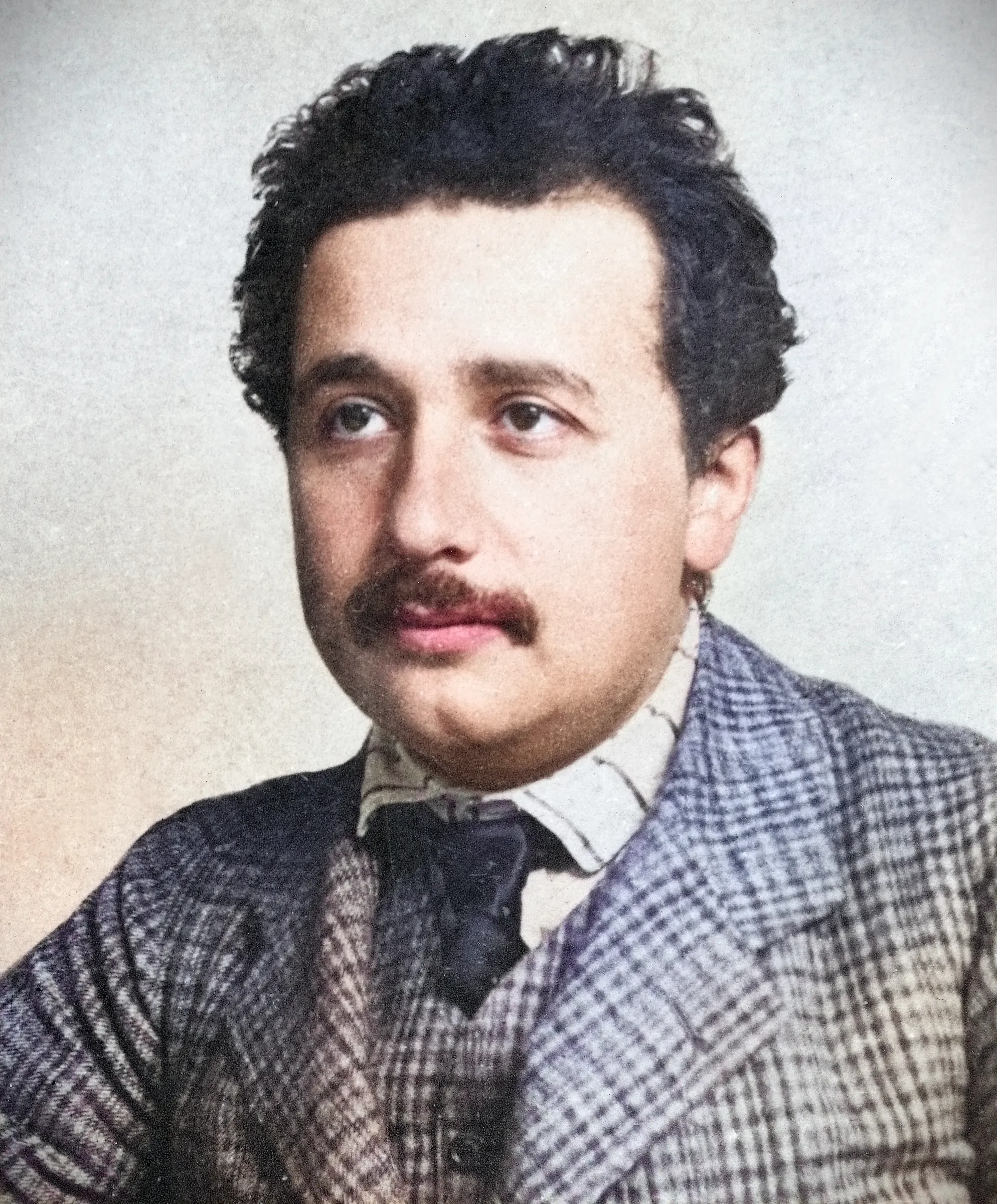
Albert Einstein in 1904 or 1905. Image: Wikimedia Commons (edited by AlsoMatters)

Einstein’s fellow students were accepted as assistants to their former professors right after graduation. Einstein was ignored as a candidate for
- his grades were slightly lower than those of his friends;
- his relationships with the professors at Zurich University were way colder (and this was even more important).
Trying to increase his chances while job-hunting, Einstein published a research paper and was spreading a word about it in his letters to professors outside ETH Zurich. He reached those from Groningen and Leiden (the Netherlands), Stuttgart, Leipzig, Berlin (Germany), Milan (Italy), but almost never did he get a reply. Not a one of the answers was promising in terms of a position. (A few years later, though, one of these professors Einstein contacted during this period of his life would nominate him for a Nobel Prize in Physics for the first time).
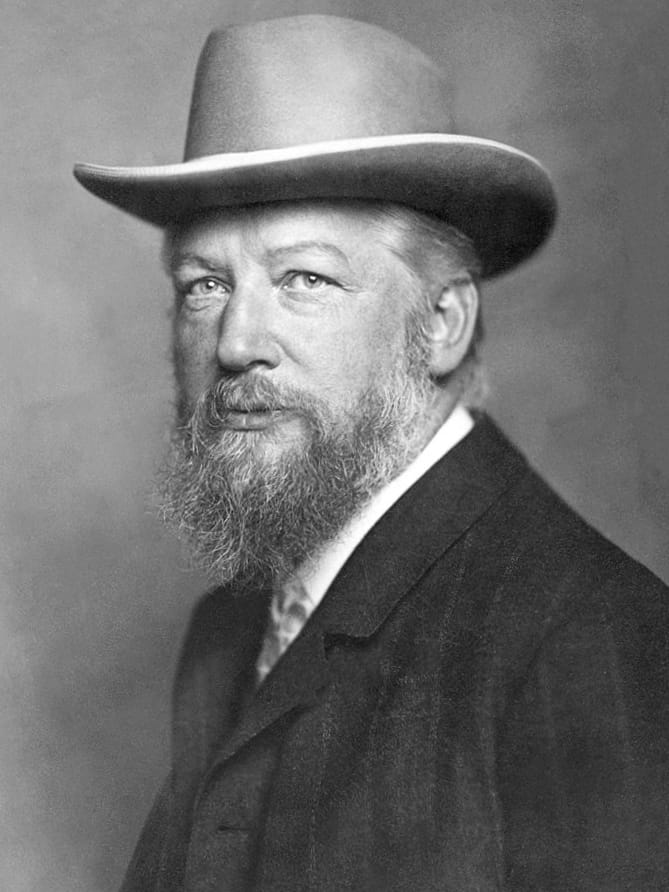
Wilhelm Ostwald, the professor who would nominate A.Einstein for the Nobel Prize in 1910 and 1913. Image: Public Domain, Wikimedia Commons

It's already a year after graduation, and the only job Einstein managed to receive was to substitute a school teacher in the city of Winterthur, close to Zurich. The employment would last for two months.
Albert enjoyed teaching as such while was not very happy about the outdated approaches most of his colleagues used. He sent two more applications for teaching positions at schools. One of those he was rejected for lack of skills, the other one was taken by Einstein’s university friend.
No, Albert wasn’t angry or jealous about it. He even wrote a congratulatory letter where he explained that he "had only applied to make sure he’d done everything he could for the moment and had not had real hopes for the position."
By September 1901, Einstein had finally found at least some kind of employment. He was going to prepare a young man for his high-school exams in mathematics. The school was in the town of Schaffhausen, 30 km to the north from Winterthur, so Einstein had to move once again. The payment was not very generous, but Albert was pretty satisfied with the conditions – with his only student, he would still have plenty of time to continue working on his doctoral thesis.
Right, Albert Einstein was working on his dissertation while searching for permanent employment and waiting for a decision on his Swiss citizenship application. What a man!
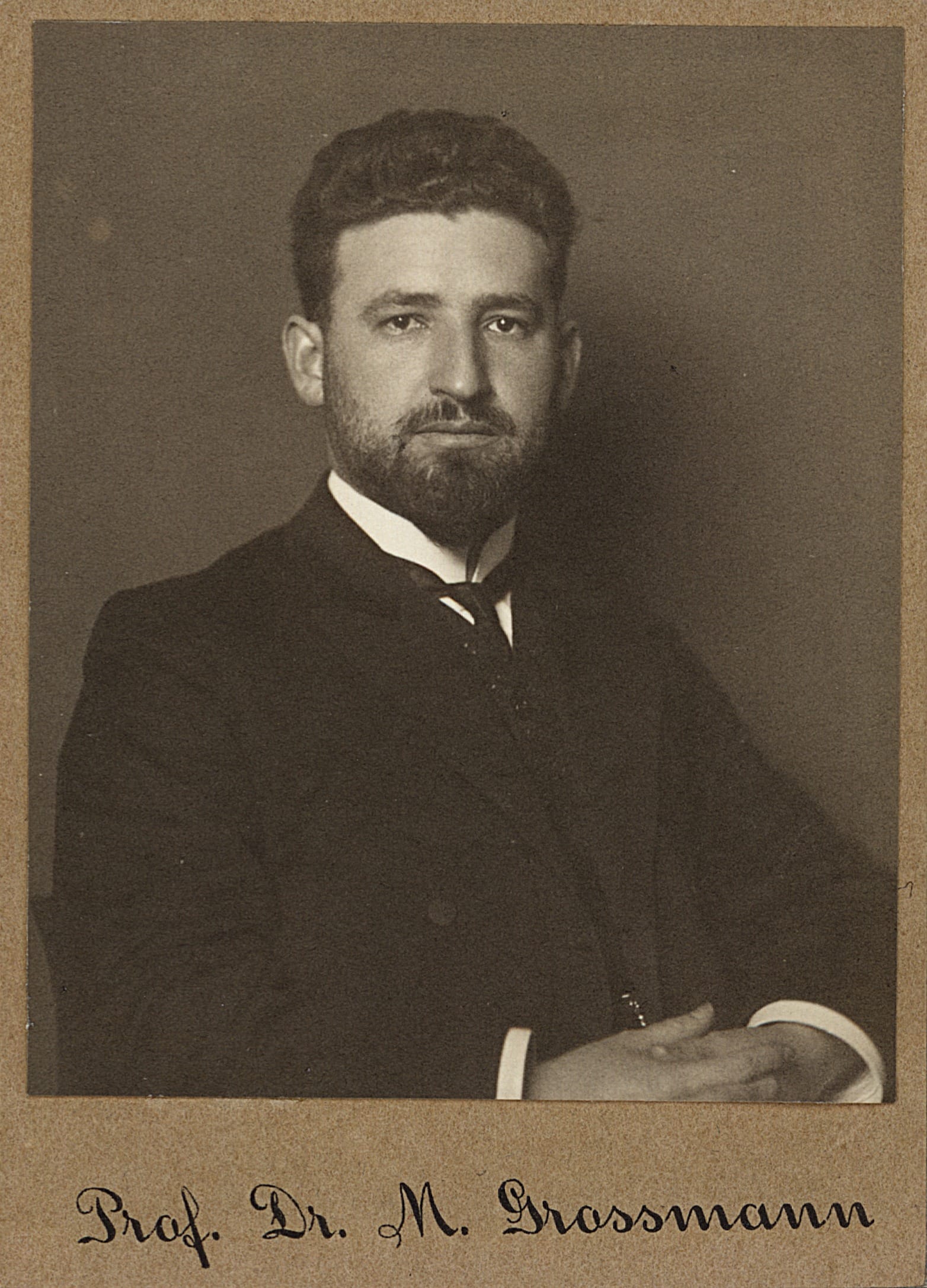
Marcel Grossmann, A. Einstein's fellow student and friend. Image: Public Domain, Wikimedia Commons
-Portrait-Portr_01239.tif_(cropped).jpg#/media/File:ETH-BIB-Grossmann,_Marcel_(1878-1936)-Portrait-Portr_01239.jpg)
Now, remember that guy who took the position Einstein had also applied for? He was Marcel Grossmann, later a prominent professor of geometry at ETH Zurich. Marcel strongly believed in his former classmate and was sorry to see his friend being constantly rejected. He shared Albert’s story with his parents, and his father, then the owner of a textile factory, recommended Einstein to one of his friends, Friedrich Heller. Heller was then the director of Federal Patent Office in Switzerland.
If you feel the story sounds like a miracle or a so long-awaited relief, keep calm:
from the time Heller had first heard about Einstein to the moment they announced a suitable vacancy, eight months passed.
Deeply grateful to Marcel for his involvement, Einstein applied for the position, waited for a response for another two months and almost lost hope again. He even gave a private advertisement as a maths and physics teacher. A month before that he had become father for the first time, so there was no unwanted money.
In June 1902, half a year after the application, Albert Einstein finally was approved as a technical expert in the Patent Office. All in all, it took him two years to find a permanent full-time job. The Office was in Bern. Einstein would move again (and oh, how far it was from the last time changing cities!) and spend there 7 years, critically examining the latest inventions.
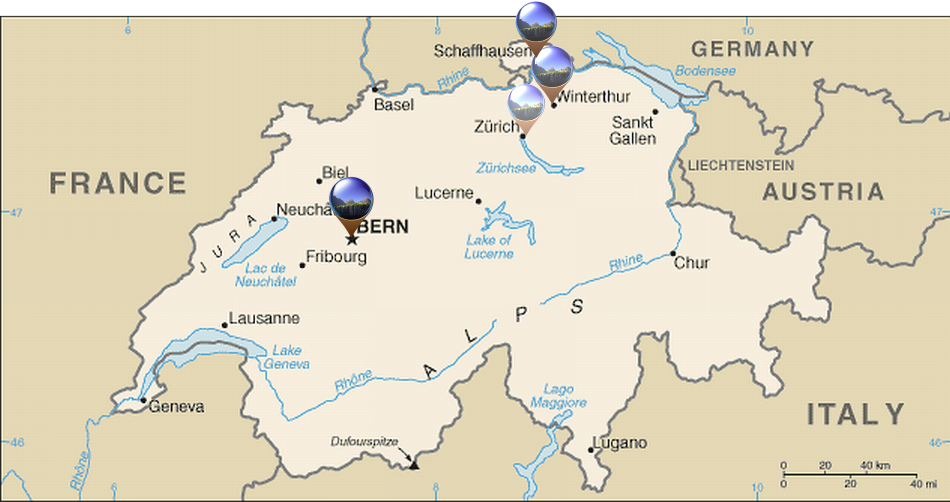
Map of Switzerland. The cities where A. Einstein used to reside between 1896 and 1909 are marked with a pin. Image: AlsoMatters
If not for Grossmann, Einstein would have never even checked the Patent Office for vacancies – he was extremely focused on academia and teaching. Together with that, he would admit later that it was there, in that Office, he could really see what was going on outside the academia and came up with his own world-changing ideas.